António Areal
(1934 - 1978)
António Areal
Scroll down
António Santiago Areal e Silva was born in Porto on 8 June 1934.
Part of the energy and the nonconformity that characterise his behaviour derive from his struggle against a heart condition that marked him from childhood and that imposed restrictions on his physical and working capacities.
He moved permanently to Lisbon with his family in 1951. Because of his health problems he never completed his secondary education, nor did he undertake any specific specialised training. His literary interests were essentially poetic and philosophical.
In 1952 he declared that he would devote himself exclusively to artistic creation, but it was only after 1954 that he took part in his first group exhibitions.
This was a period in which his activity was essentially in the field of drawing and under the formal and thematic influence of Surrealism. The crossing of the literary and the visual produced, in a first period, a number of book illustrations and his first artistic "manifestos", in which the intransigence of his character was already defined, along with his obsession with avant-garde rupture and with the understanding of artistic creation as an ethics.
The excellence of his technique as a draughtsman was recognised as early as 1957, when he was awarded the “Prémio de desenho” during the I Exposição de Artes plásticas da Fundação Calouste Gulbenkian for his work “Homenagem a Fernão Mendes Pinto”, as well as a grant to study in Paris.
Between 1960 and 1961 he lived in São Paulo, Brazil, where he presented in full the development of a new phase: freedom given to gesture and to matter, entirely abstract images of great energy and vigour, appearing as splinters of colour and plays of light.
In the drawings, the density of the painting is replaced by a play of blacks and sepias against white grounds.
The year 1964 marks a new facet in his output, probably the beginning of the most fruitful part of his work: formally related to Surrealism, but already within a project that decisively moves away from it.
In 1965 he received the Prémio de Pintura da Casa da Imprensa. Around this time he began a phase that he himself called neo-figurative, definitively removed from formal abstraction.
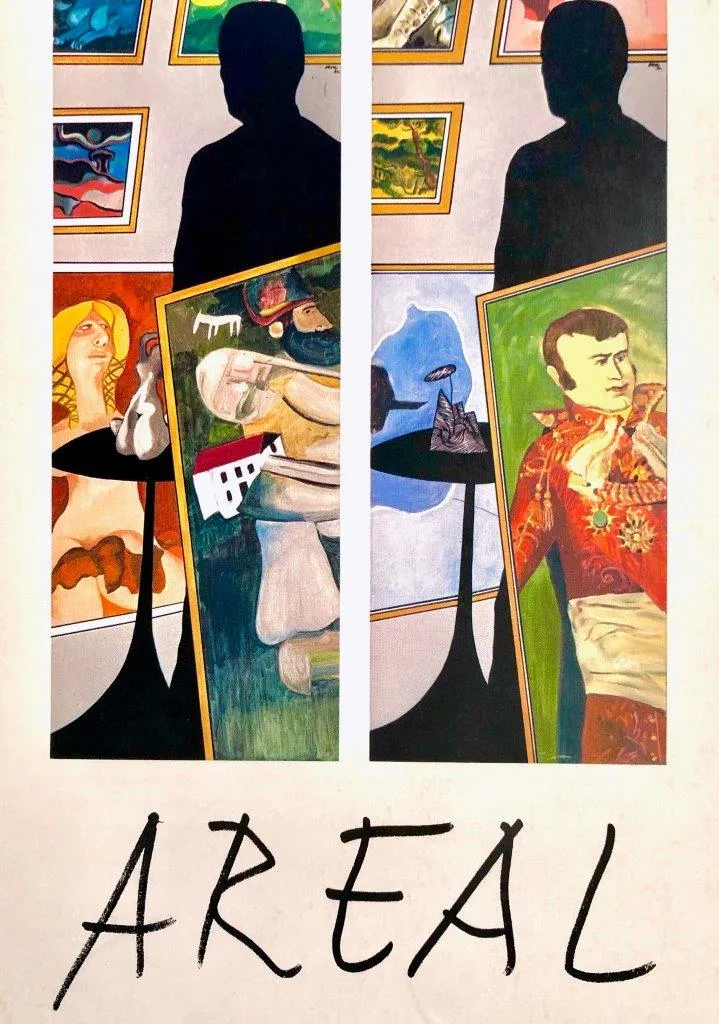
In 1968 he received the Prémio Nacional de Desenho. In 1971 he began one of the most important series in his painting: O Coleccionador, followed by the Série dos Cavaleiros and the Série dos Pianistas, marking his clear choice for the figurative. After this his artistic activity decreased considerably, and he took part only in occasional group exhibitions.
He died in Lisbon in July 1978.
Artworks
António Areal
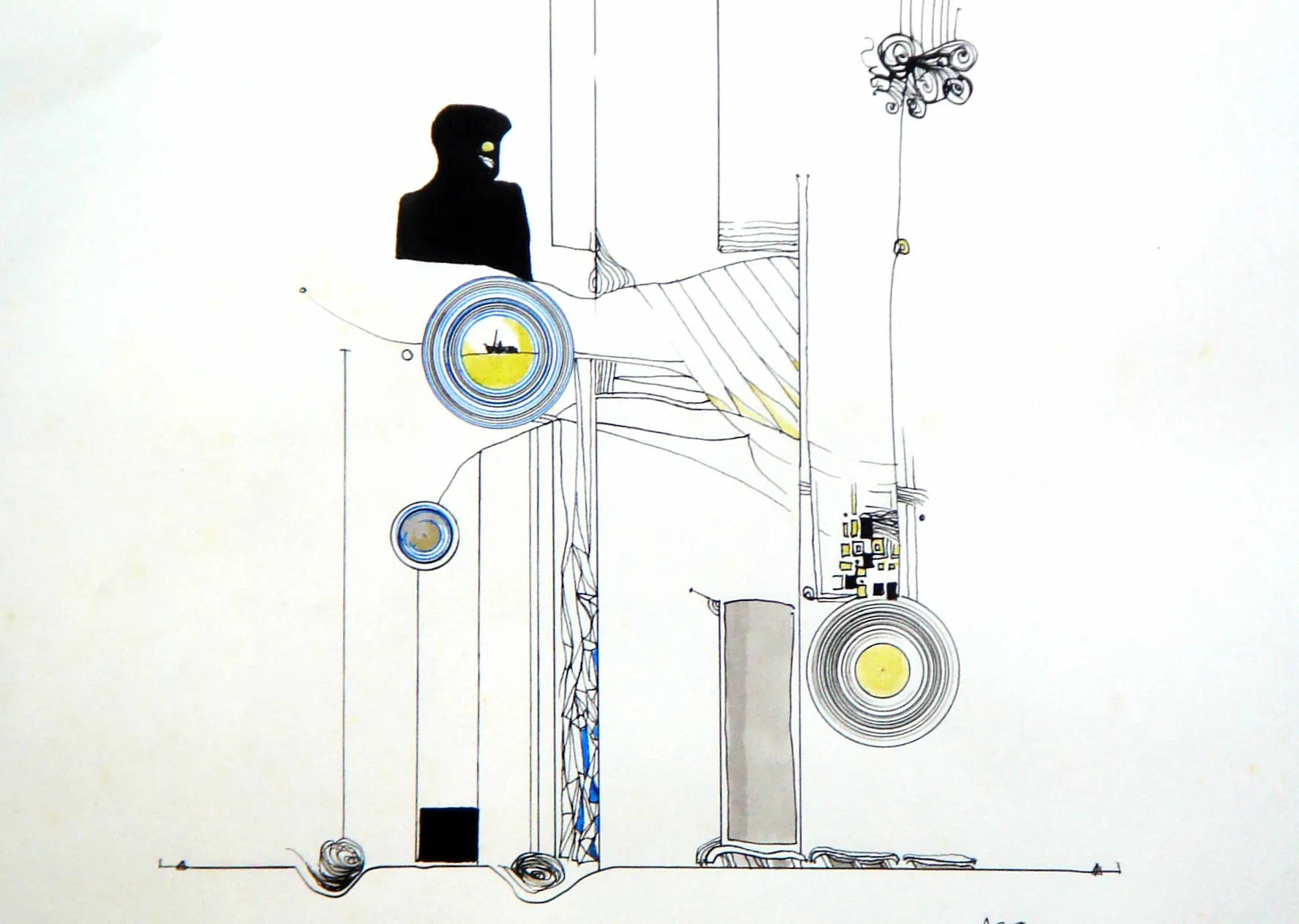
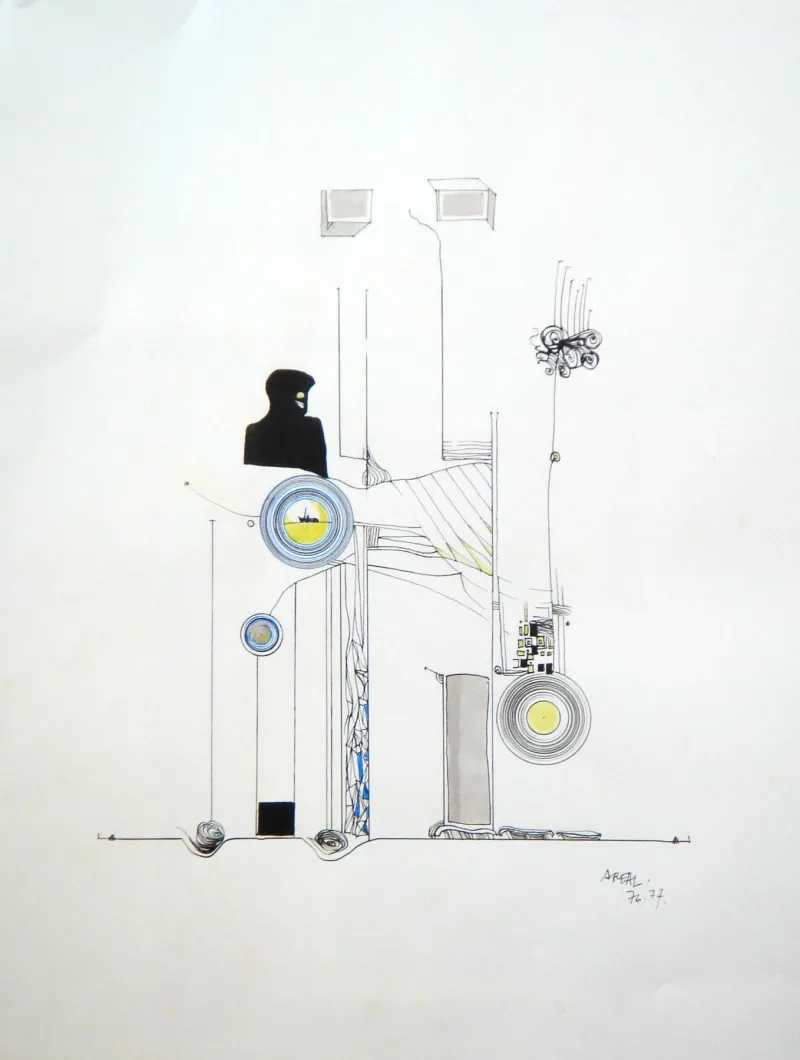
Untitled (collector series), c. 1976
48 x 66 cm | Available
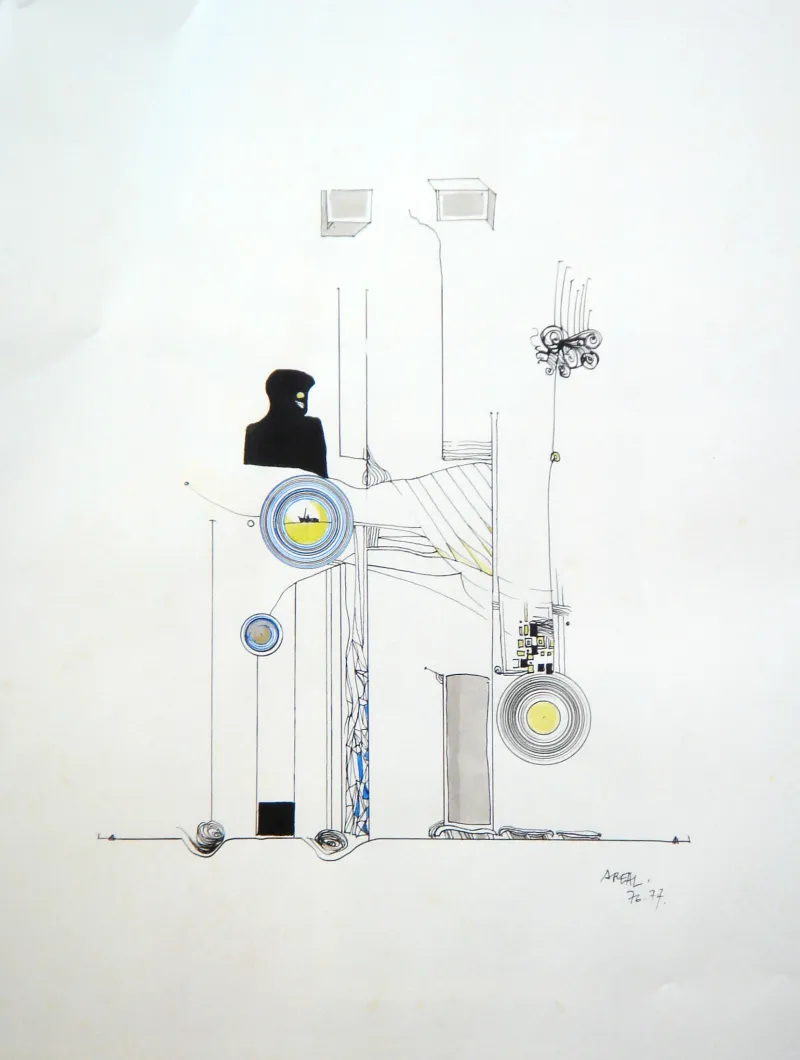
António Areal
Untitled, n.d.
70 x 50 cm | Available
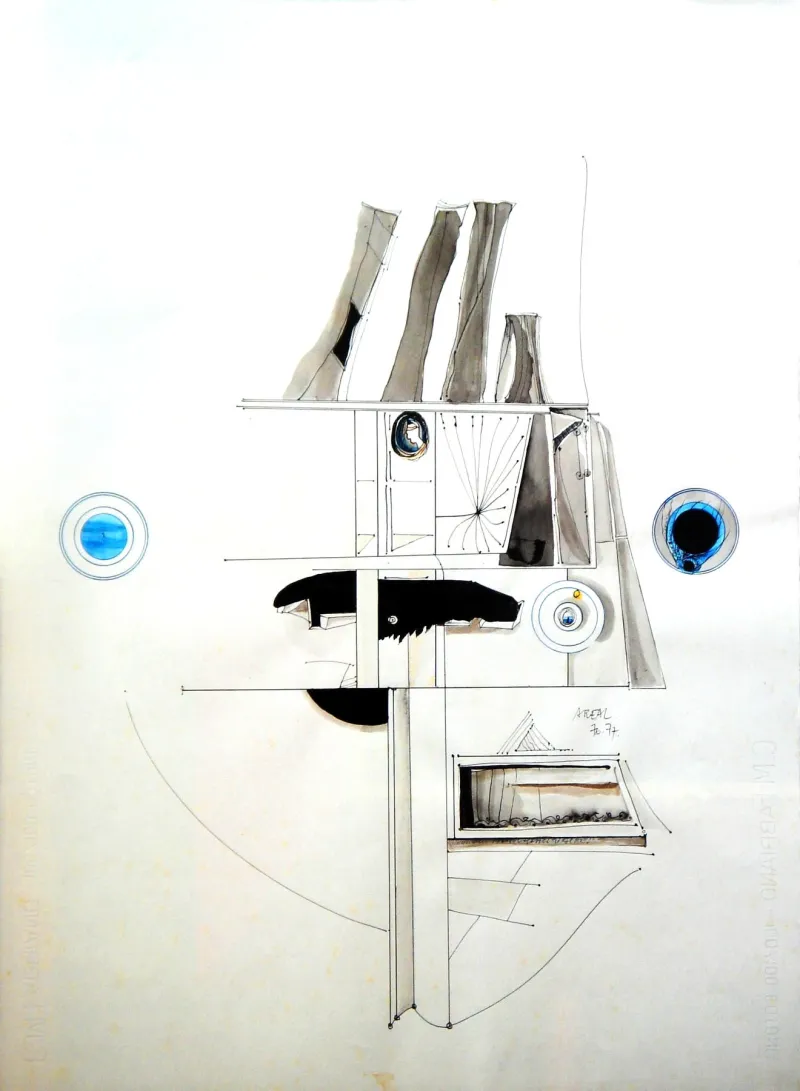
António Areal
Untitled (collector series), c. 1976
48 x 66 cm | Not available
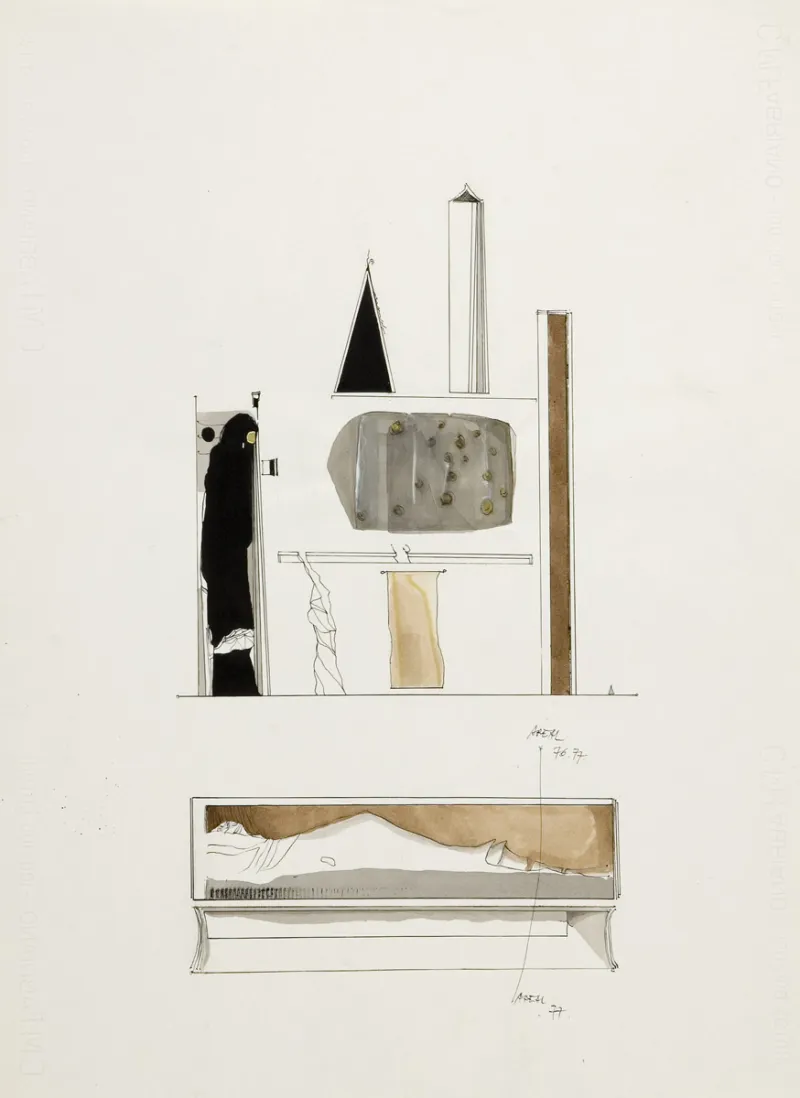
António Areal
Untitled (41), c. 1976
49 x 66 cm | Not available
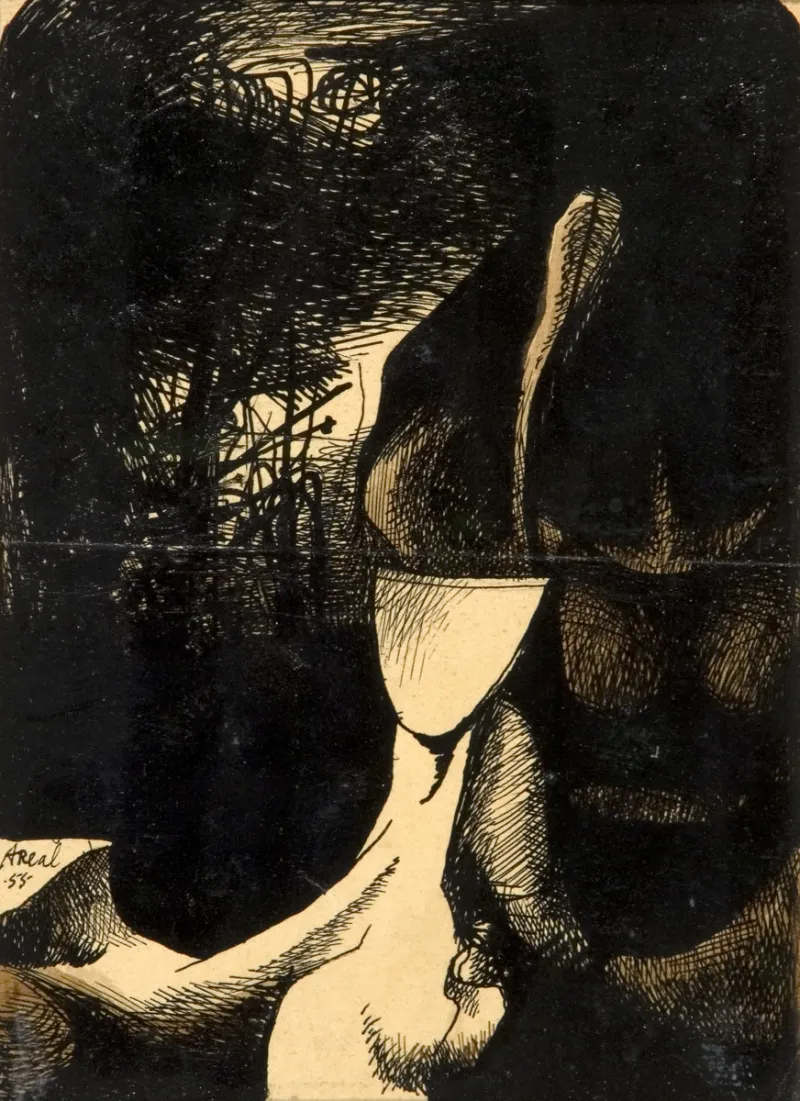
António Areal
Untitled (17), 1975
19 x 26 cm | Not available
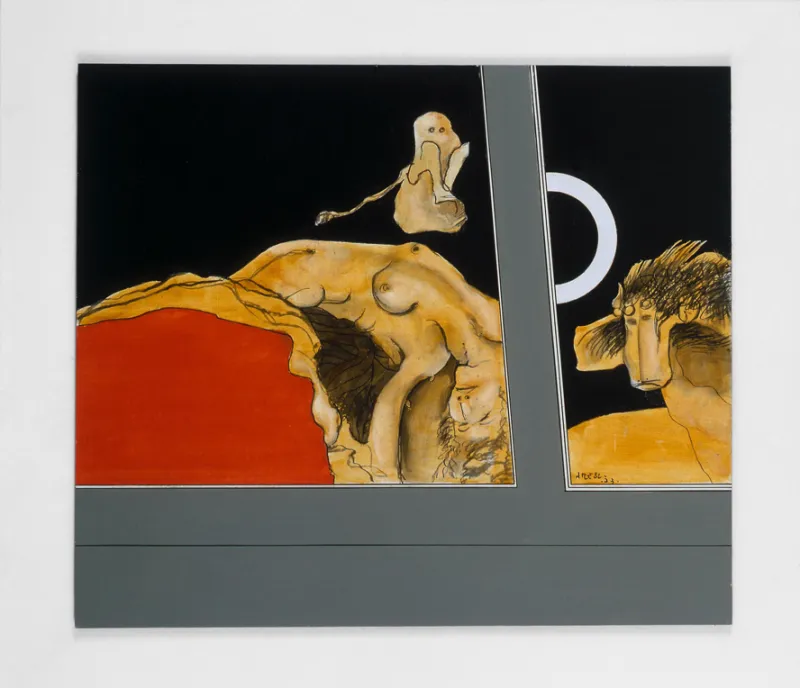
António Areal
Variations on a Theme by Fuseli, 1973
Provenance: MNAC - Museu do Chiado
70 x 82 cm | Not available
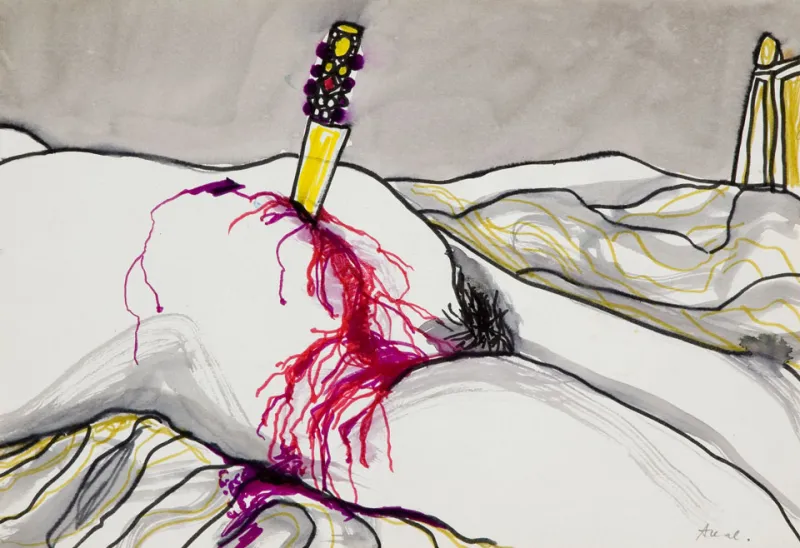
António Areal
Estudo p/ colaboração c/ Teresa Horta (42-46), 1973
58 x 48 cm | Not available
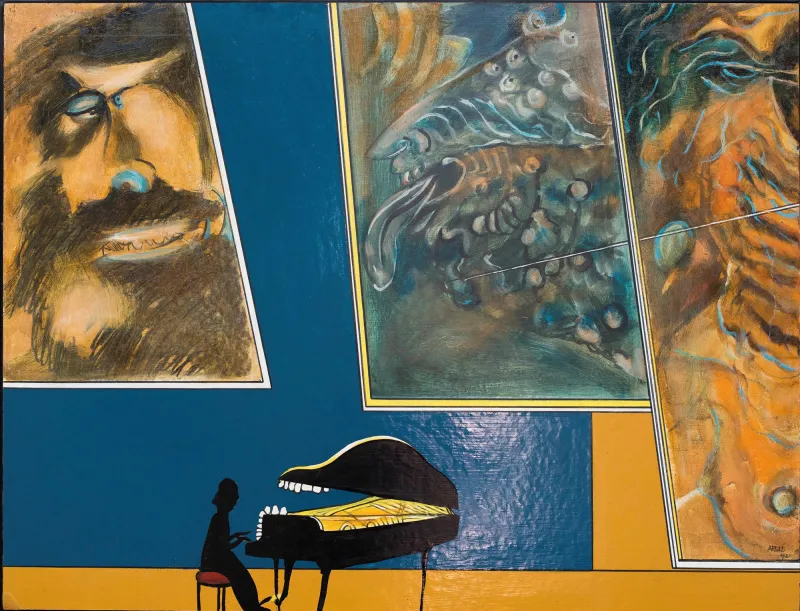
António Areal
Schumann, 1972
Provenance: Private collection
69.5 x 91 cm | Not available
Exhibitions
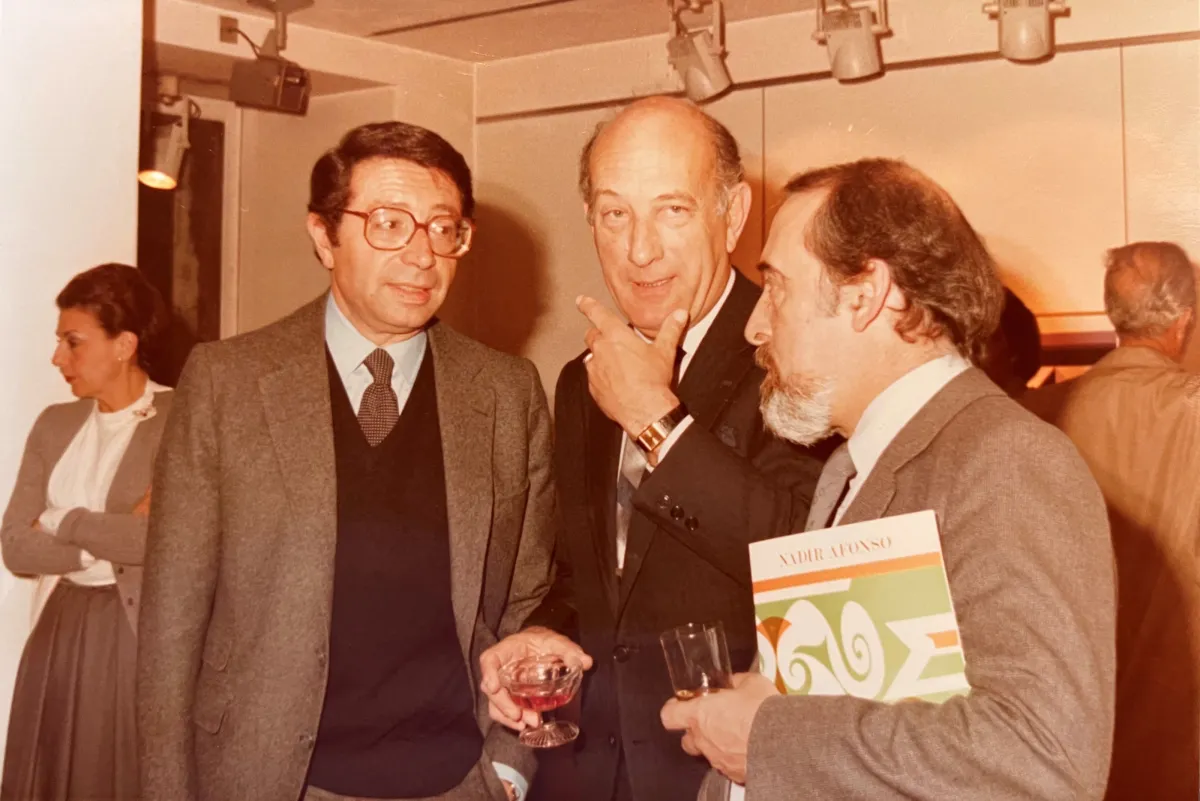
Centenário do Nascimento
Francisco Pereira Coutinho
25 November - 8 December 2022
(1922-2006)
PartnershipSociedade Nacional de Belas-Artes
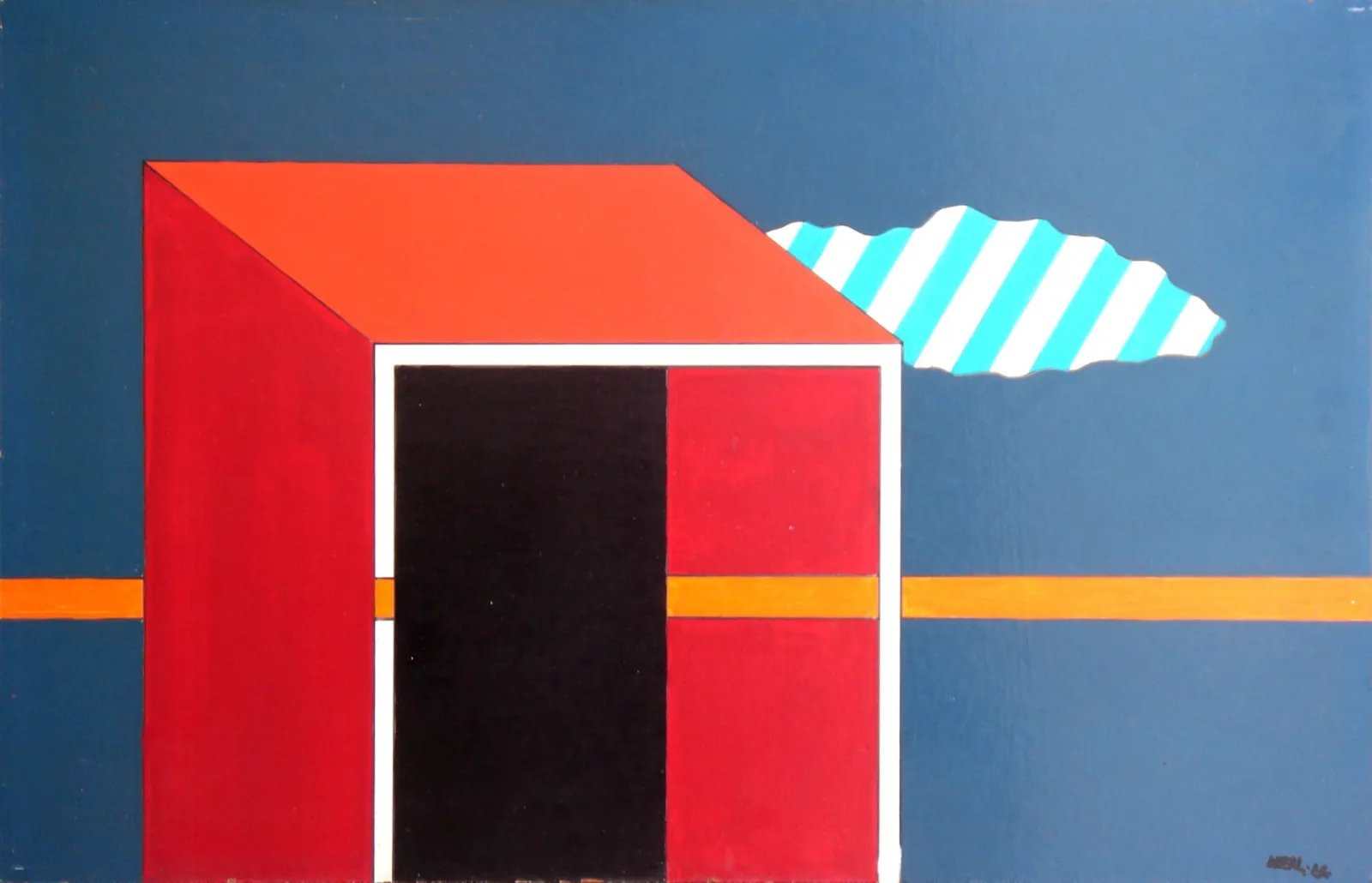
António Areal e Seus Contemporâneos
Escolhas de Sofia Areal e Rui-Mário Gonçalves
1 June - 31 July 2009
Lisboa - Politécnica
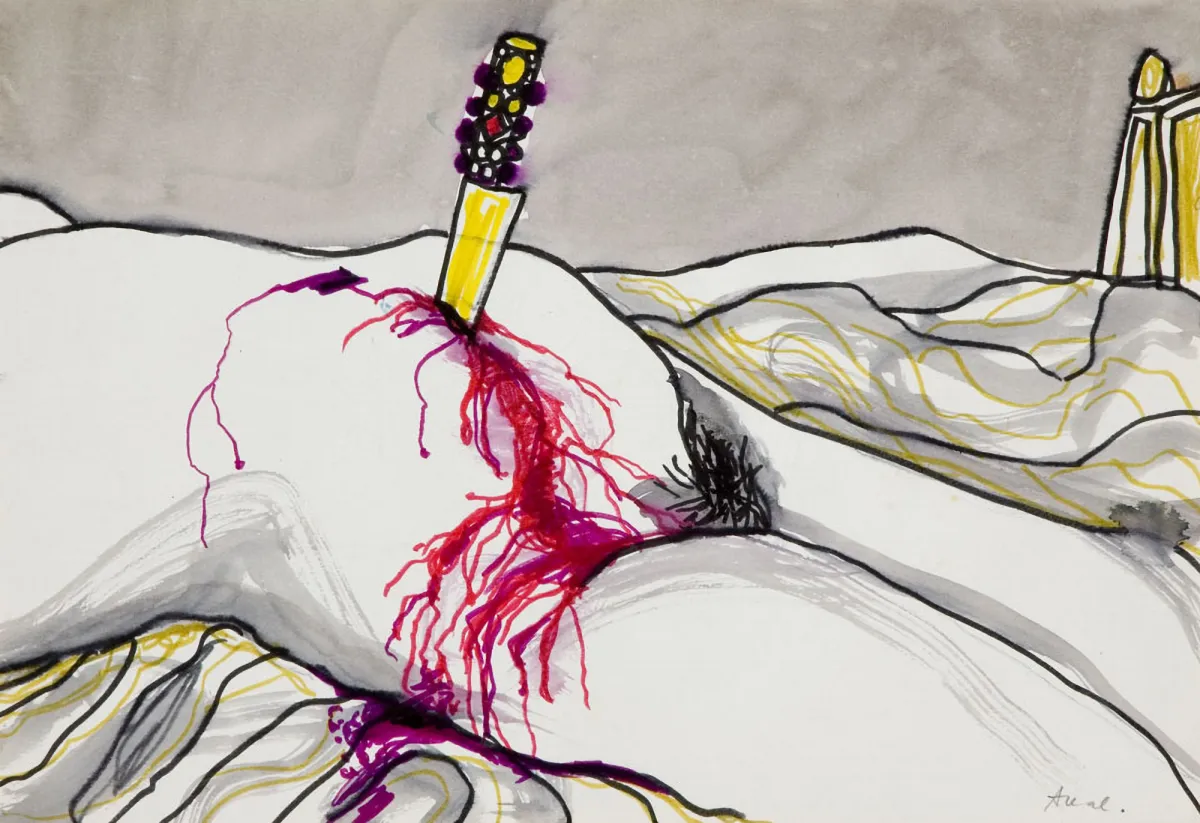
António Areal
As Últimas Peças de um Colecionador
27 November - 27 December 2006
Lisboa - Politécnica
António Areal
António Areal (1989)
1 November - 31 December 1989
Lisboa - Politécnica
António Areal
António Areal (1973)
1 May 1971 - 31 May 1973
Lisboa - Politécnica
António Areal
António Areal (1971)
1 May - 31 May 1971
Lisboa - Politécnica
António Areal
António Areal (1969)
1 November - 30 November 1969
Lisboa - Politécnica
António Areal
António Areal (1968)
1 January - 31 January 1968
Lisboa - Politécnica
No results found.