João Cutileiro
(1937 - 2021)
João Cutileiro
Scroll down
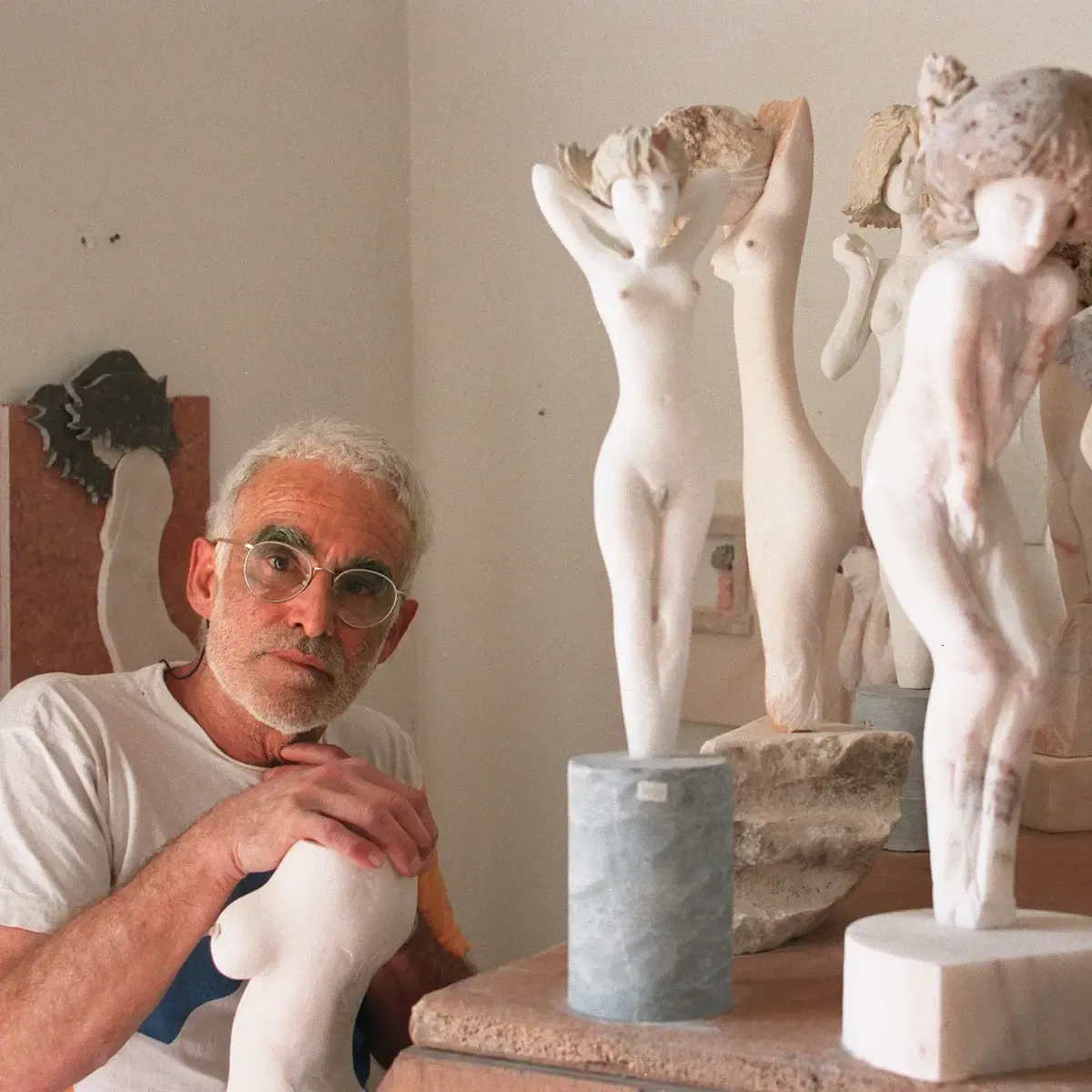
João Cutileiro was born in Lisbon in 1937 and died in the same city in 2021. He attended the Lisbon School of Fine Arts between 1953 and 1955, continuing his training at the Slade School of Fine Art in London from 1955 to 1959. A student of Reg Butler, he developed a practice that helped reshape Portuguese sculpture in the second half of the twentieth century.
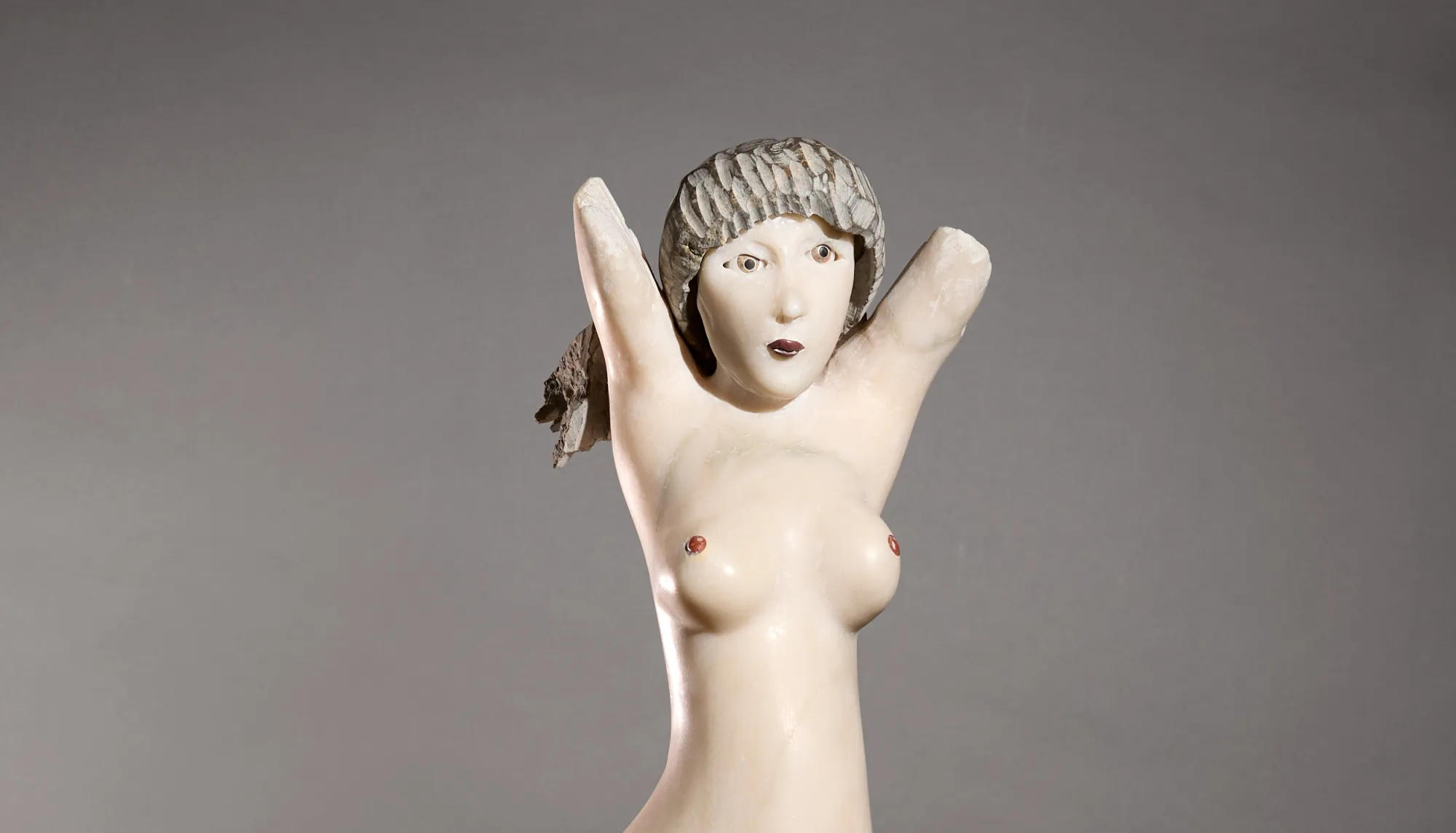
The human body, particularly the female figure, occupies a central place in his work. During the 1960s, he developed articulated figures and began using electric tools to carve directly into stone, especially marble. His sculptures combine polished surfaces and sensual forms with visible cuts and joints. His work also encompasses trees, flowers, landscapes and historical figures, exploring different scales and the expressive possibilities of materials.
He returned permanently to Portugal in 1970, settling in Lagos. There he created "D. Sebastião", unveiled in 1973, whose depiction of the king challenged the heroic and nationalist tradition of Portuguese public statuary. In 1985, he moved to Évora, where he maintained his studio for the rest of his life.
His influence extended to teaching and supporting new generations of sculptors. In 1981, together with Ar.Co, he organised the First International Stone Sculpture Symposium in Évora, bringing international artists and young Portuguese sculptors together to work, experiment and exchange ideas.
He participated in the Calouste Gulbenkian Foundation’s First Exhibition of Fine Arts in 1957. Major presentations of his work include the retrospective organised by the Foundation in 1990 and "Constelação Cutileiro", held at the José de Guimarães International Arts Centre in 2018. His work is represented in the collection of the Calouste Gulbenkian Foundation’s Modern Art Centre.
He was appointed an Officer of the Order of Sant’Iago da Espada in 1983 and received Portugal’s Medal of Cultural Merit in 2018. He was awarded honorary doctorates by the University of Évora in 2013 and NOVA University Lisbon in 2017. His legacy to the Portuguese State includes his house and studio in Évora, his personal archive and a selection of works representing his artistic career.
Artworks
João Cutileiro
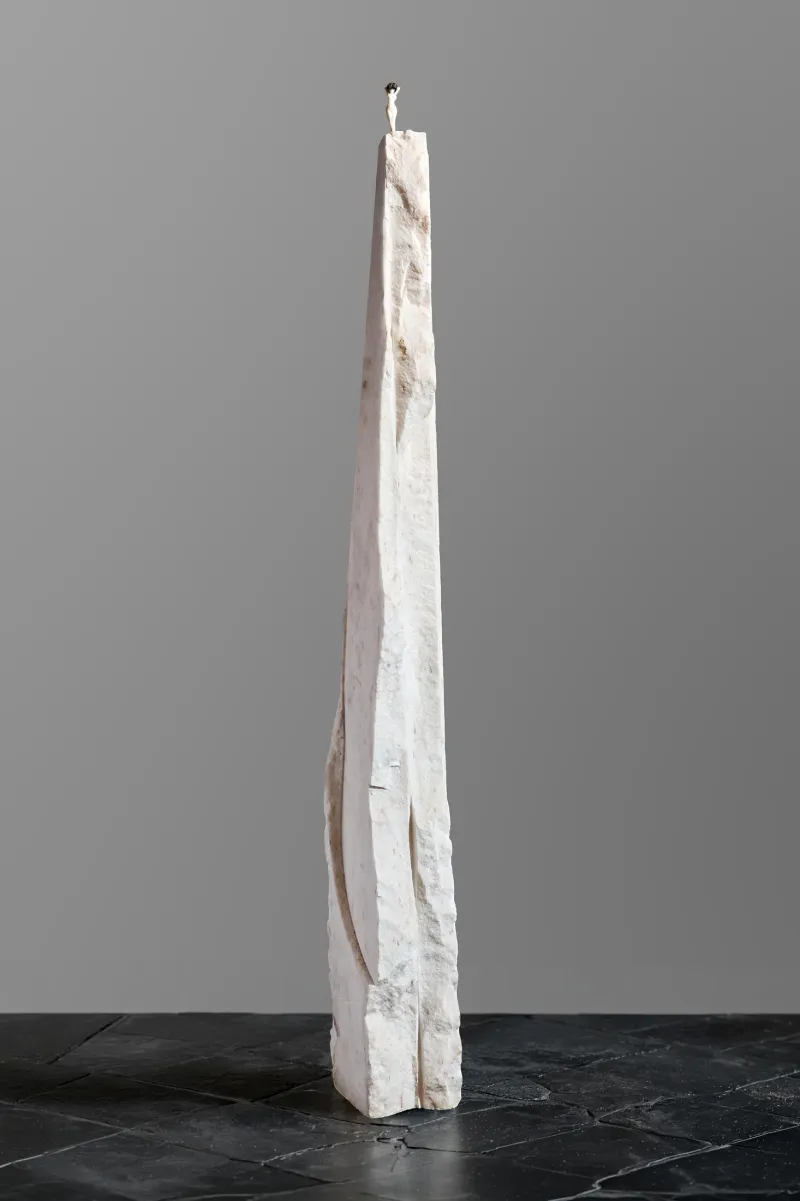
Sem título (Coluna com figura feminina)
160 x 15 x 19 cm | Available
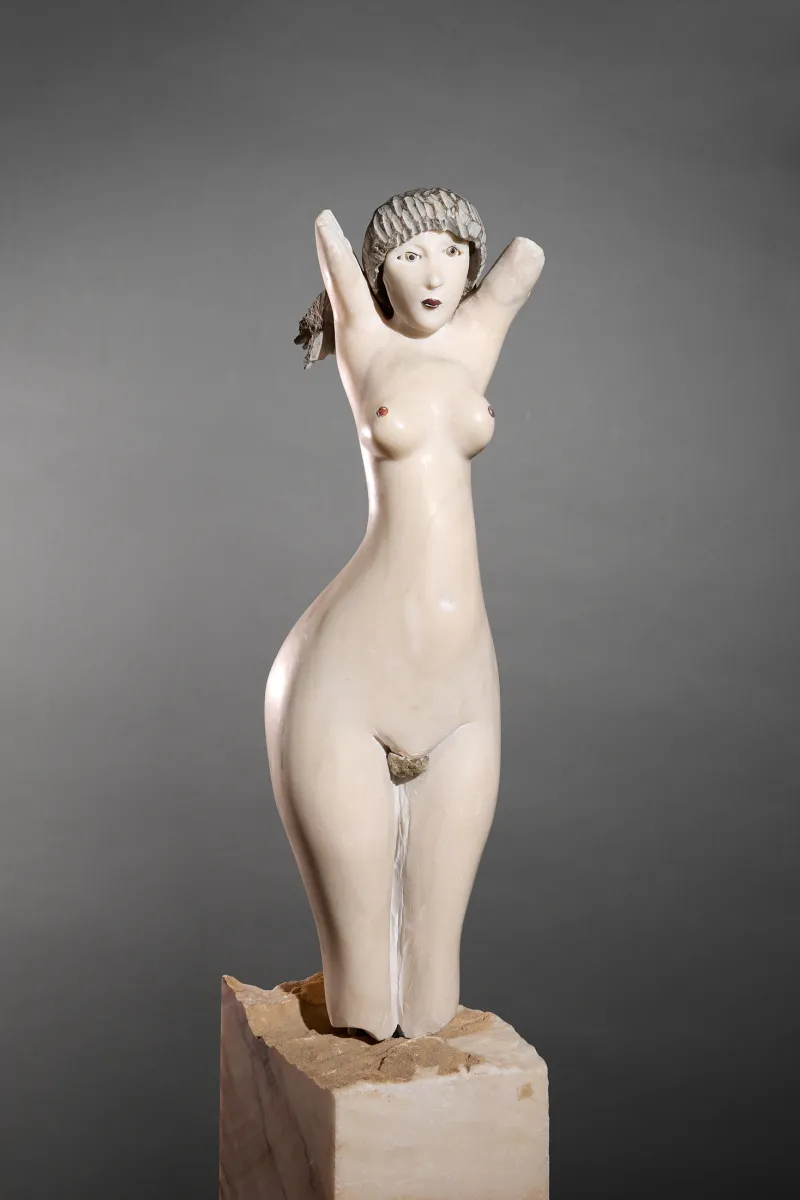
João Cutileiro
Sem título (Figura feminina)
75 x 18 x 18 cm | Available