João Vieira
(1934 - 2009)
João Vieira
Scroll down
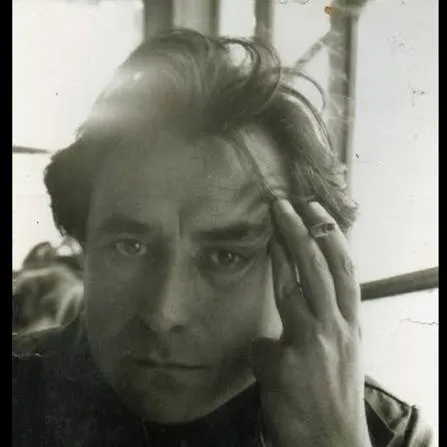
João Vieira was born in Vidago, Trás-os-Montes, in 1934, and died in Lisbon in 2009. He attended the painting course at the Escola Superior de Belas-Artes de Lisboa between 1951 and 1953. He then became associated with the Grupo do Café Gelo, where he mixed with artists and writers such as René Bertholo, José Escada, Herberto Helder and Mário Cesariny.
In 1957 he left for Paris, where he studied with Henri Goetz at the Académie de la Grande Chaumière and worked with Arpad Szenes as a Fundação Calouste Gulbenkian scholarship holder. He took part in the formation of the KWY group, following the artistic experiments then developing in the French capital. He held his first solo exhibition in 1959, at the Galeria do Diário de Notícias in Lisbon.
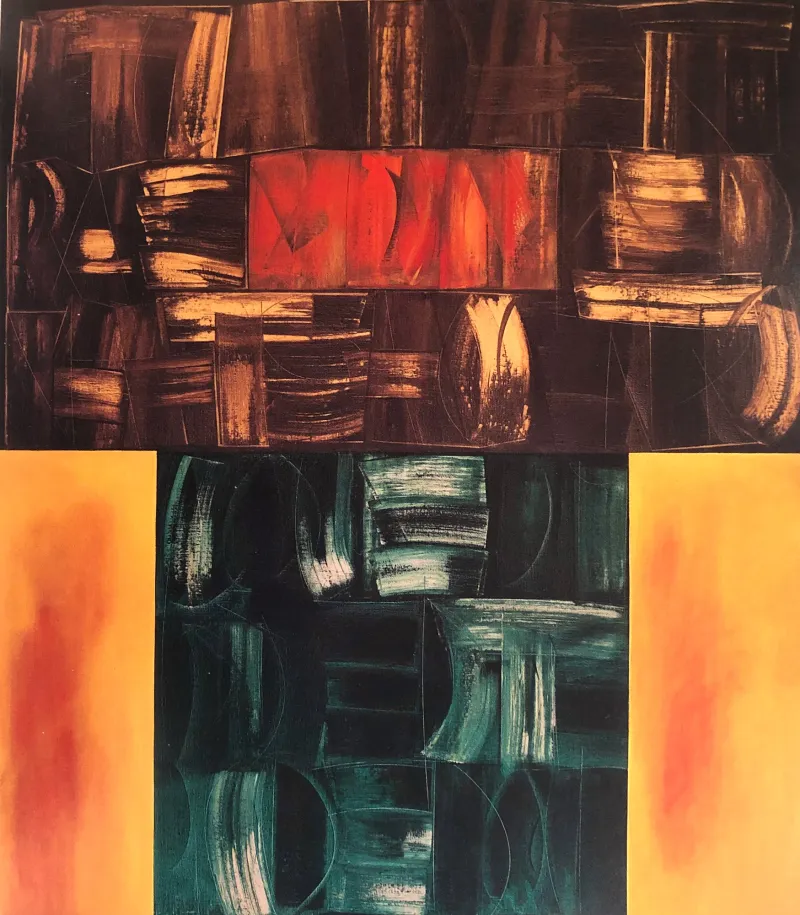
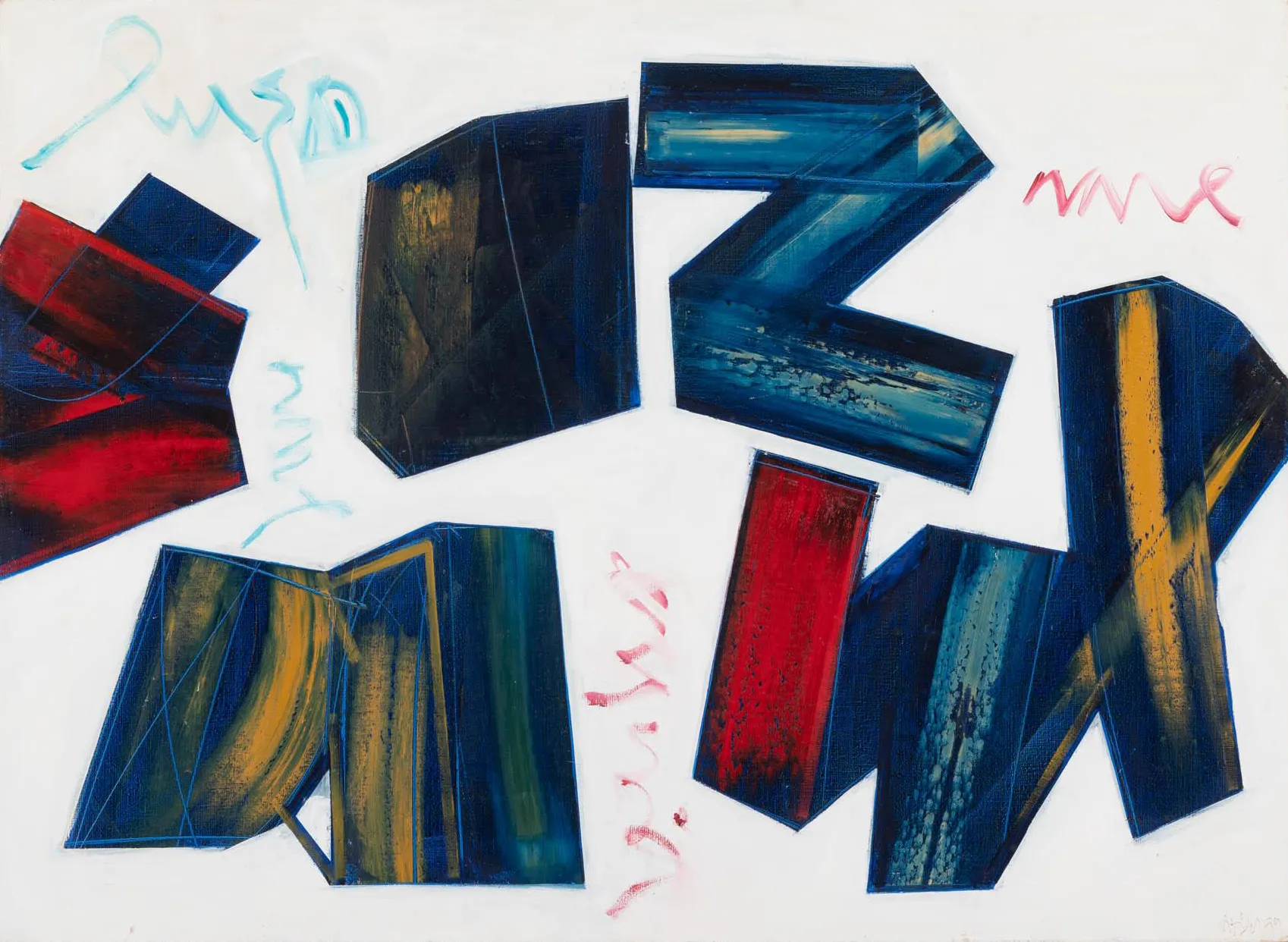
Writing occupies a central place in his work. Letters, words and poems become plastic elements, worked through colour, matter and gesture. This research extends from the canvas to objects and installations, in which alphabetic signs take on scale and physical presence. The use of materials such as polyurethane foams and industrial paints accompanies an experimental practice that made João Vieira one of the precursors of performance in Portugal. In 1970 he presented "O Espírito da Letra" at the Galeria Judite Dacruz, one of his first "action-spectacles", which culminated in the destruction of the works on show.
After a spell in London, he returned to Portugal in 1967, developing an intense activity as a set designer and director, both in the theatre and on television. Alongside this, he devoted himself to teaching, notably at the Escola António Arroio, the Maidstone College of Art, the Conservatório Nacional and the Sociedade Nacional de Belas Artes.
He took part in "Alternativa Zero" in 1977 and represented Portugal at the 1980 Venice Biennale. In "Caretos", of 1984, he drew on the masks and traditions of Trás-os-Montes, bringing them close to his investigation of the letter and the body. He also revisited the history of Portuguese painting, entering into dialogue with works by Nuno Gonçalves, Francisco de Holanda and Grão Vasco.
He created public art interventions for the underground stations of Terreiro do Paço in Lisbon and Deák Tér in Budapest. His work is held in the collections of the Fundação Calouste Gulbenkian, the Fundação de Serralves, the Museu Nacional de Arte Contemporânea and MACAM, among others. In 2009 he posthumously received the Grande Prémio Amadeo de Souza-Cardoso in recognition of his career.