Júlio
(1902 - 1983)
Júlio
Scroll down
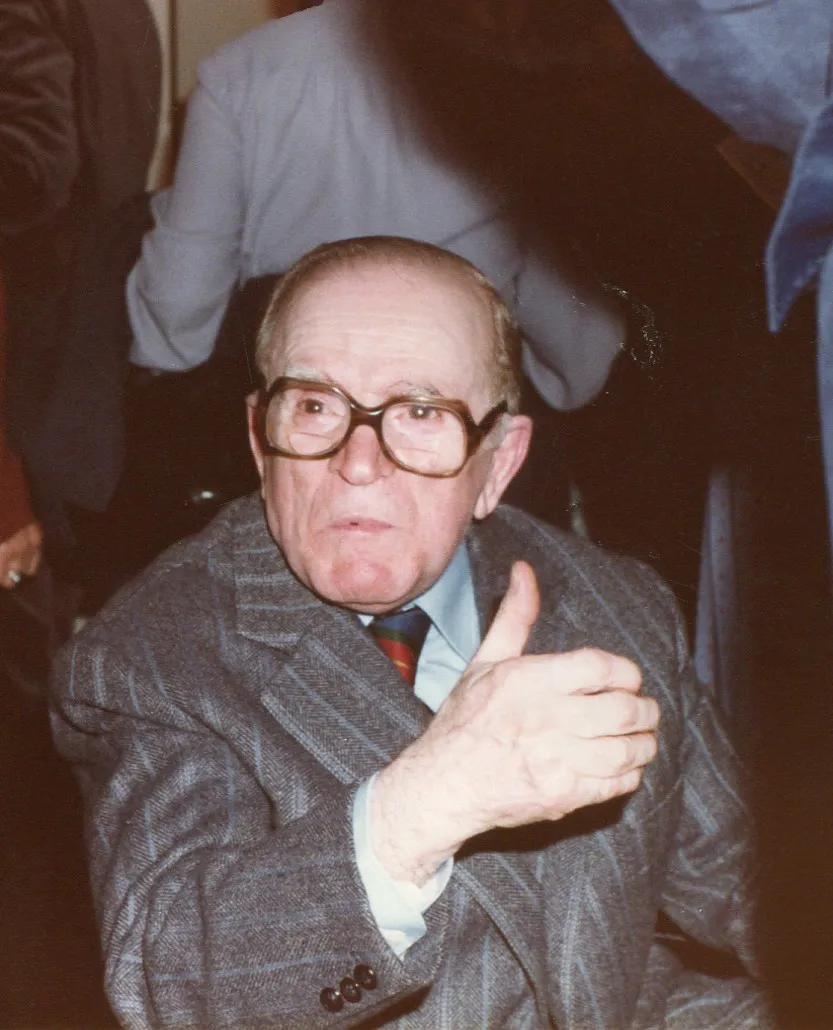
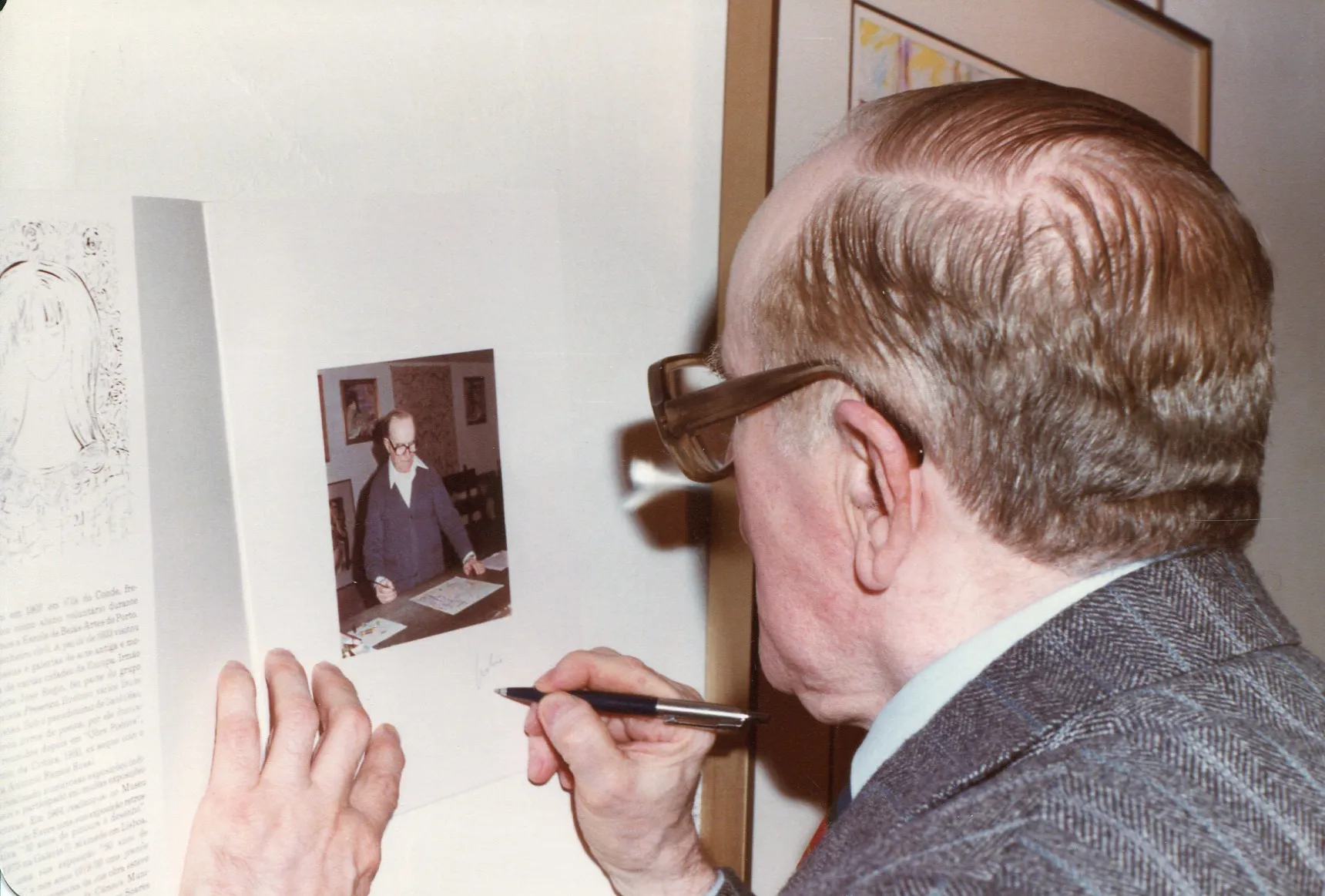
Júlio dos Reis Pereira was born in Vila do Conde in 1902 and died in the same town in 1983. He signed his visual work as Julio and his literary work as Saúl Dias. He graduated in Civil Engineering from the Faculty of Sciences of the University of Porto and also spent two years at the Porto School of Fine Arts.
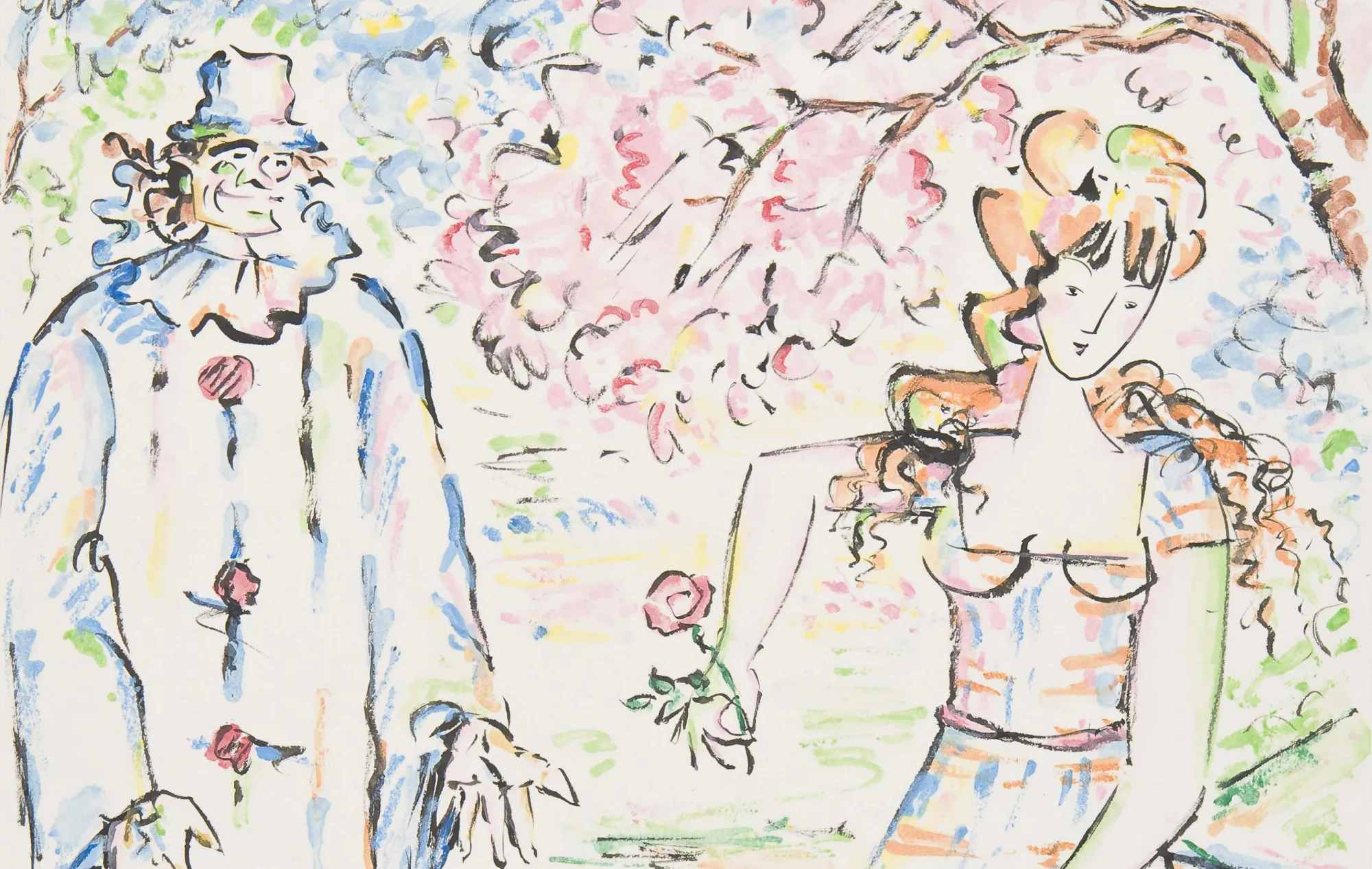
He belongs to the second generation of Portuguese modernism. Despite his time at the academy, he took an anti-academic stance, defending complete freedom and a lyrical expressiveness. From 1935 he devoted himself exclusively to drawing, in large series, generally without colour and with a simple line. In 1972 he returned to painting and to the aesthetic of his early years, combining a caricatural eye with a dreamlike dimension, above all in his depiction of character types from urban society.
He first exhibited in 1930, at the Salão dos Independentes, and held his first solo exhibition in 1934 at the Sociedade Nacional de Belas-Artes. Regular shows followed at Galeria UP (1938), Galeria Buchholz (1944), Galeria Pórtico (1955) and Galeria Diário de Notícias (1959 and 1964), among others. He took part in the 2nd São Paulo Biennial in 1953 and in EXPO AICA SNBA in 1972, and received the first prize for drawing at the 4th Estoril Autumn Salon.
He contributed to the magazine "Presença" between 1927 and 1940 and illustrated works by his brother, José Régio, including the cover of his first book. As Saúl Dias he published six books, among them "Obra Poética" (1967), which received the Critics’ Prize in 1980.
In 2016 the Galeria Julio and the Julio/Saúl Dias Study Centre opened in Vila do Conde, housing part of his work and his collection of Redondo ceramics. He is represented in the collections of the Calouste Gulbenkian Foundation’s Modern Art Centre, with works such as "Tarde de festa" (1925), "Nocturno" (1929) and "O burguês e a menina" (1931), and of MACAM.
Júlio, the artistic name of Júlio Maria dos Reis Pereira, was born in Vila do Conde in 1902 and died in the same town in 1983. He graduated in Civil Engineering from the University of Porto and spent two years at the Porto School of Fine Arts. As a writer, he used the pseudonym Saúl Dias.
A figure of the second generation of Portuguese modernism, he developed a lyrical body of work in which the observation of urban life meets caricature and a dreamlike imagination. From 1935 onwards he concentrated on drawing, exploring the possibilities of line and Indian ink in works marked by a free, loose stroke and the transformation of figures. Some of his drawings from this decade anticipate experiments that would later characterise Portuguese surrealism.
The close link between visual art and literature runs through his whole career. He contributed to the magazine "presença" from its first issue in 1927 until it closed in 1940, and illustrated books by his brother José Régio, including the cover of "Poemas de Deus e do Diabo". As Saúl Dias, he published several books of poetry, collected in "Obra Poética", which received the Critics’ Prize in 1980.
He took part in the Salão dos Independentes in 1930 and held his first solo exhibition at the Sociedade Nacional de Belas Artes in Lisbon in 1935. He exhibited at the 2nd São Paulo Biennial in 1953. Between 1979 and 1980, a major retrospective travelled to Vila do Conde, the Museu Nacional Soares dos Reis in Porto and the Calouste Gulbenkian Foundation in Lisbon.
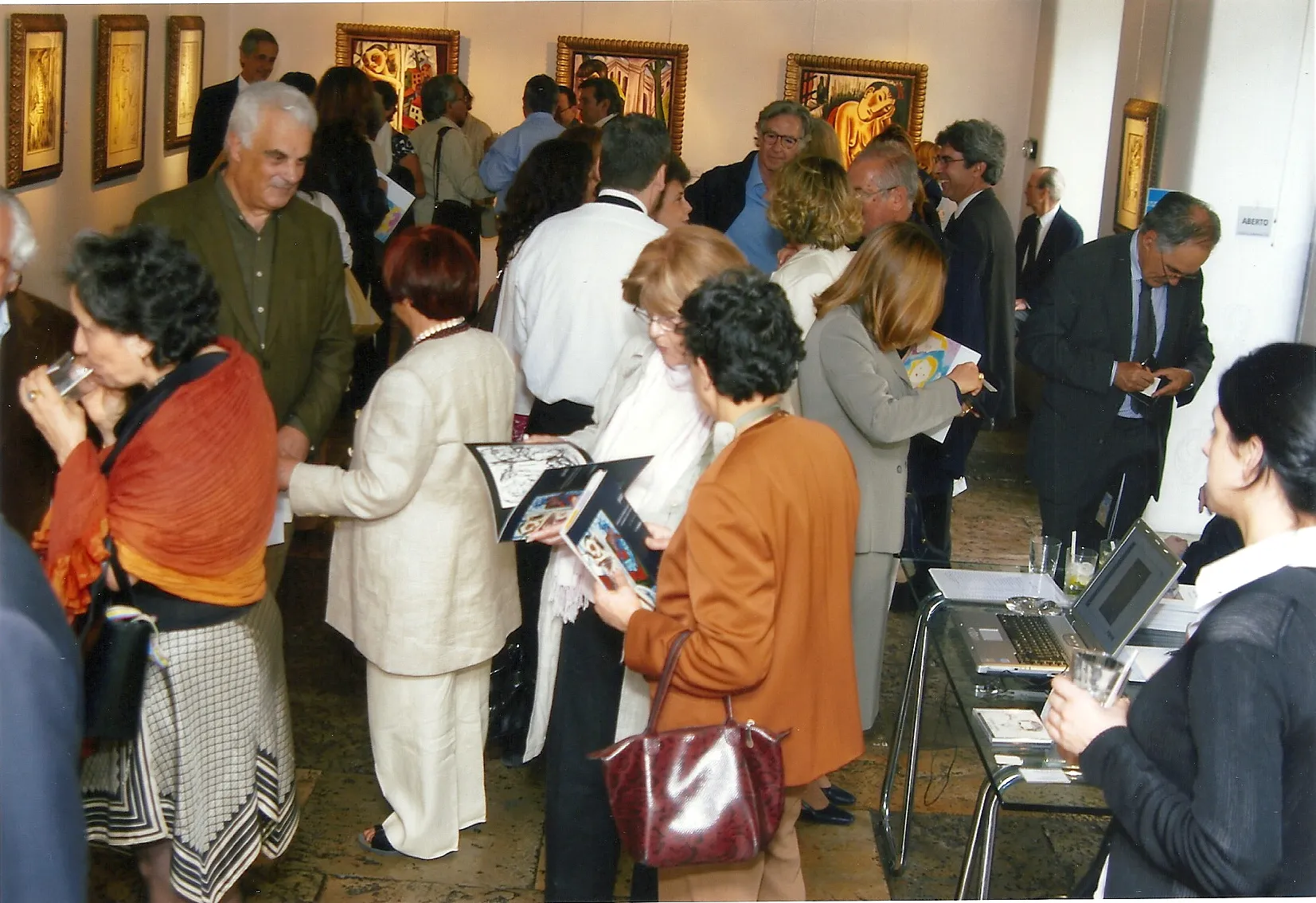
He maintained a long-standing relationship with Galeria São Mamede, where in 1970 he showed paintings made between 1923 and 1935. This was followed by the retrospective "50 Anos de Desenho" in 1973, exhibitions of watercolours and drawings and, in 1983, a selection of thirty drawings from the "Poeta" series. The gallery continued to promote his work after his death with several survey exhibitions.
His painting was also the subject of "As Pinturas do Meu Irmão Júlio", a 1965 film by Manoel de Oliveira, presented by José Régio and with music by Carlos Paredes.
His work is held in collections including those of the Calouste Gulbenkian Foundation’s Modern Art Centre and the Cupertino de Miranda Foundation. In Vila do Conde, the Galeria Julio and the Julio/Saúl Dias Study Centre, both founded in 2015, are devoted to the conservation, research and dissemination of his artistic and literary legacy.
Artworks
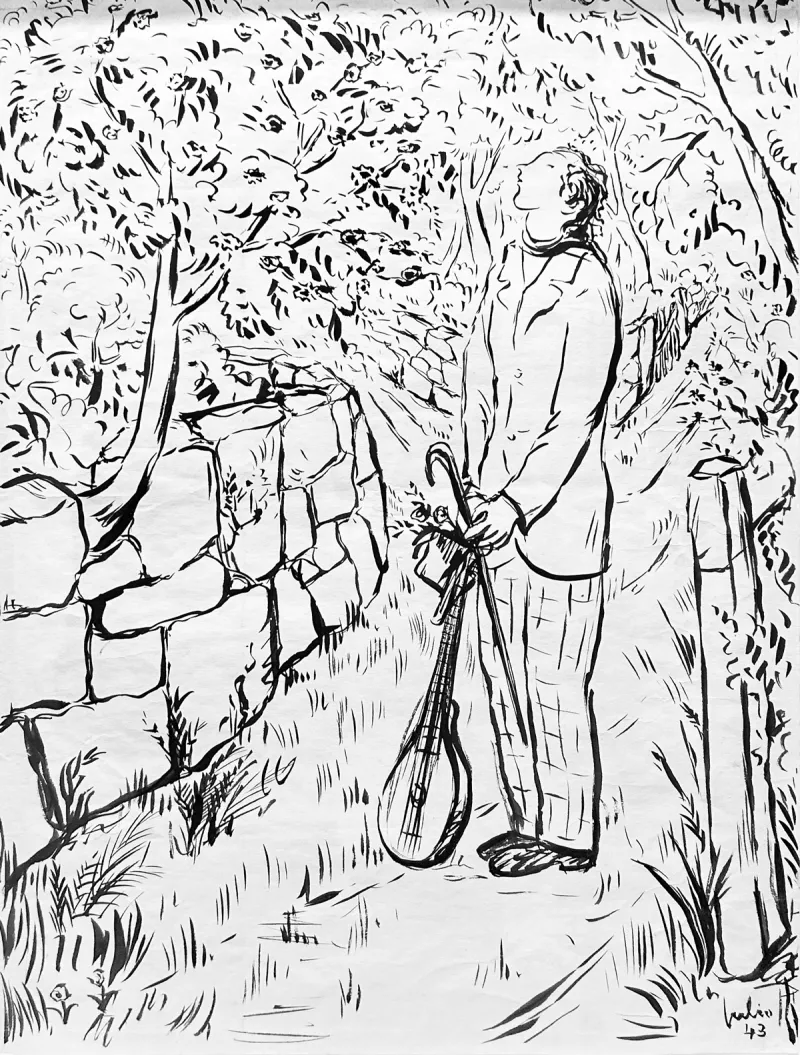
Júlio
Poet series, 1943
India ink on paper
45 x 33 cm | Available
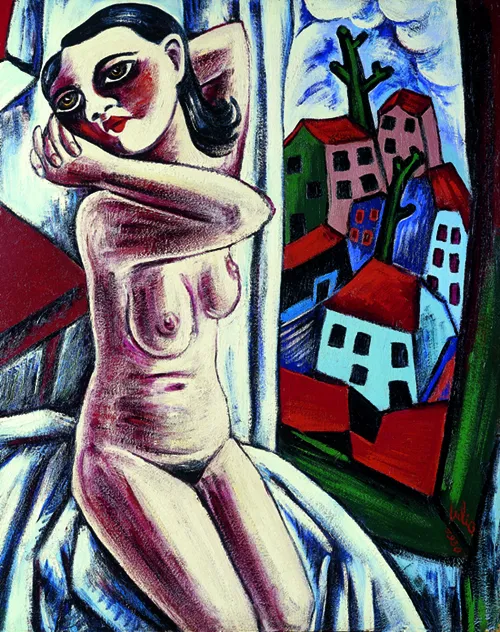
Júlio
Girl on the Beach, 1933
Provenance: Private collection
Oil on hardboard
80 x 65 cm | Not available
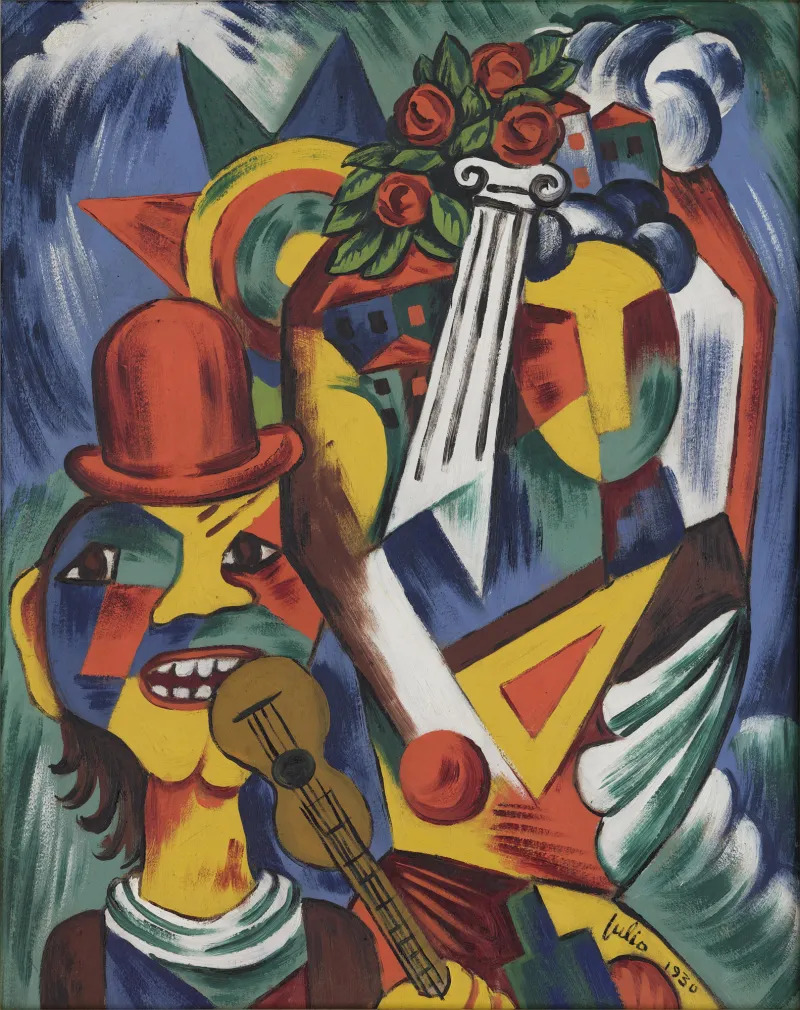
Júlio
Musician, 1930
Provenance: Millennium BCP collection
Oil on cardboard
79 x 63 cm | Not available
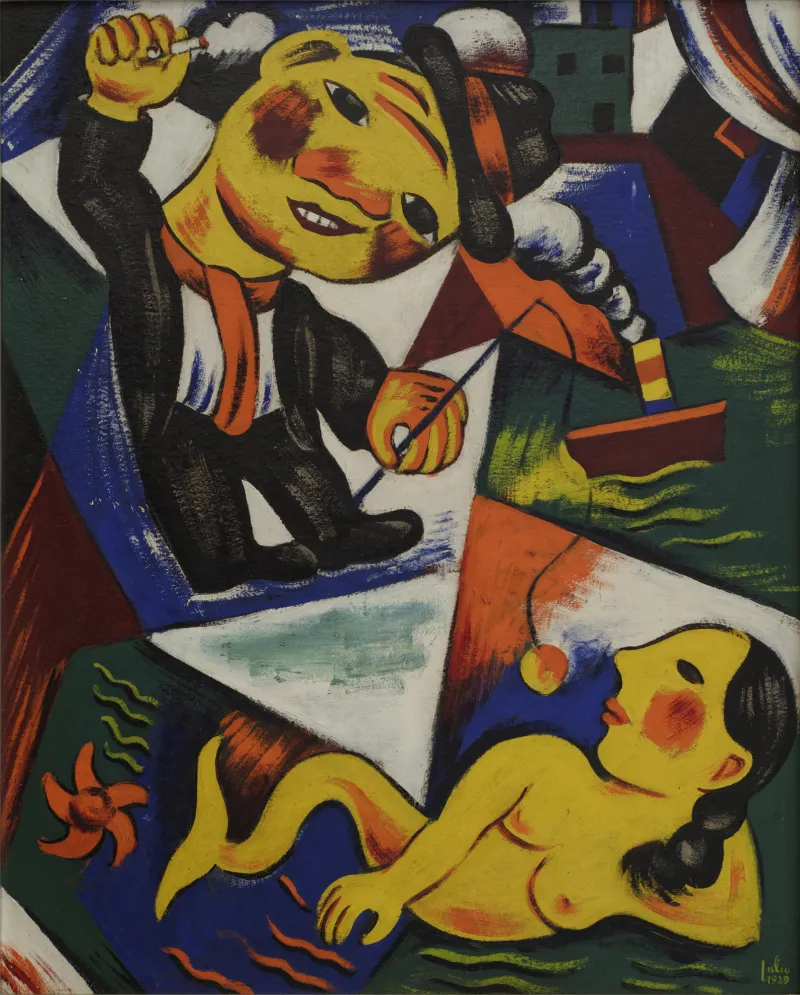
Júlio
The Mermaid Fisherman, 1929
Provenance: Millennium BCP collection
Oil on cardboard
80 x 65 cm | Not available
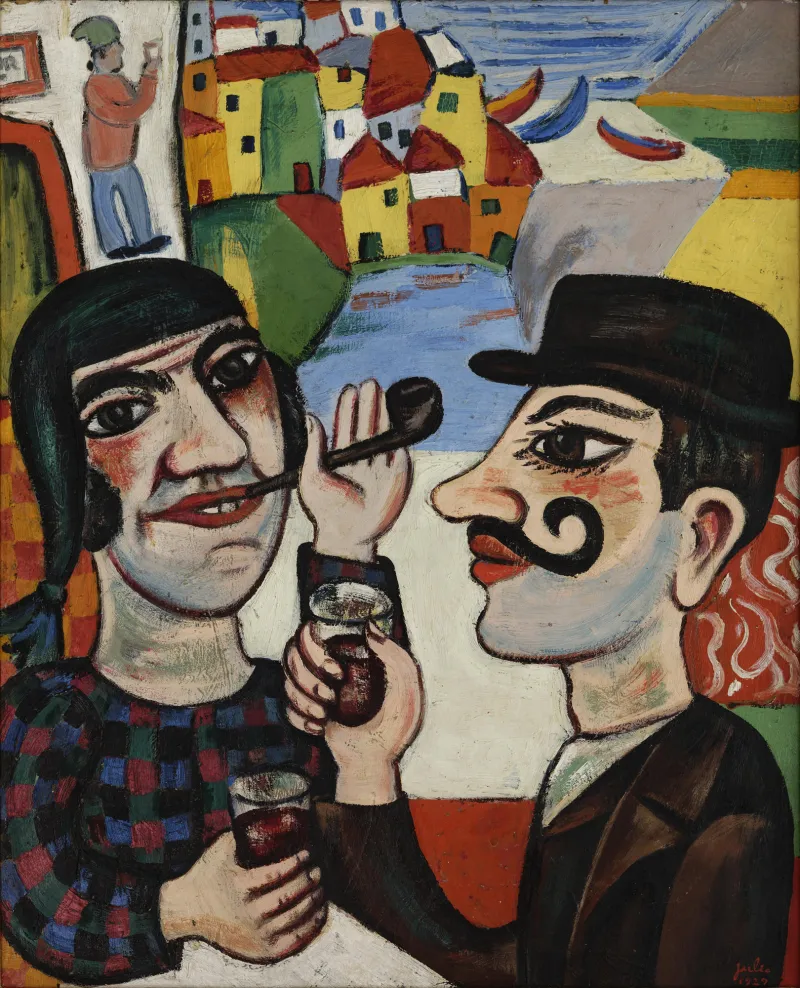
Júlio
Vila do Conde, 1926
Provenance: Millennium BCP collection
Oil on cardboard
80.3 x 65.1 cm | Not available
Exhibitions
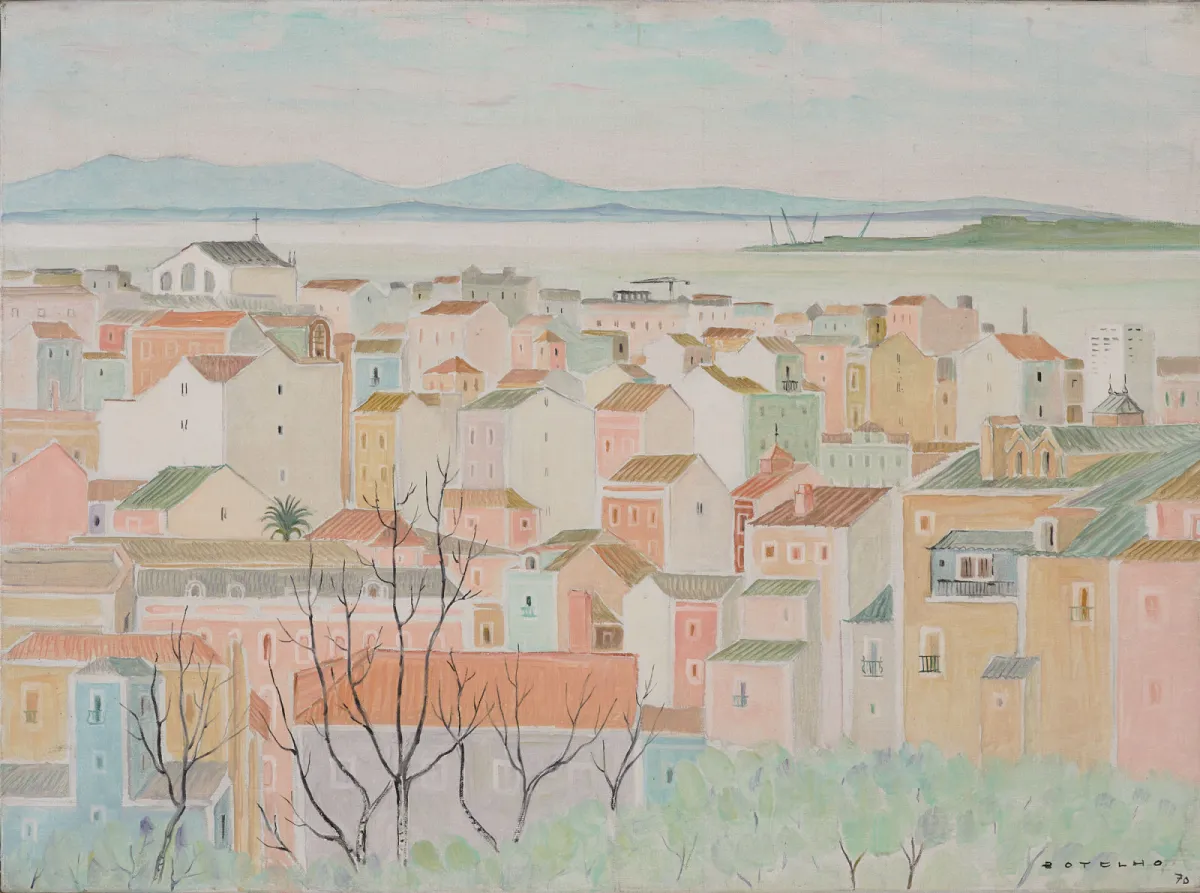
Feira de Outono 2026 - SNBA
11 November - 15 November 2026
FairSociedade Nacional de Belas-Artes
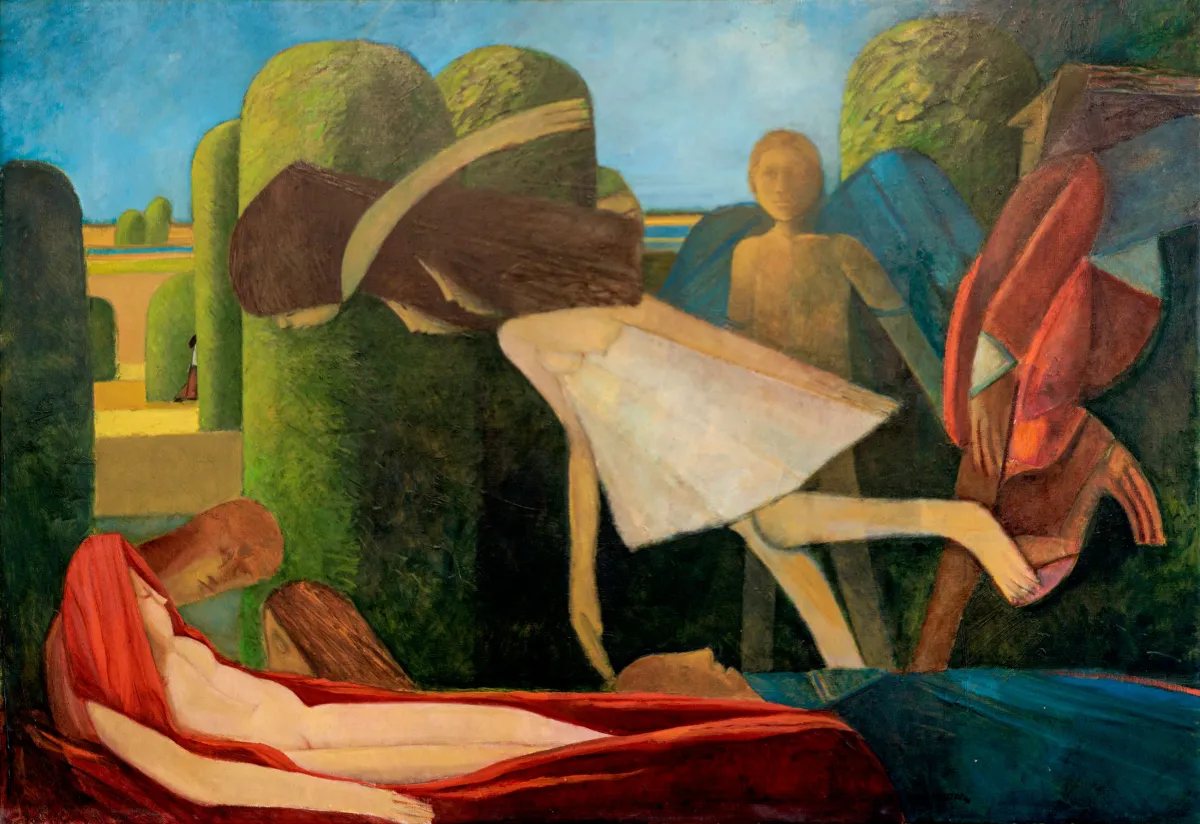
ARTePorto
24 September - 27 September 2026
FairAlfândega do Porto
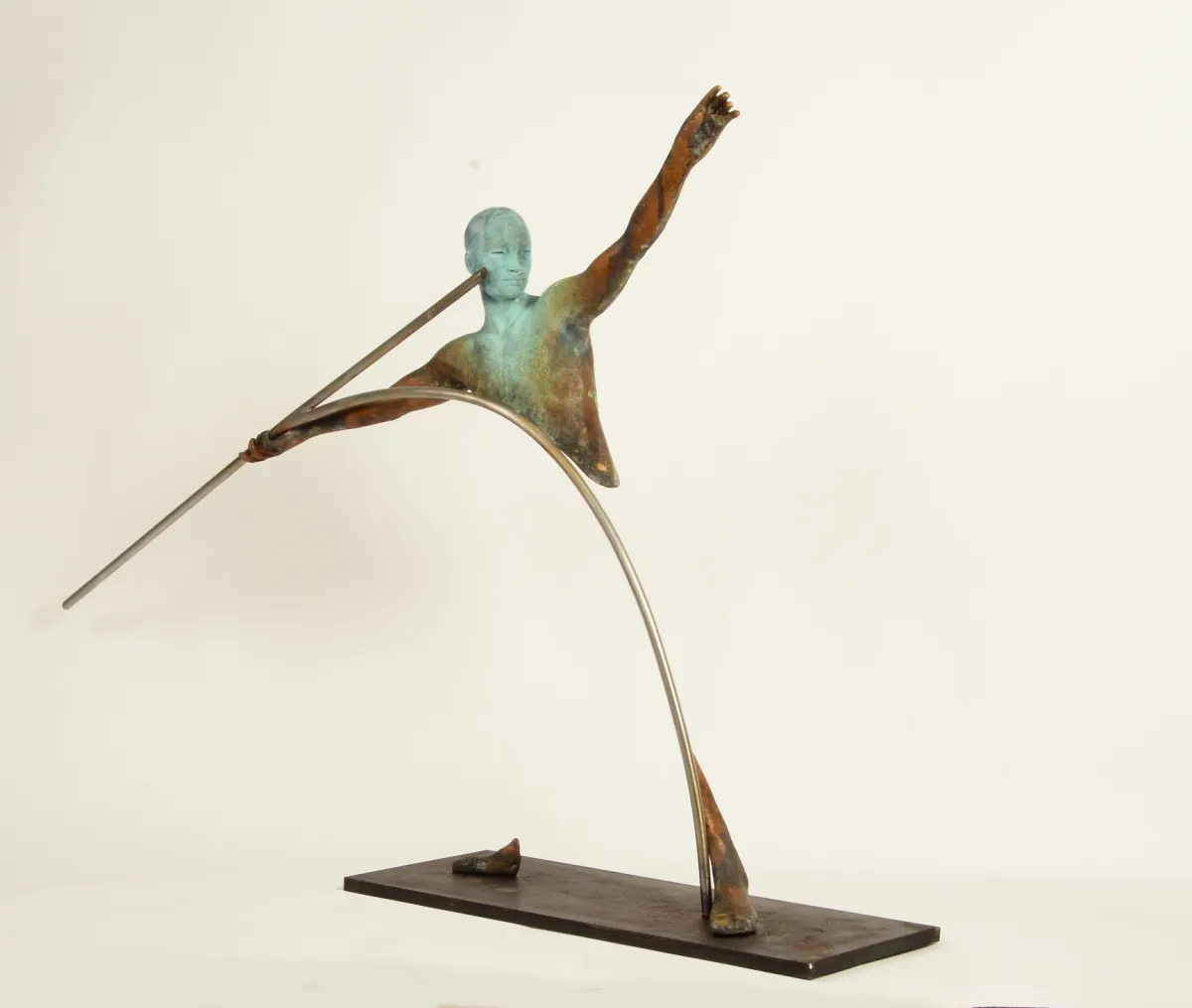
Summer Group Exhibition - Lisbon Politécnica
18 July - 15 September 2026
Lisboa - Politécnica
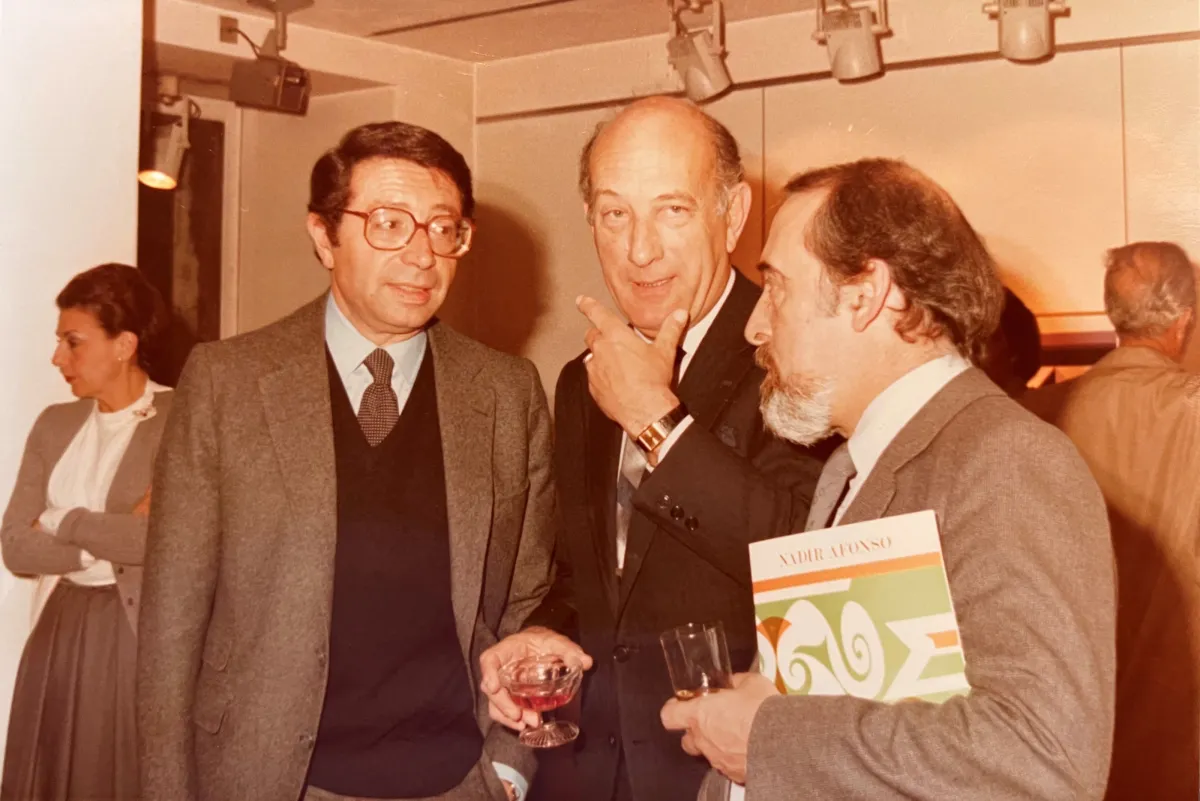
Birth Centenary
Francisco Pereira Coutinho
25 November - 8 December 2022
(1922-2006)
PartnershipSociedade Nacional de Belas-Artes
Júlio
Painting and Drawing from the 1920s to the 1970s
20 May - 30 June 2004
Lisboa - Politécnica
Júlio
Júlio (1996)
1 November - 31 December 1996
Lisboa - Politécnica
Júlio
Júlio (1982)
1 November - 31 December 1982
Lisboa - Politécnica
Júlio
Júlio (1979)
1 May - 30 June 1979
Lisboa - Politécnica
Júlio
Júlio (1973)
1 January - 31 January 1973
Lisboa - Politécnica
Júlio
Júlio (1970)
1 January - 31 January 1970
Lisboa - Politécnica
No results found.