Diversidades

Sofia Areal

Diversidades

22 May - 15 June 2026 | Lisboa - Politécnica

Scroll down

Sofia Areal

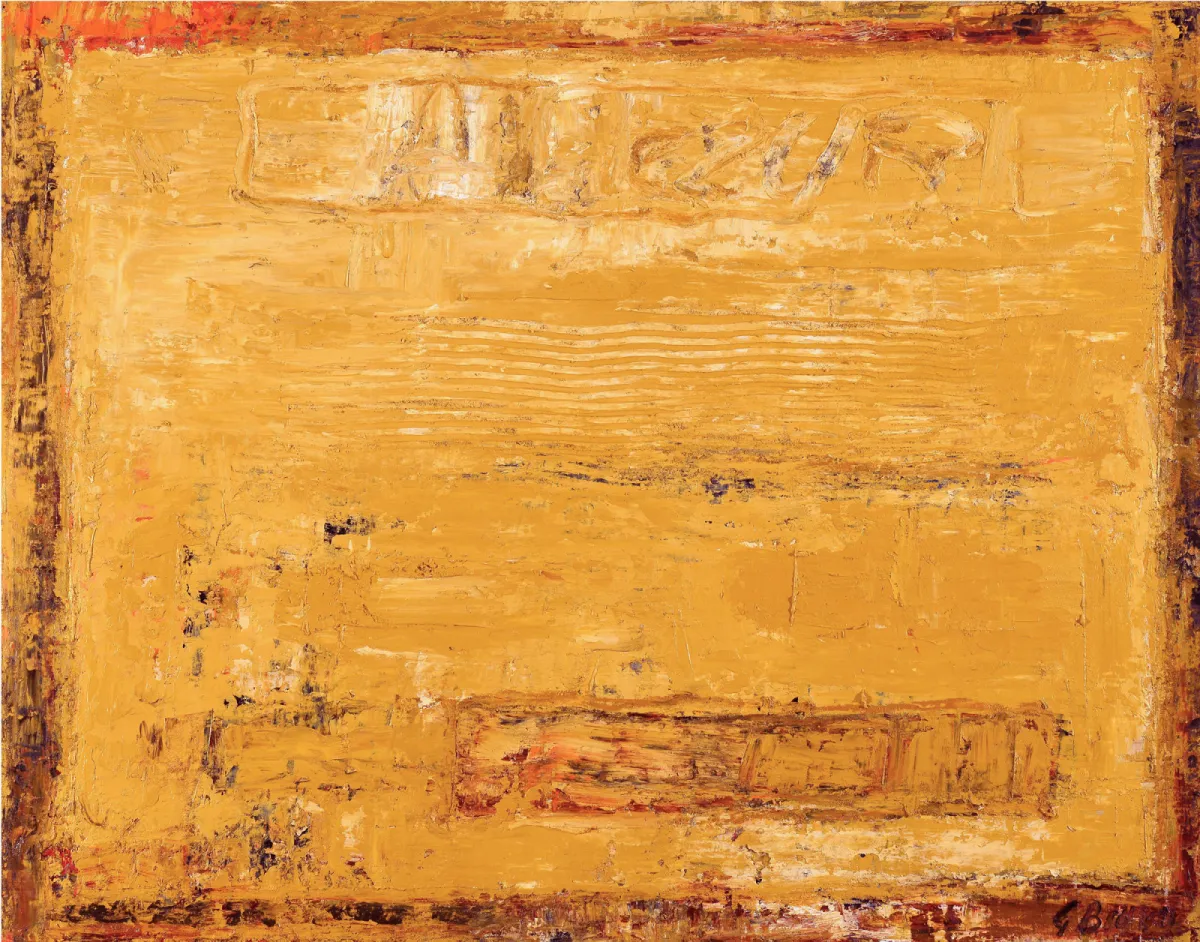
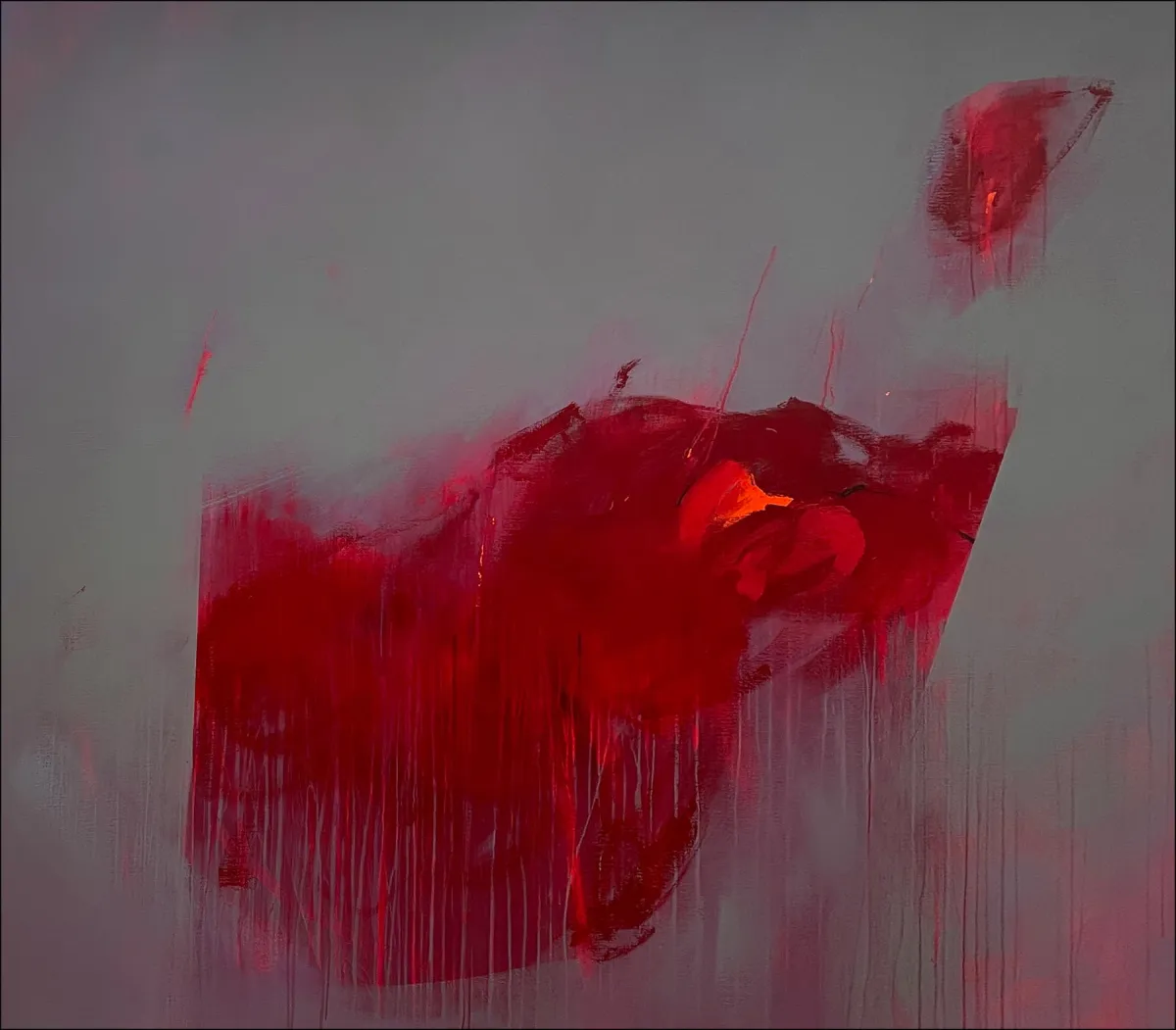
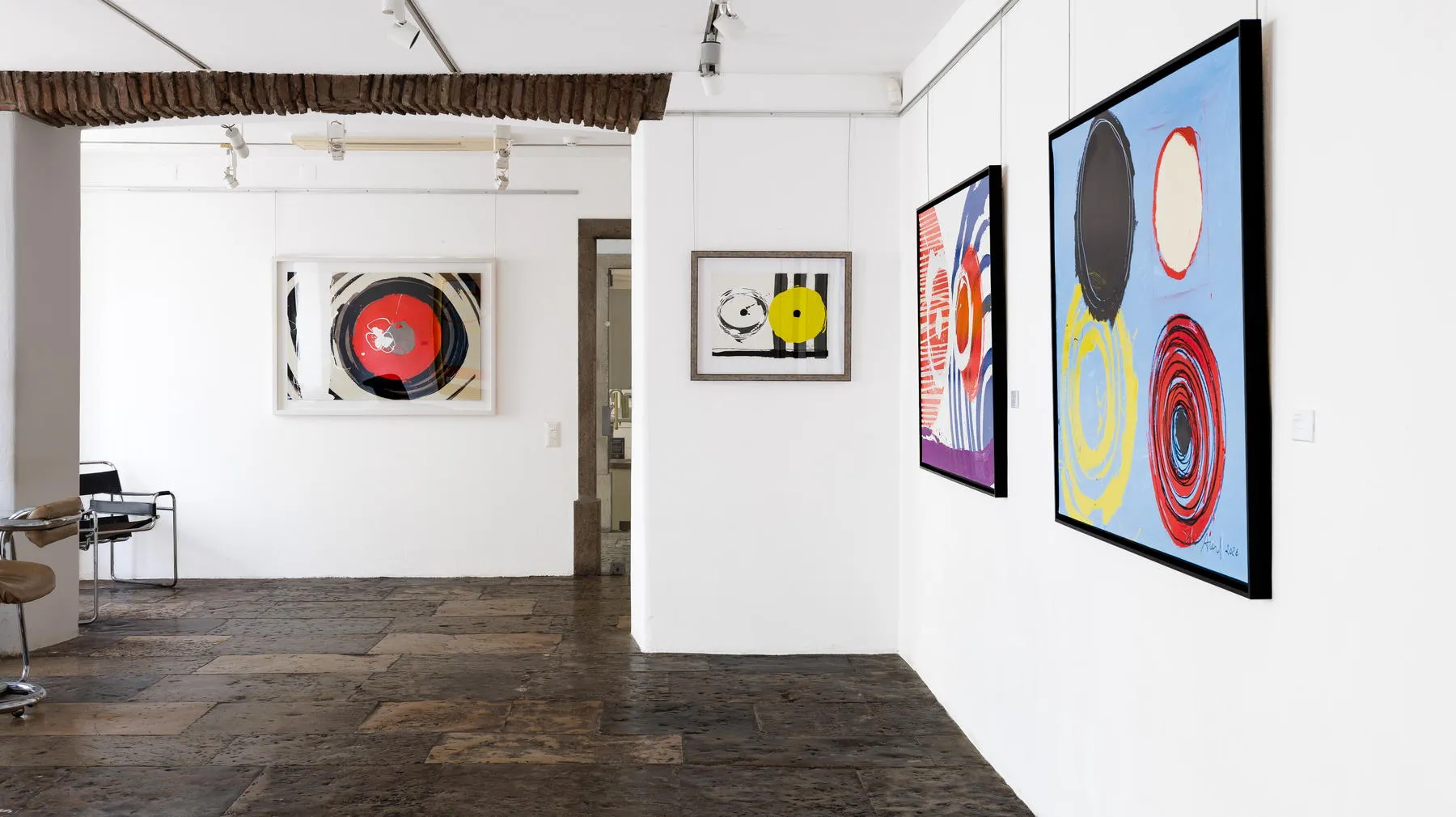
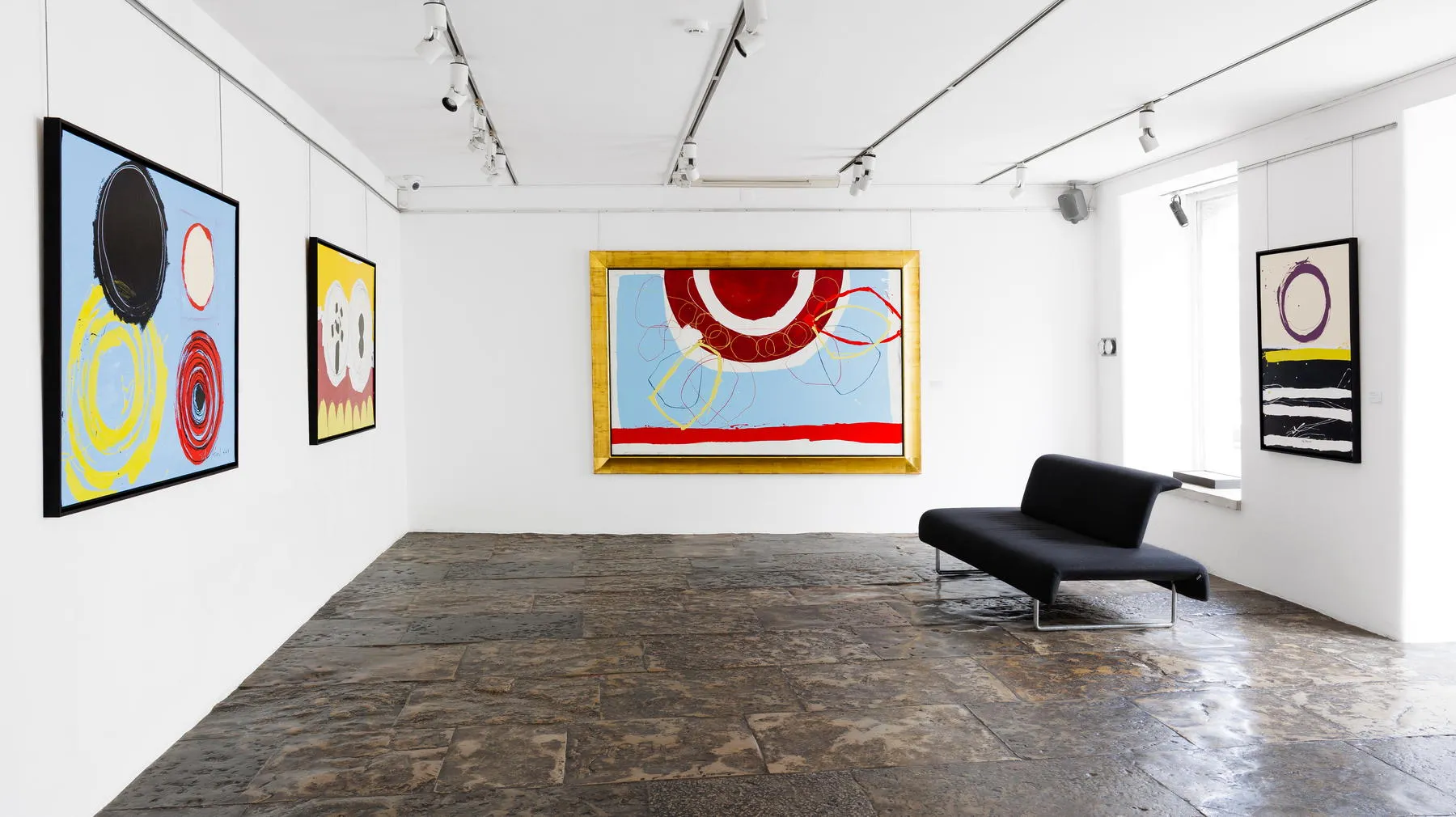
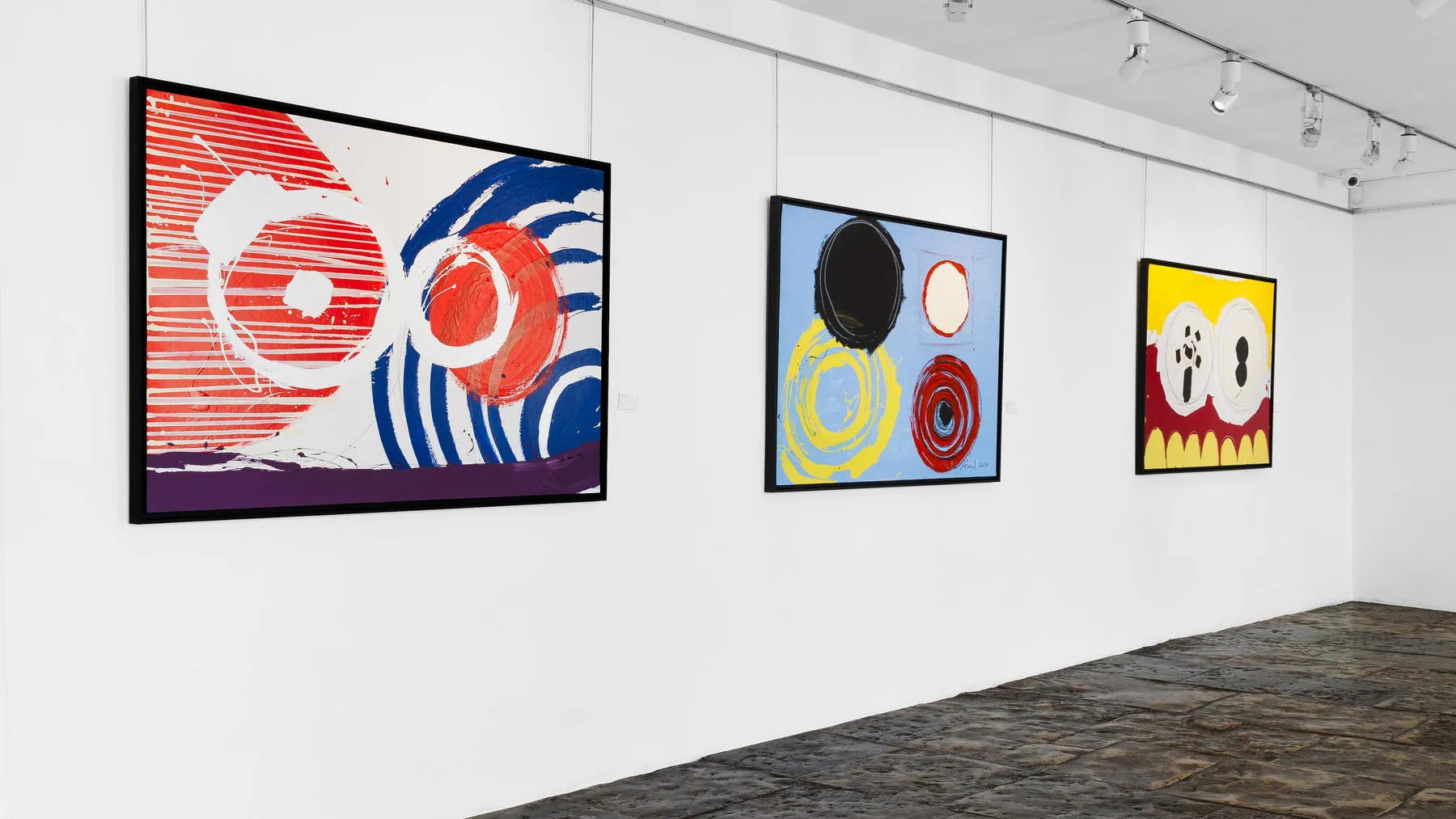
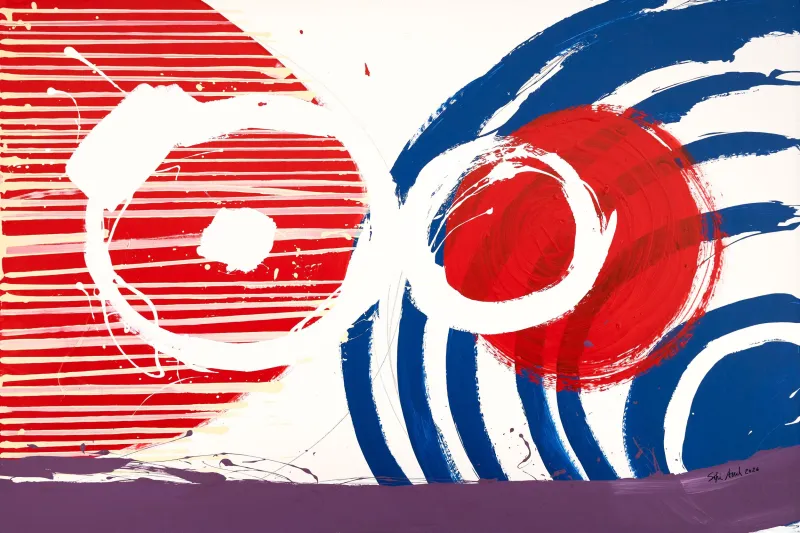
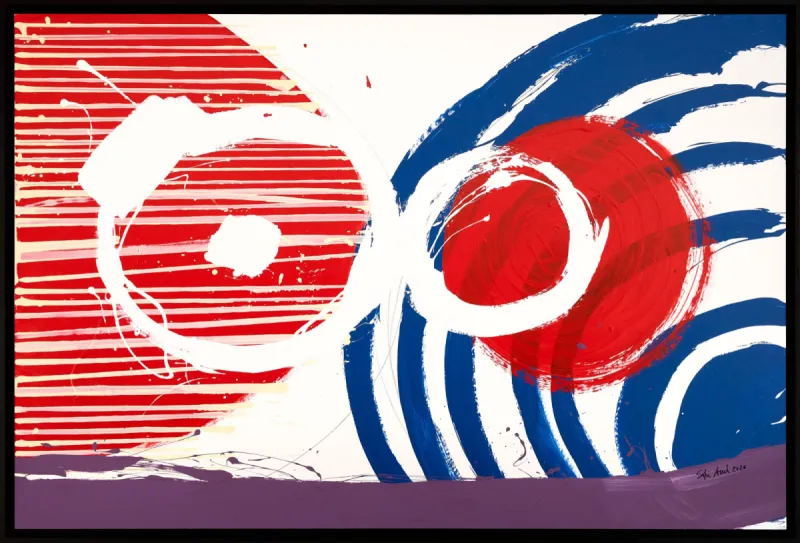
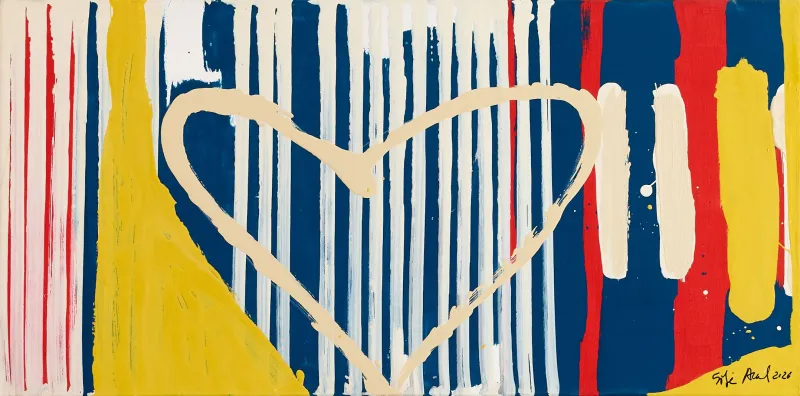
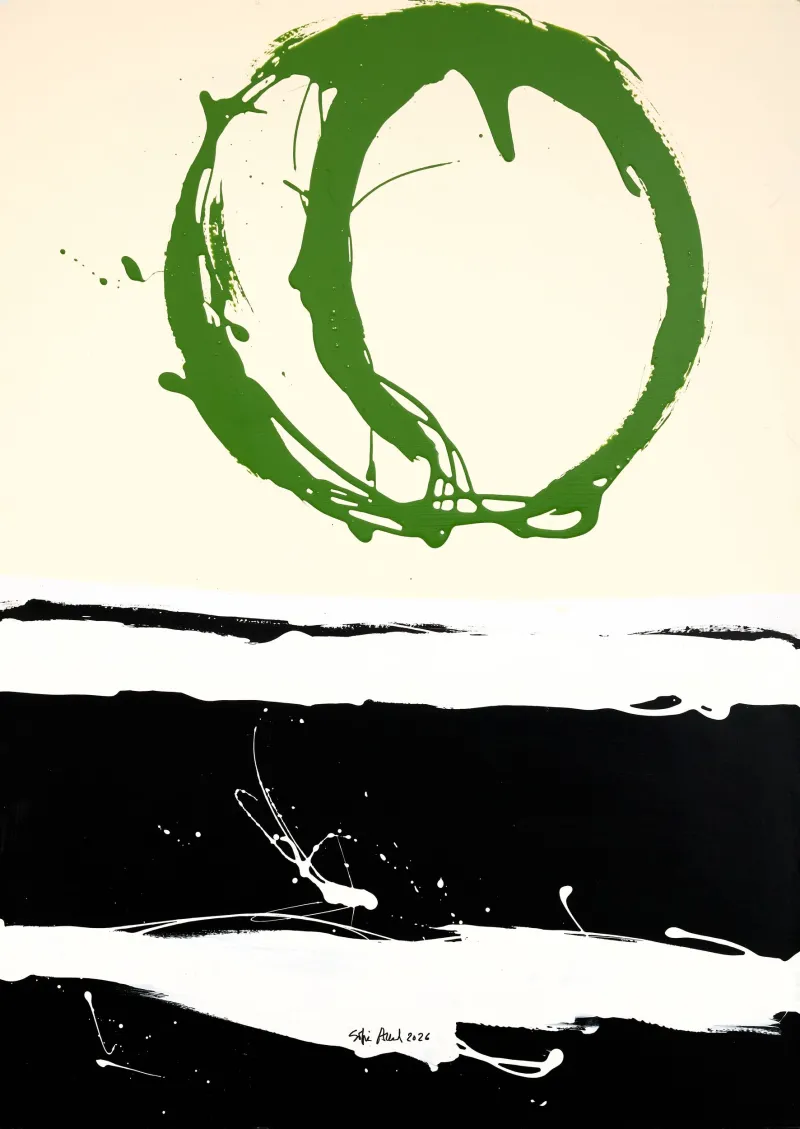
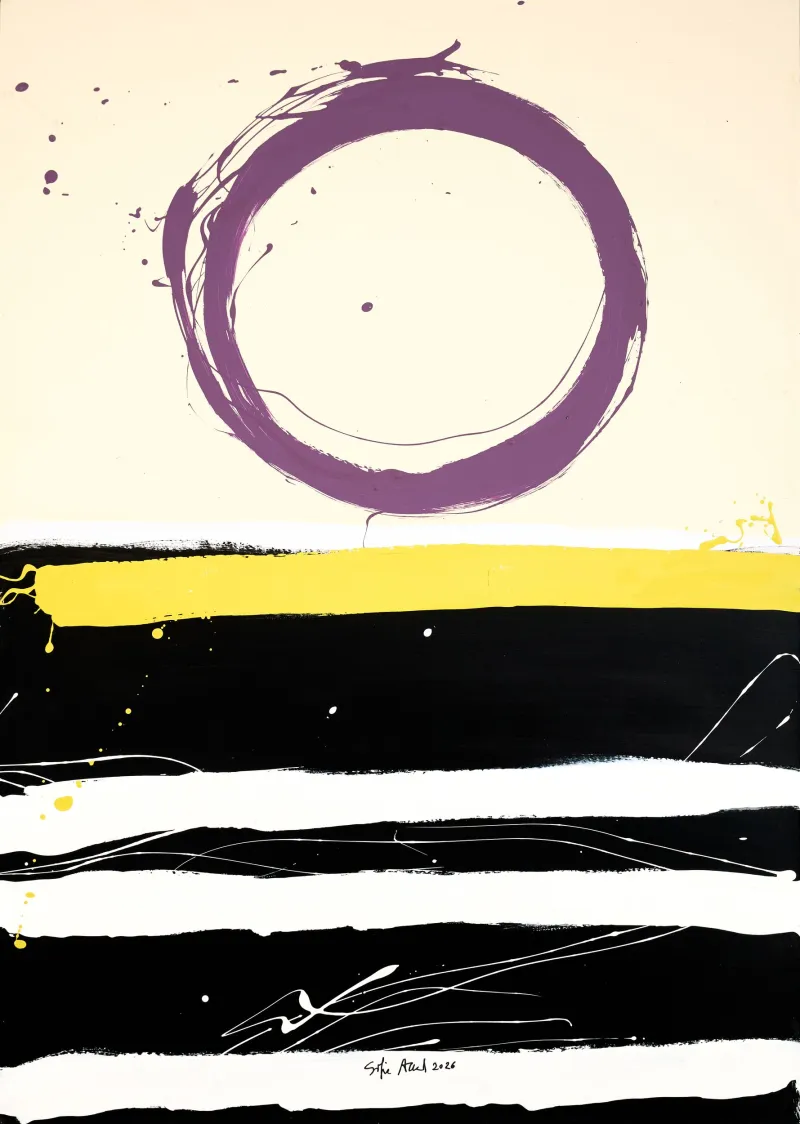
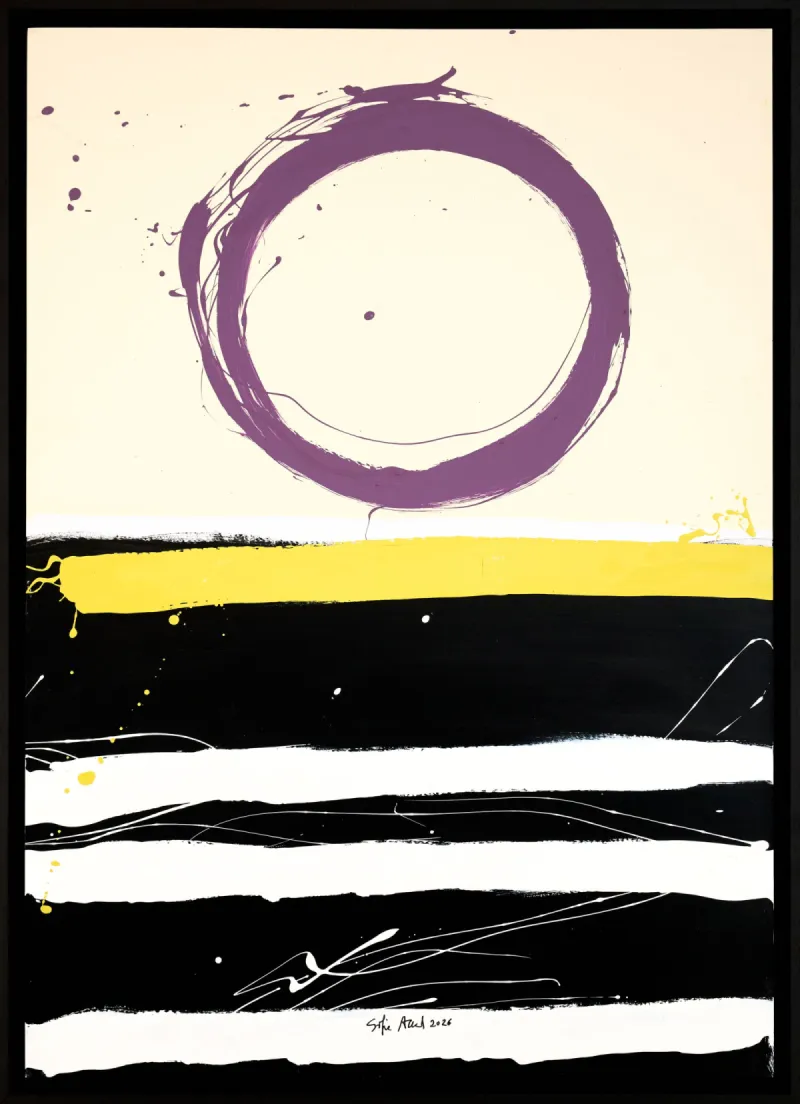
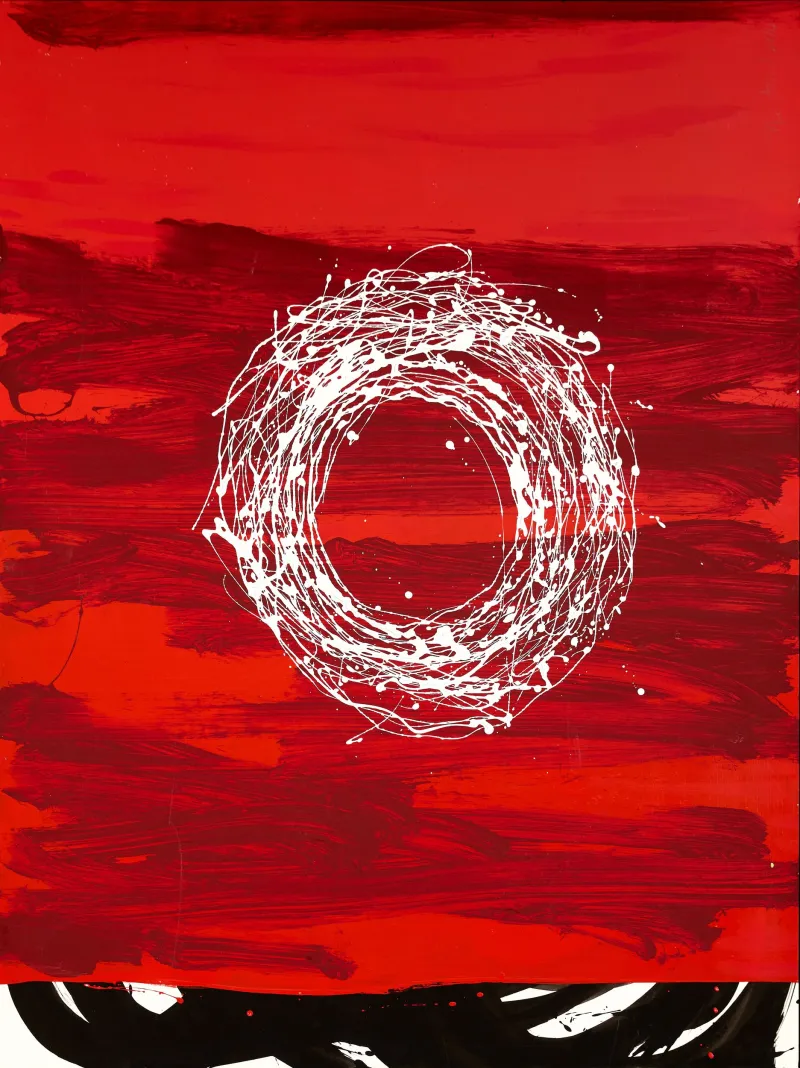
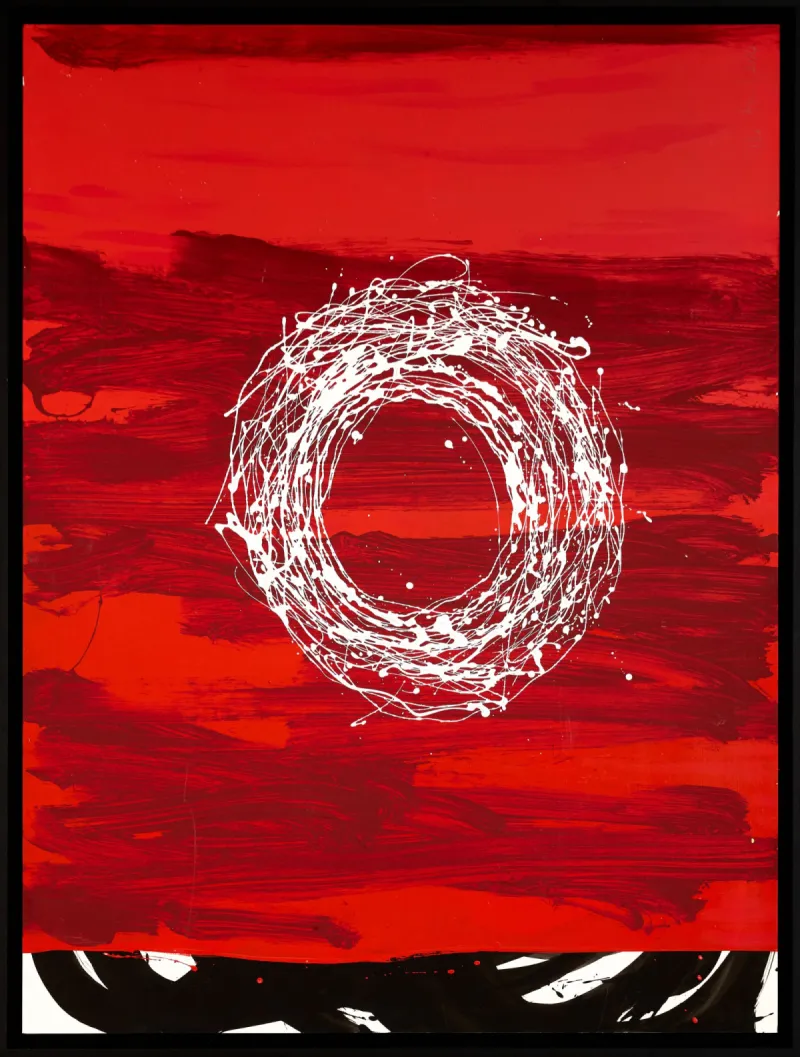
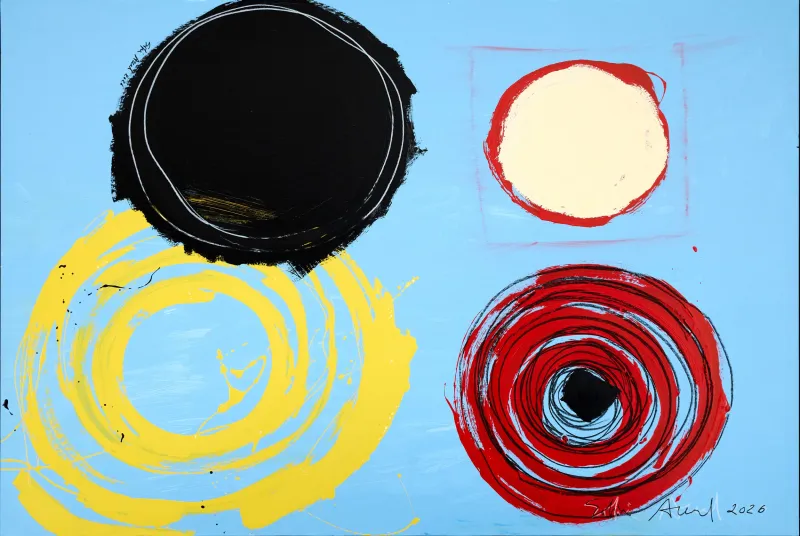
Sofia Areal's precise chaos is a spectacle to behold. Jorge Silva Melo referred to this long before renewable energy was fashionable, calling it her solar energy. Then there is Isabel Dionísio, who mentions not the invisible hand à la Adam Smith but the hand of Henri Focillon. José Luís Porfirio and others also focus on her energetic gesturality and strong colour contrasts.

What more can be said?

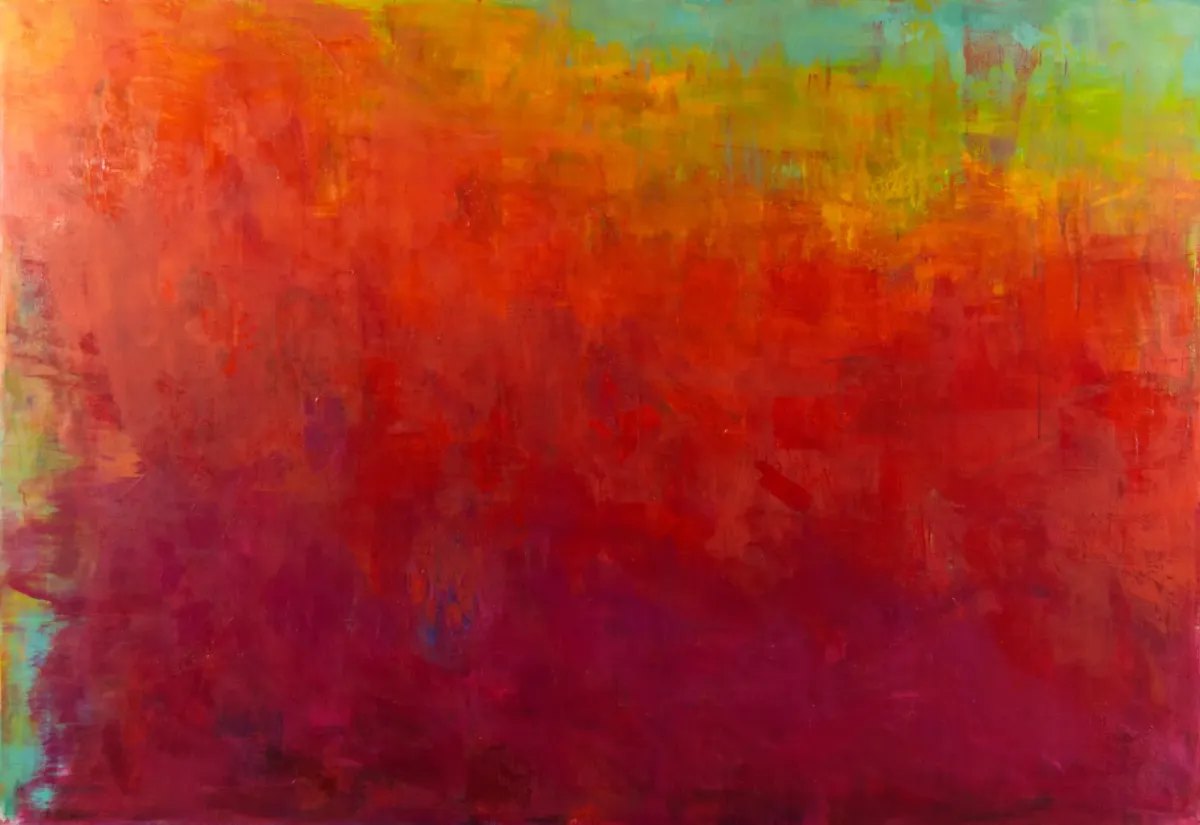
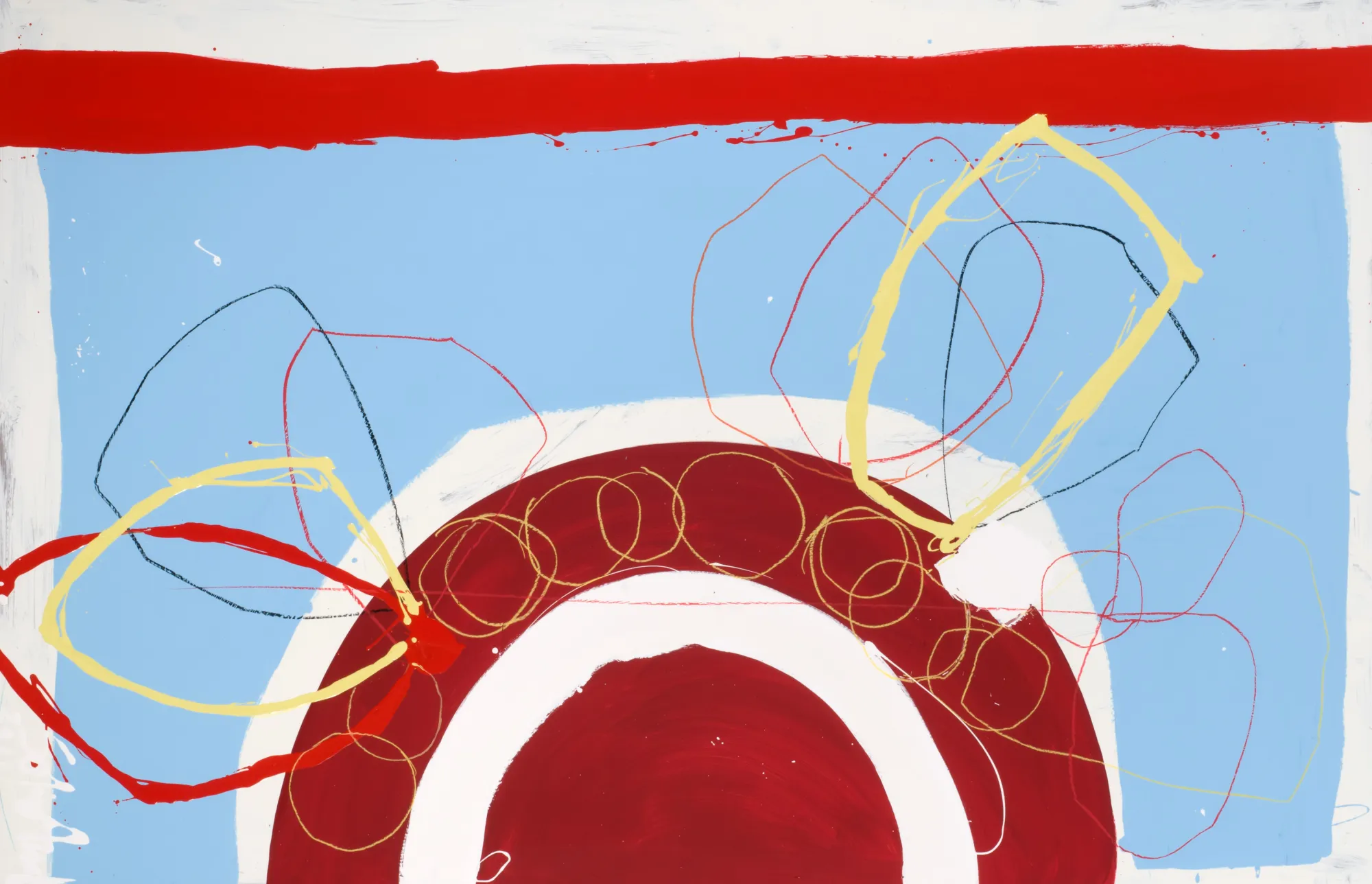
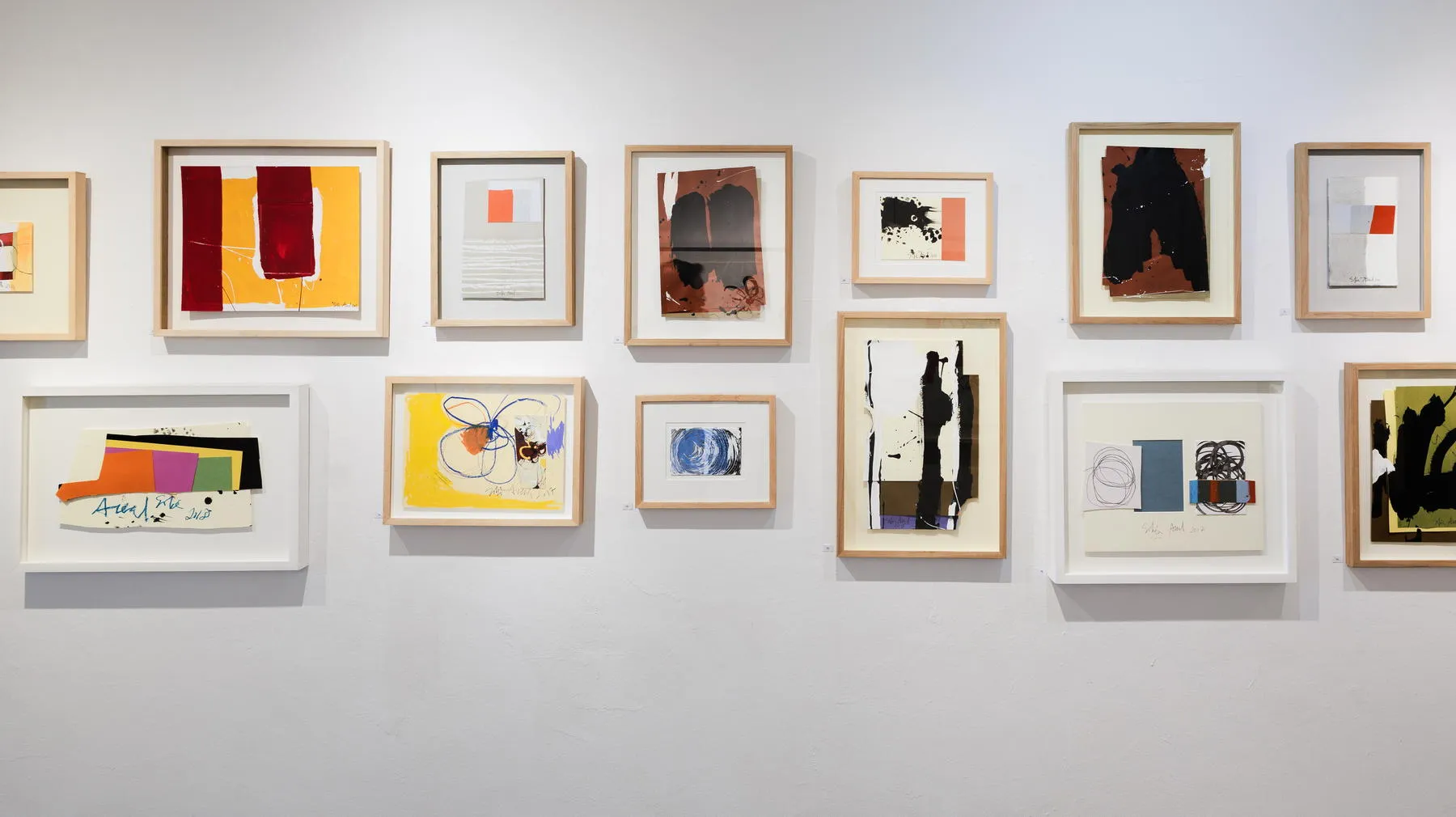
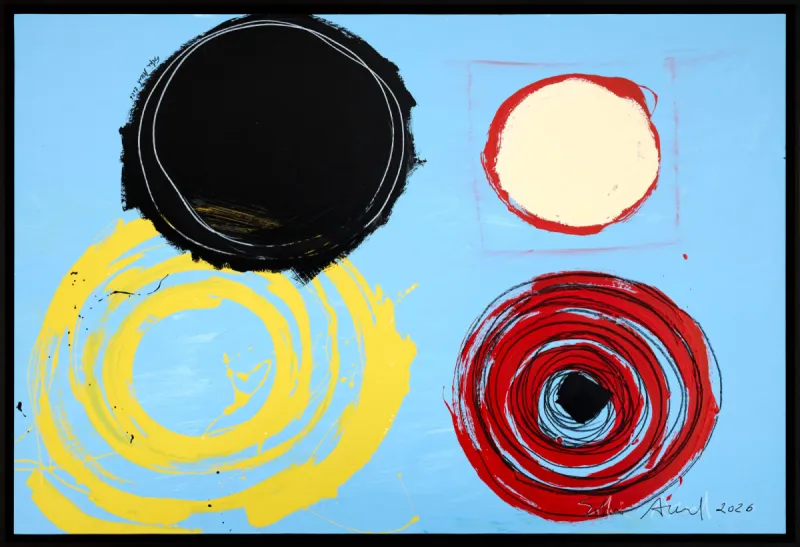
Her painting is something that has submitted to no one and to nothing; it is a pure act of the individual, of her choices, her needs and her neuroses. The full expression of a human being in visual form. Its plasticity reflects the breadth of her interests and her adaptability, its colours her intensity, its gestures her physicality and its forms her mental acuity.

Now that she is entering her mature phase, her work has consolidated. Although the level of exploration and of trial and error may be less intense, a clarity is reached. With age, one tends to crystallise - the good and the bad, minus the physicality. It is a kind of “White Night”, as Dostoevsky aptly titled his book. If the physical peak occurs in our late twenties, I would argue vehemently that the mental peak occurs in our sixties (owing to personal circumstances). It is a sublimation; it is reaching the top. After that, it is merely a Sisyphean task. This has its merits, but the stone will grow heavier every year. But does she care? No, says her work: let the stone slide down the hill. Making art is always a Sisyphean task, but true artistic freedom is to accept this and let it roll - in this case, the stone.

And so, the stage is set. Now, let us return to the original task at hand.

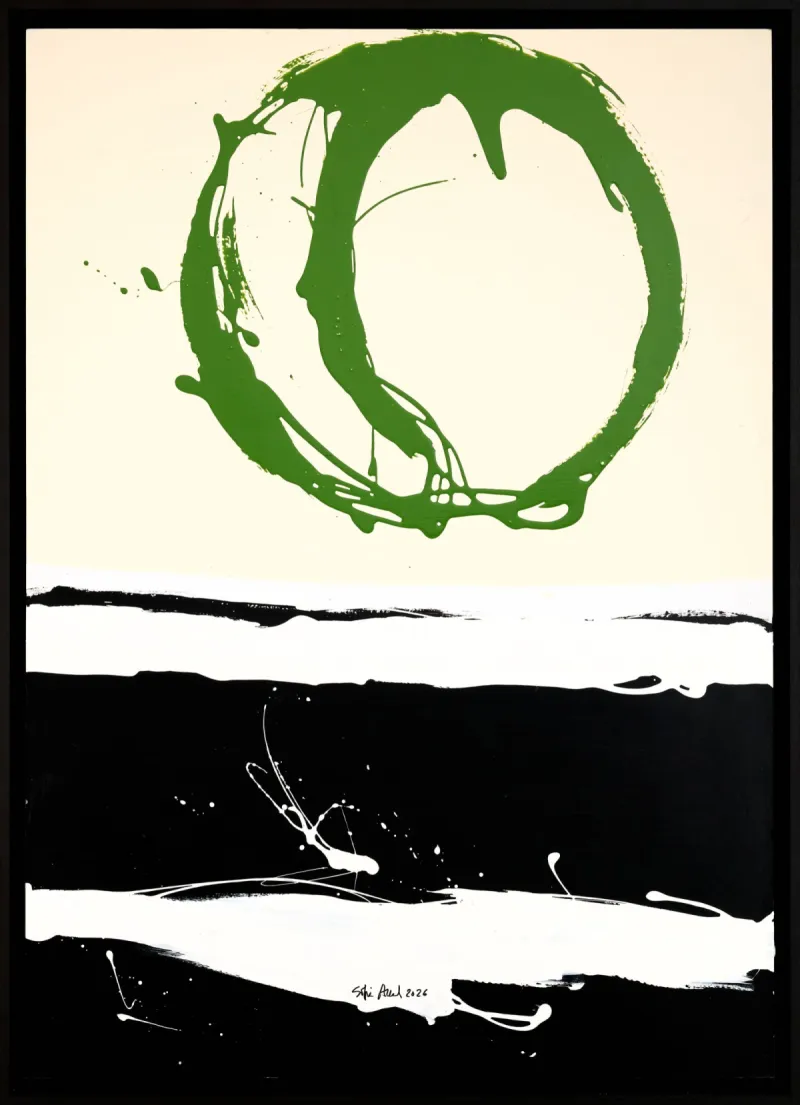
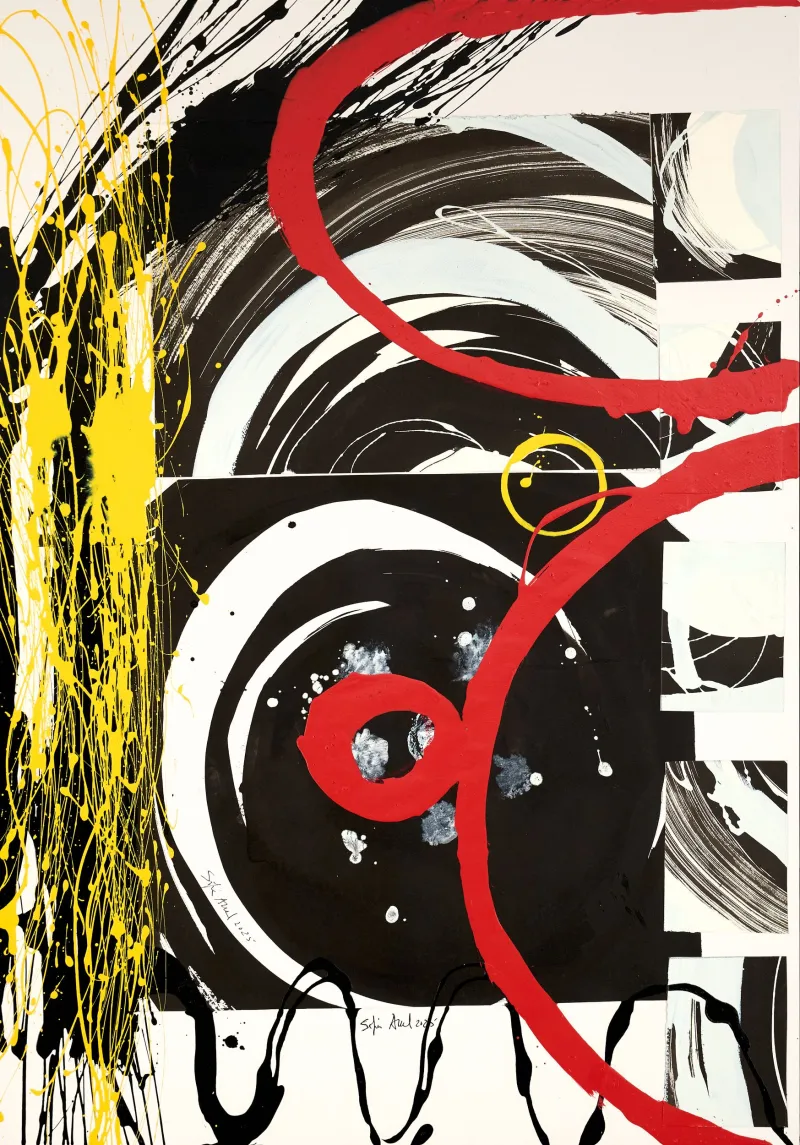
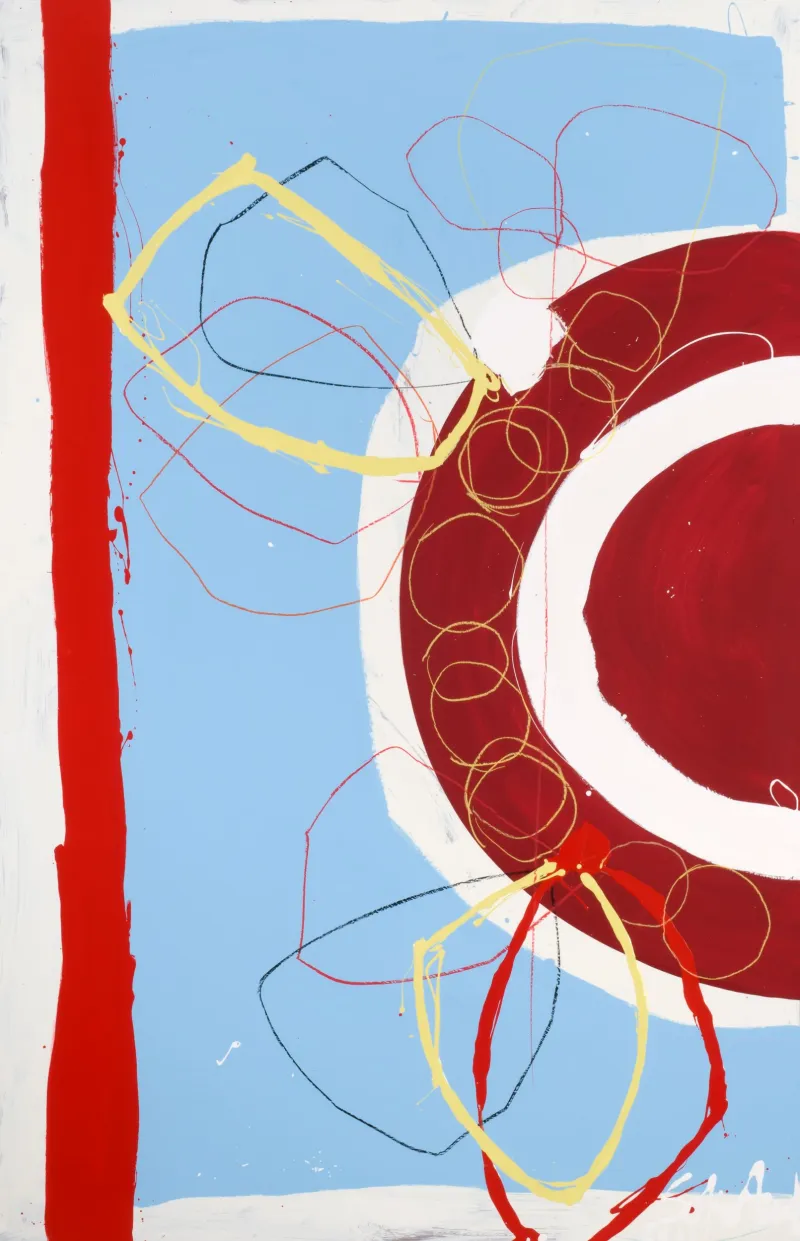
In this exhibition, we witness a sublimation. The work has matured; it is now the work of a veteran, whose hand does not tremble but strikes firmly. The old illusions vanished long ago, so we see the raw, real and exposed core of a person who has devoted 45 years of her life to her art. She has run the marathon of art, and we are now on the home straight. It depends on how we approach it. Sofia is biding her time; there is still more to come. I would say this is her first mature exhibition. She has crossed a line; it is her Rubicon. From here on, we can expect the same, but with a difference. This variation can only add, not subtract. Change is the only constant, and Areal has changed - hence her work has changed too. Do we still see the old patterns and approaches? Of course we do. Do we still recognise the gestures that Emília Ferreira so often mentioned? Without a doubt. Yet this is not the work of old; it is a more mature interpretation. The lines are sharper, the circles are even more perfect, and the colour mixtures are even more contrasting and skilfully layered.

It is a debate won in the midst of an inner civil war, of the fear of death and of the emphasis on artistic relevance. We are relevant because we fear death. It envelops us the moment we are born; one need only read a little Cioran. All will perish, but that is merely part of a circular cycle. Sofia Areal is simply moving through that cycle, and this cycle still has much to offer, to surprise and to impress. I know I am impressed, and so I hope you will be too, for I would be terribly unhappy if I were alone in my death-encompassed life.

Clement Marcuse, April 2026, Unterdenberg


Diversidades
Diversidades
Diversidades
Diversidades
Diversidades

Artworks

Bio

Sofia Areal
Sofia Areal

Training: AR.CO, Centro de Arte e Comunicação Visual, Lisbon (1981-83); Herefordshire College of Art & Design, United Kingdom (Foundation Course, 1979-80; Textile Design, 1978-79).

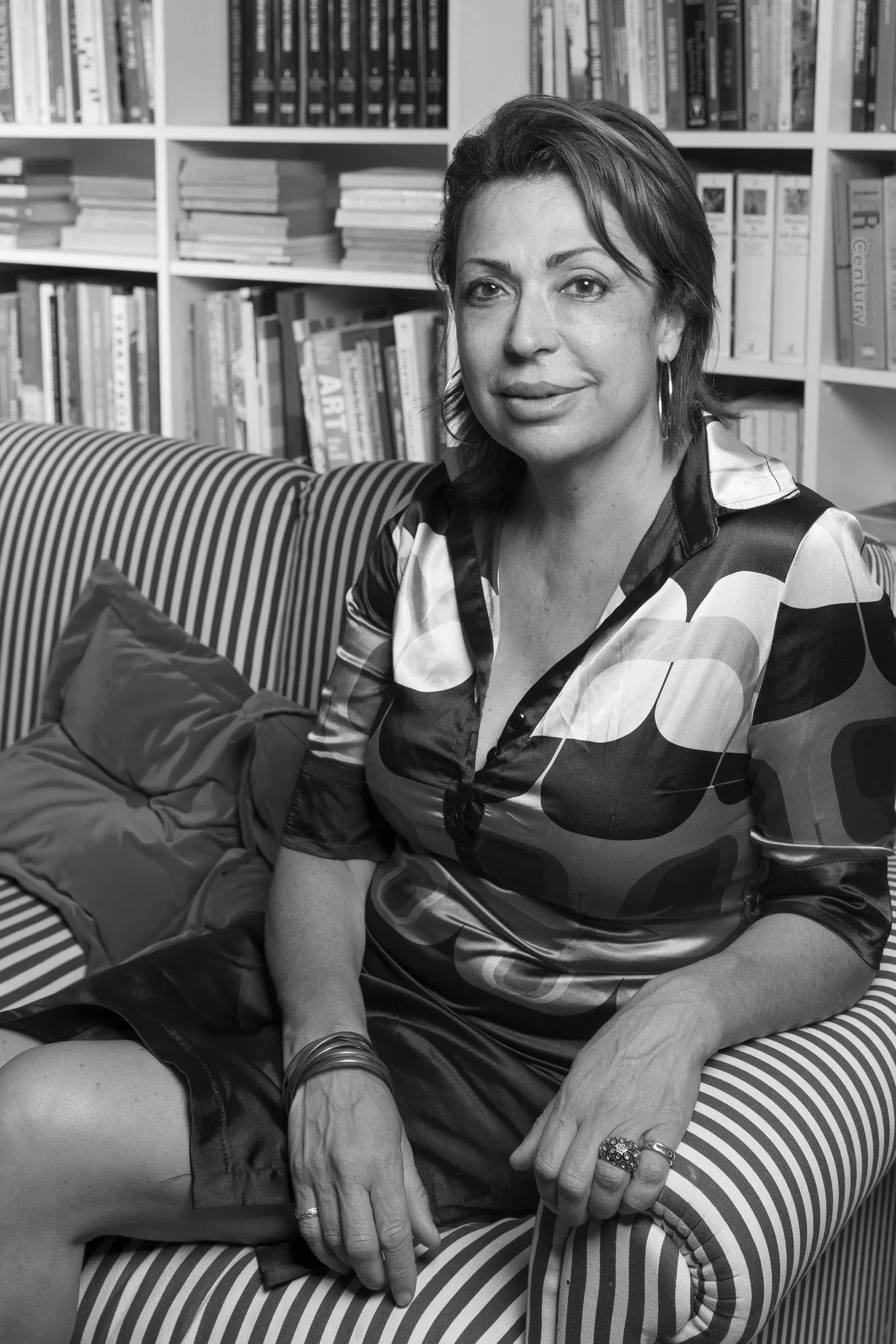
An artist with a consistent trajectory in painting and drawing since the end of the 1980s, Sofia Areal develops a practice centred on the relationship between colour, gesture and language, in which the textual dimension (often fragmentary, ironic or confessional) appears as an extension of pictorial thought. Her work oscillates between the intimate and the public, between the spontaneity of gesture and a rigorous construction of space, articulating autobiographical references with a wider imaginary that is at times narrative and literary. Over the past decades she has consolidated a language of her own, marked by a constant tension between impulse and restraint, in which drawing and writing take on a structuring role.

Solo exhibitions (selection): "Alta Voltagem", Galeria São Mamede, Lisbon and Porto (2023); Fundação Carmona e Costa, Lisbon (2021); Centro Cultural Português, Luxembourg (2019); Ordem dos Arquitectos, Funchal (2018); Museu do Oriente, Lisbon (2016); Fundação Oriente, Macau (2014); Cordoaria Nacional, Lisbon (2011); Centro Cultural de Cascais (2006); Palácio Nacional de Queluz (2005); Casa da Cerca, Centro de Arte Contemporânea, Almada (2002, 2000).

Group exhibitions (selection): Fundação Calouste Gulbenkian, Lisbon (2021, 1999); Fundação de Serralves, Porto (2017); Museu Nacional de Arte Contemporânea, Museu do Chiado, Lisbon (2015); Fundação Arpad Szenes-Vieira da Silva, Lisbon (2019); Centro Cultural de Lagos (2021); regular participation in international fairs such as ARCO Madrid and Art Basel (2001, 2002).

Collections (selection): Centro de Arte Moderna, Fundação Calouste Gulbenkian; Fundação de Serralves; Fundação Carmona e Costa; Fundação Oriente (Lisbon and Macau); Museu de Arte Contemporânea de Elvas, Coleção António Cachola; Museu de Arte Contemporânea do Funchal; Casa da Cerca, Centro de Arte Contemporânea; Fundação Millennium BCP; Coleção Vodafone; among other public and private collections.

Alongside her artistic practice, she has developed public art projects, design work and collaborations with institutions and brands, including Vista Alegre, as well as editorial work, with publications and participation in documentary projects dedicated to art and creativity.