Bio
Moita Macedo
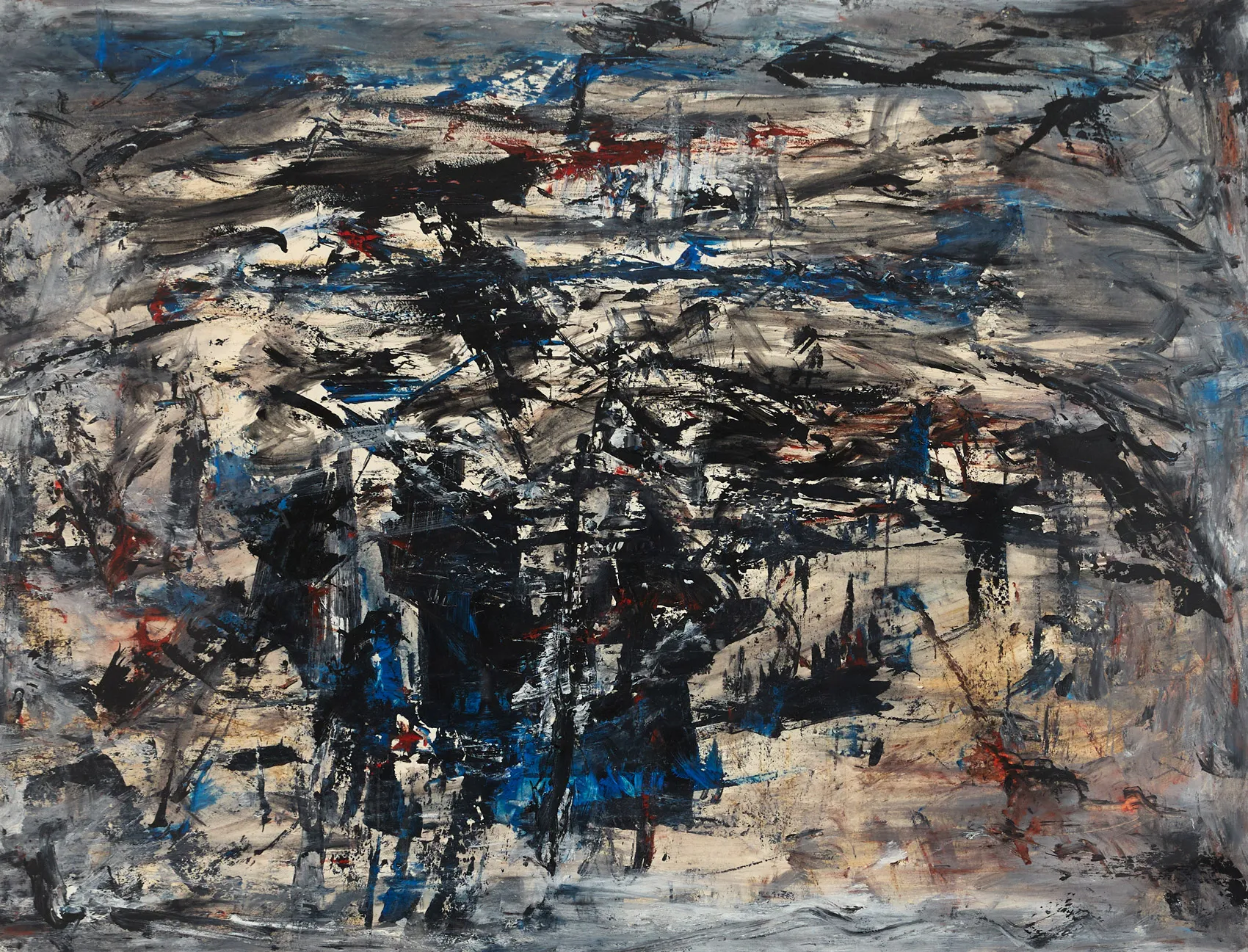
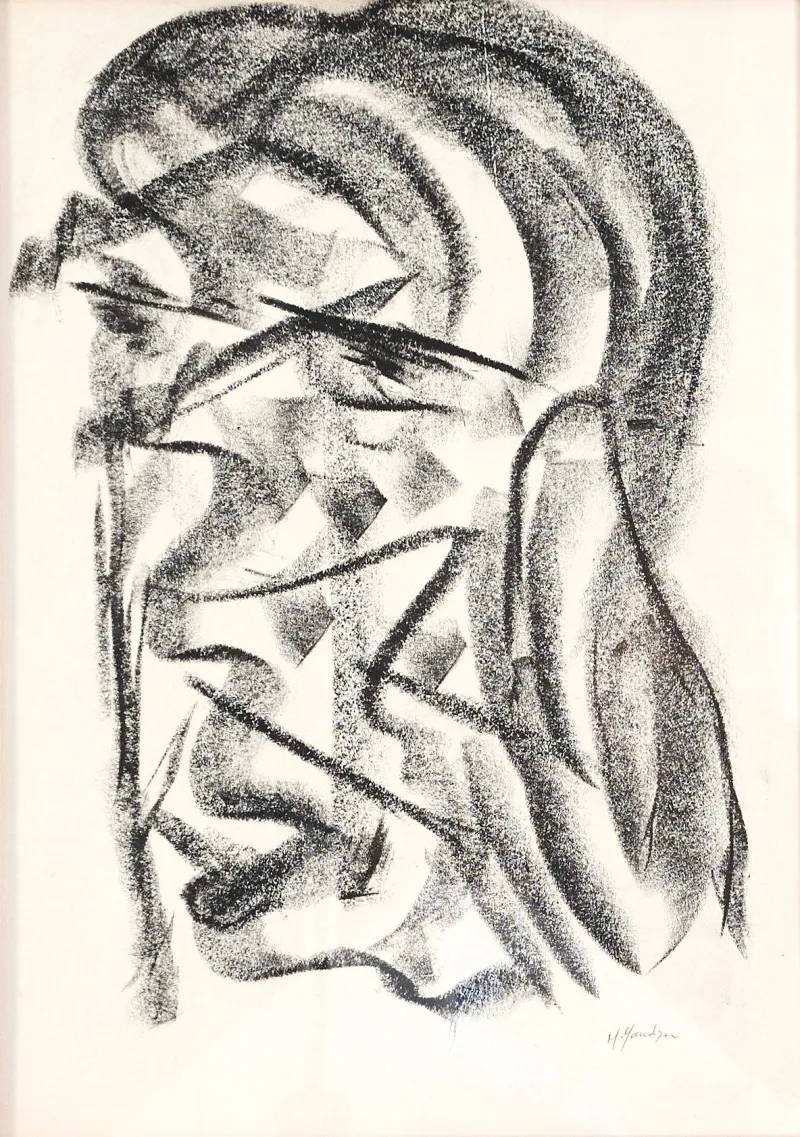
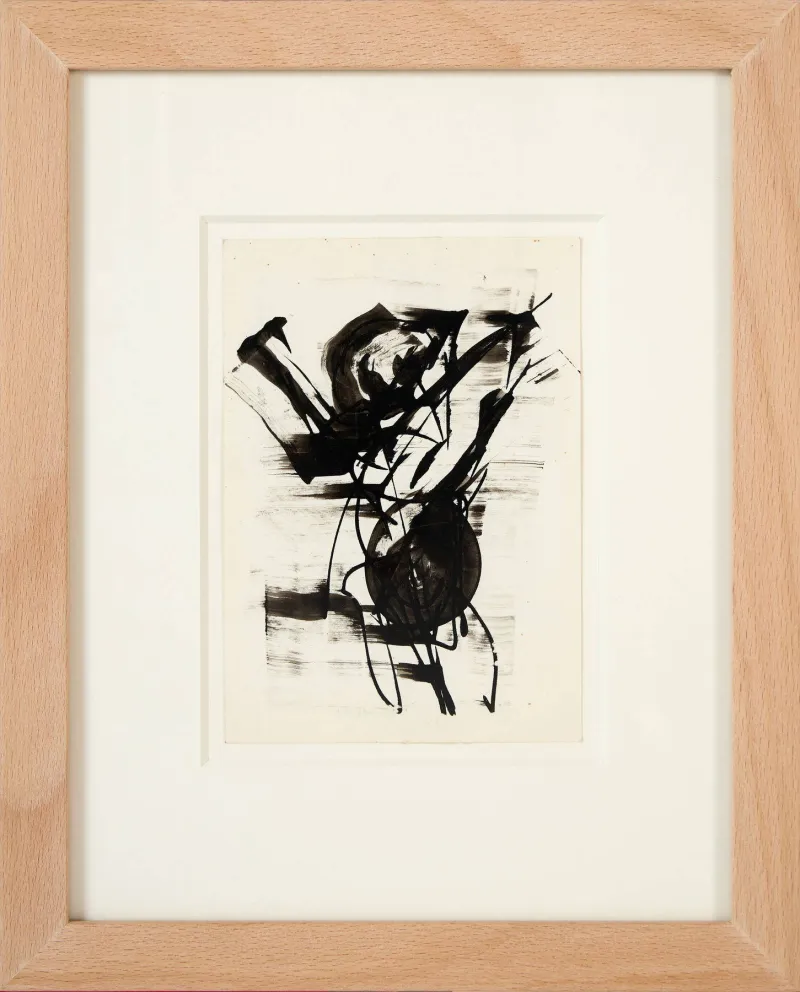
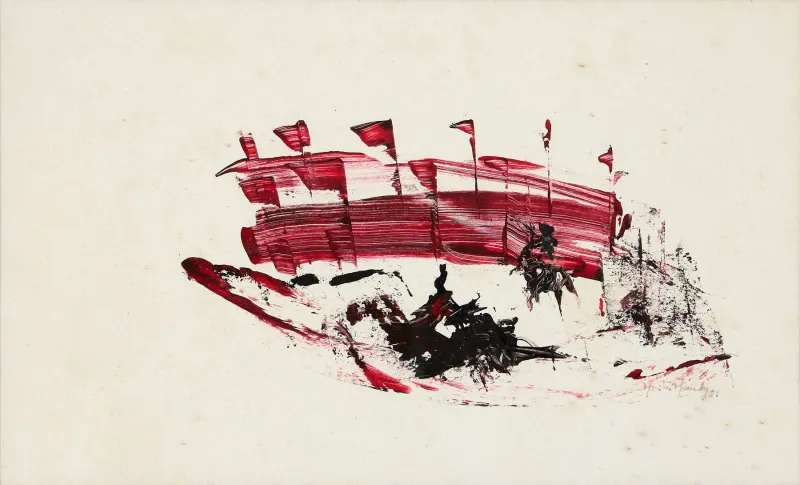
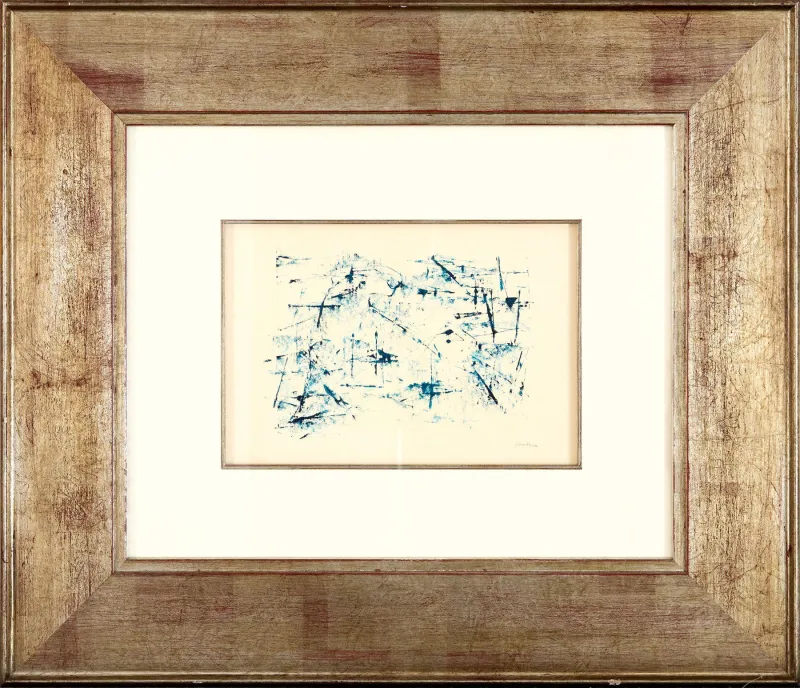
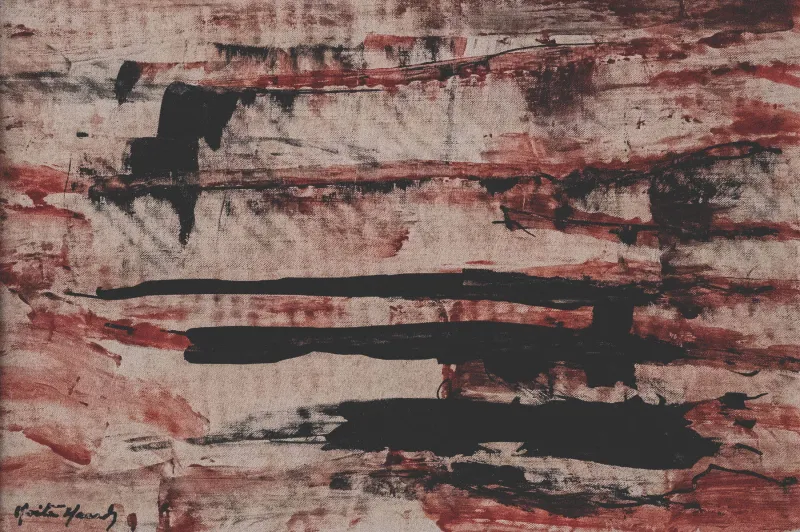
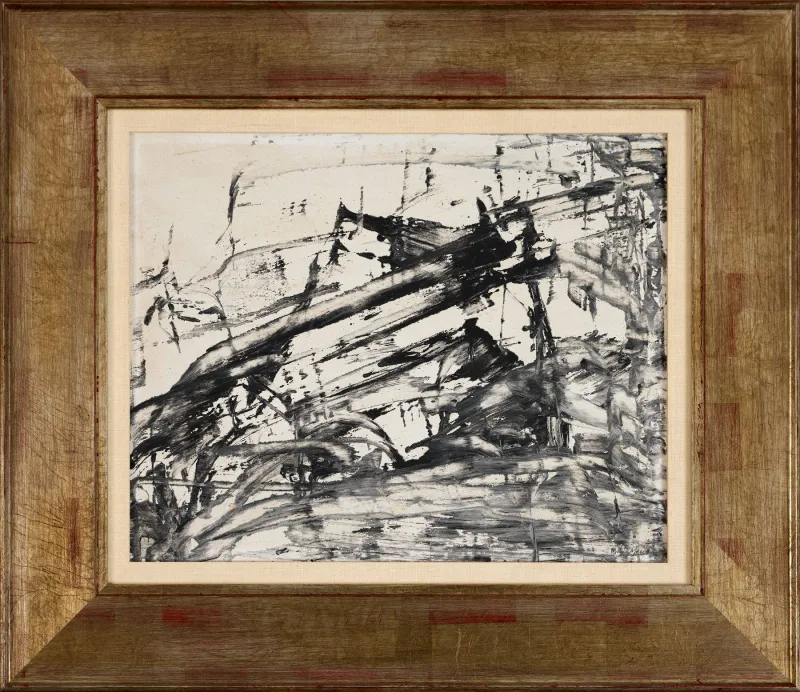
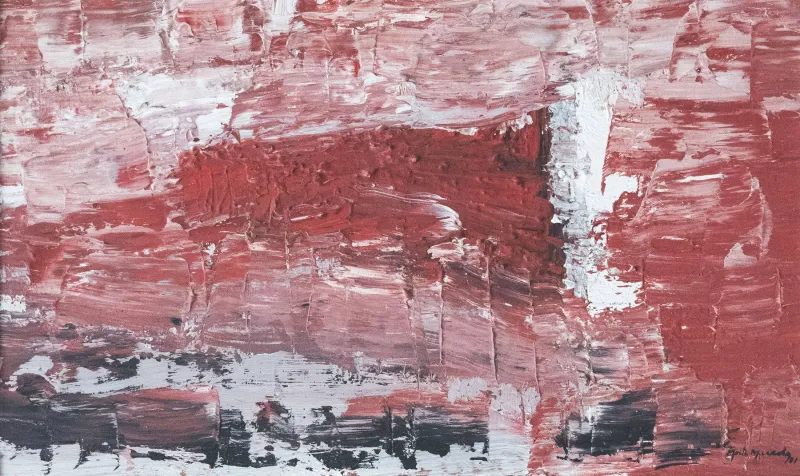
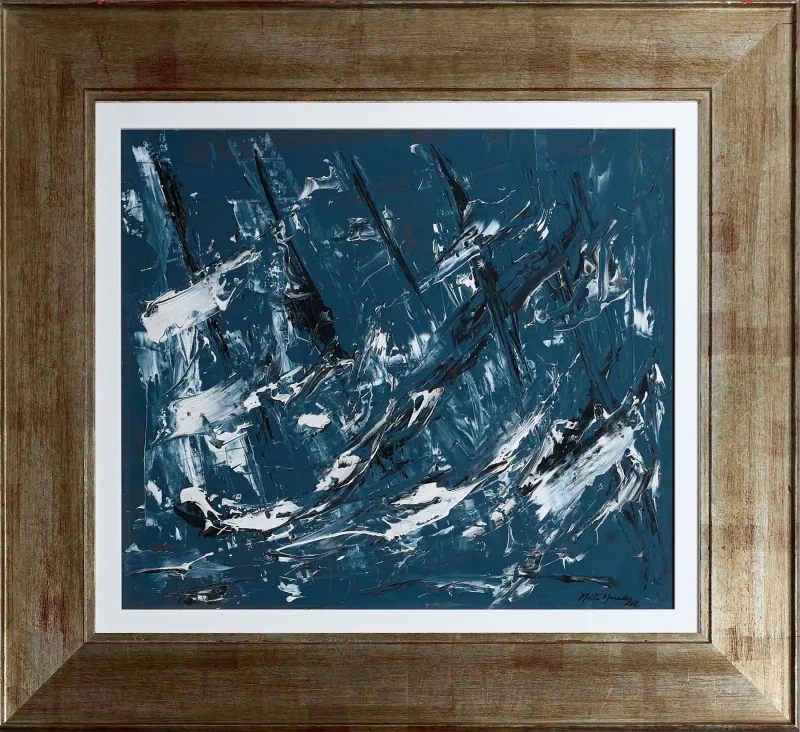
José Albano Pontes Santos Moita Morais de Macedo, known artistically as Moita Macedo (Benfica do Ribatejo, 1930 - Lisbon, 1983), was a painter, sculptor, engraver, poet and cultural promoter, who followed a singular path in Portuguese art of the second half of the twentieth century.
From an early age he showed an interest in drawing and artistic creation, an experience he deepened during his period of military service in Portuguese India, where he worked with local craftsmen in clay and ivory and carried out restoration work. Later, his professional activity at the Siderurgia Nacional would deeply mark his relationship with material, influencing the incorporation of iron and steel into his artistic practice.
His training was marked by contact with some of the fundamental figures of twentieth-century Portuguese art. In 1963 he attended the Cooperativa Gravura, where he studied engraving techniques and carried out experiments on glass, becoming close in that period to Almada Negreiros. A few years later, his encounter with Artur Bual proved decisive for his move towards informalist and gestural languages, which would become central to his work.
Moita Macedo’s artistic practice developed across painting, sculpture, engraving and writing, exploring relationships between material, gesture and the poetic construction of the image. Alongside his artistic production, he was intensely active culturally as director of the Galerias Futura and Opinião, as an illustrator, an author of critical texts and a poet, publishing the book Cantares de Amigo in 1983.
Throughout his career he presented numerous solo exhibitions in galleries, museums and institutions in Portugal and abroad. Interest in his work remained particularly alive after his death, resulting in important retrospective and anthological exhibitions held at institutions such as the Fundação Arpad Szenes - Vieira da Silva, the MEIAC in Badajoz, the Fundação D. Luís I, the MU.SA - Museu das Artes de Sintra and Galeria São Mamede, among others.