Bio
António Charrua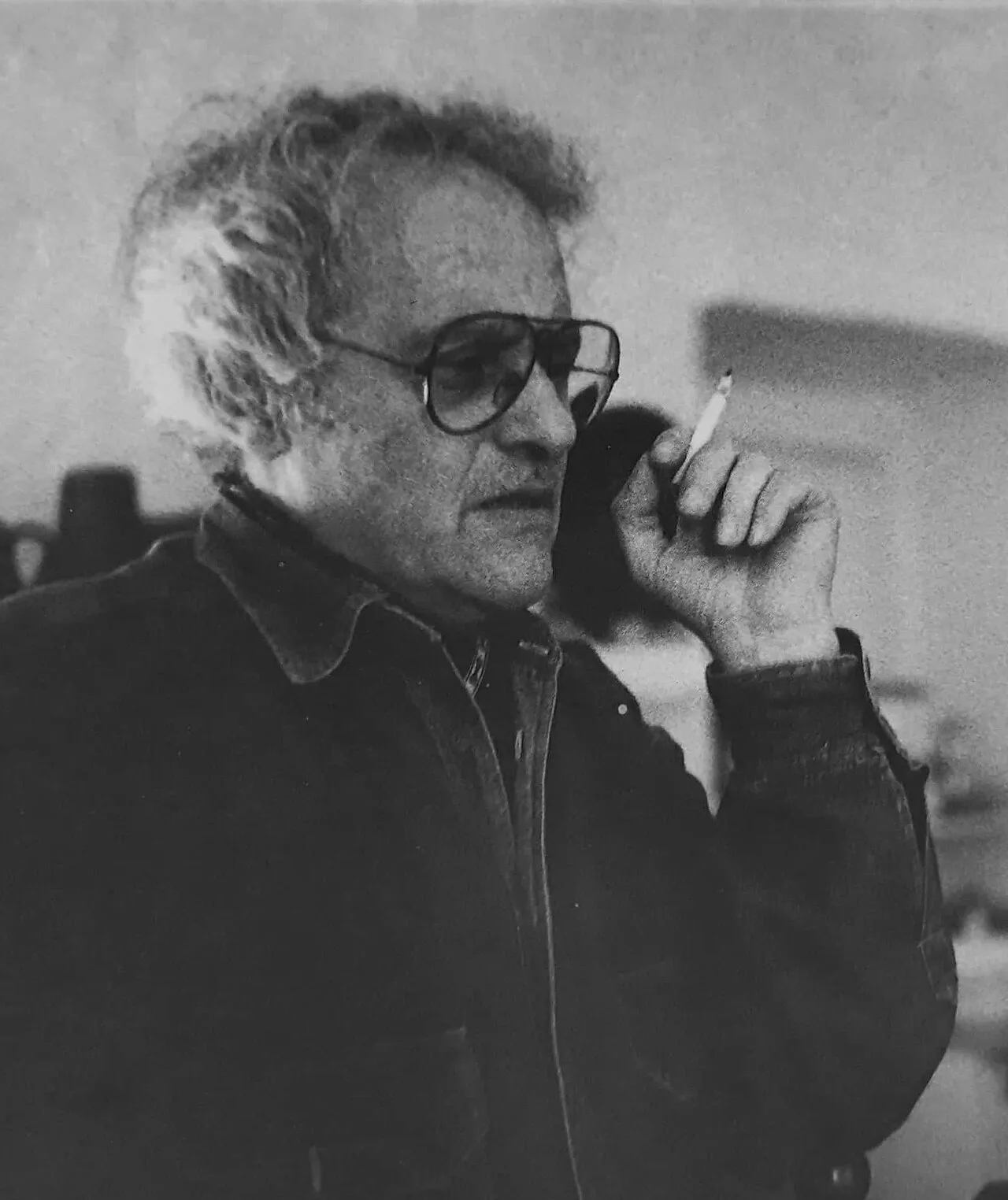
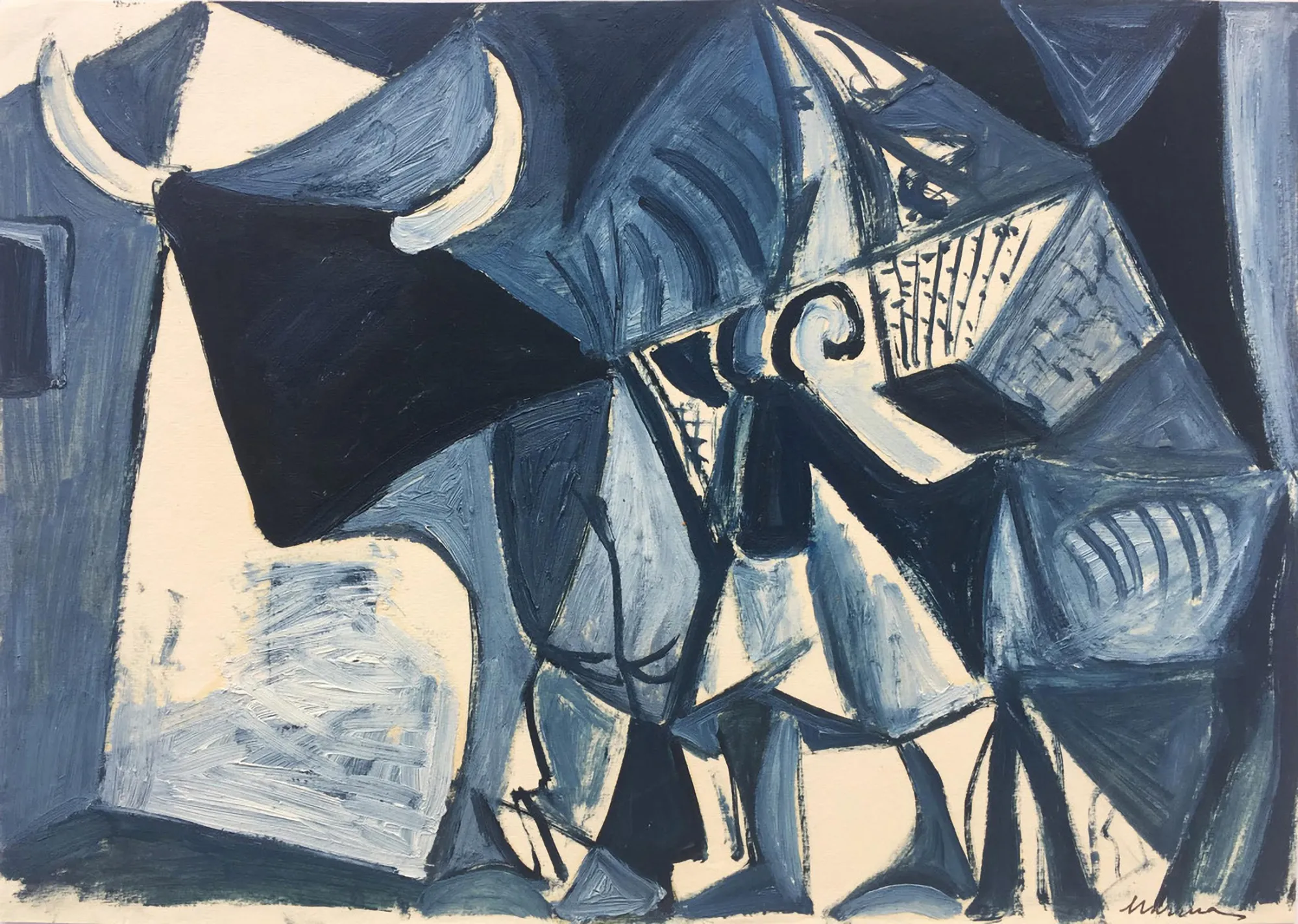
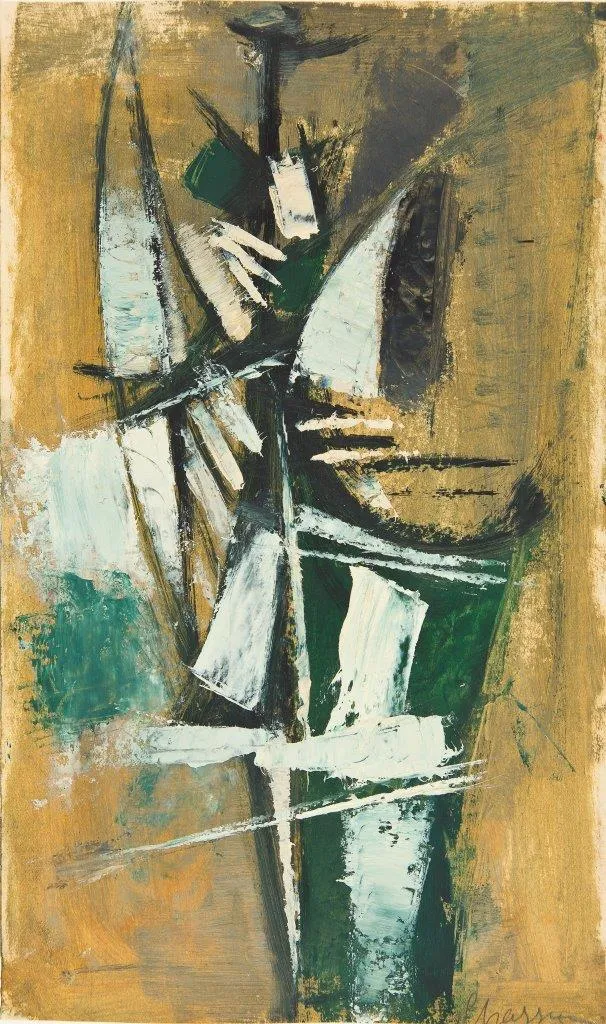
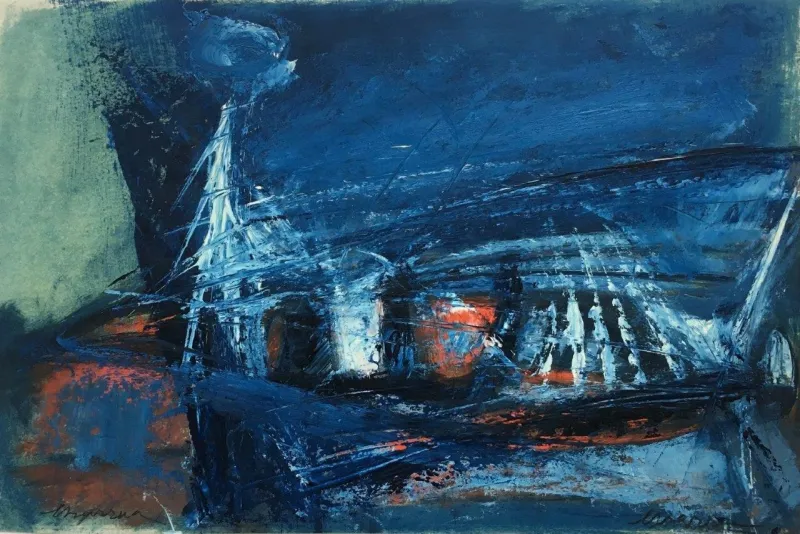
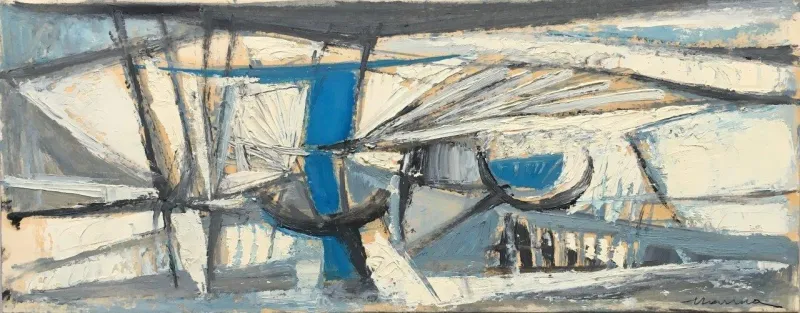
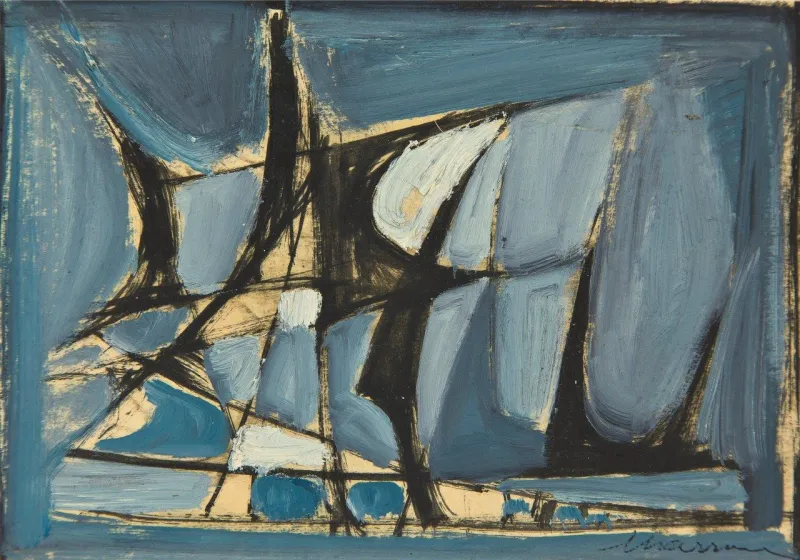
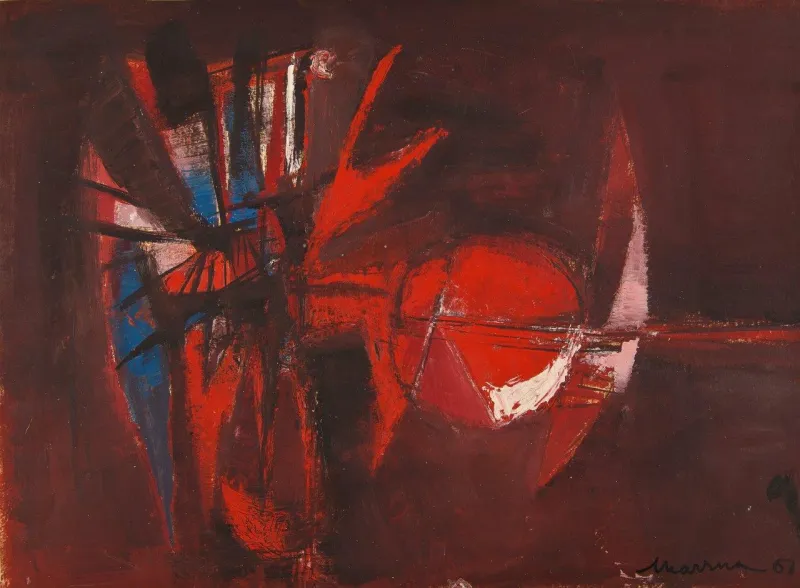
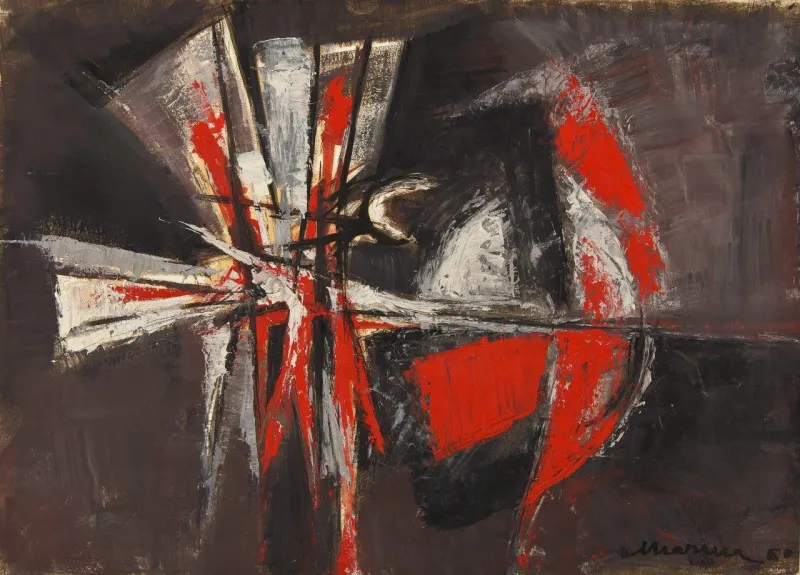
António Charrua (1925-2008) was a Portuguese painter born in Lisbon, whose life and work became deeply bound up with the city of Évora. From a young age he showed an interest in the sciences, in culture and in the arts, but it was the discovery of the work of Van Gogh and Picasso, in the mid-1940s, that definitively awakened his artistic vocation.
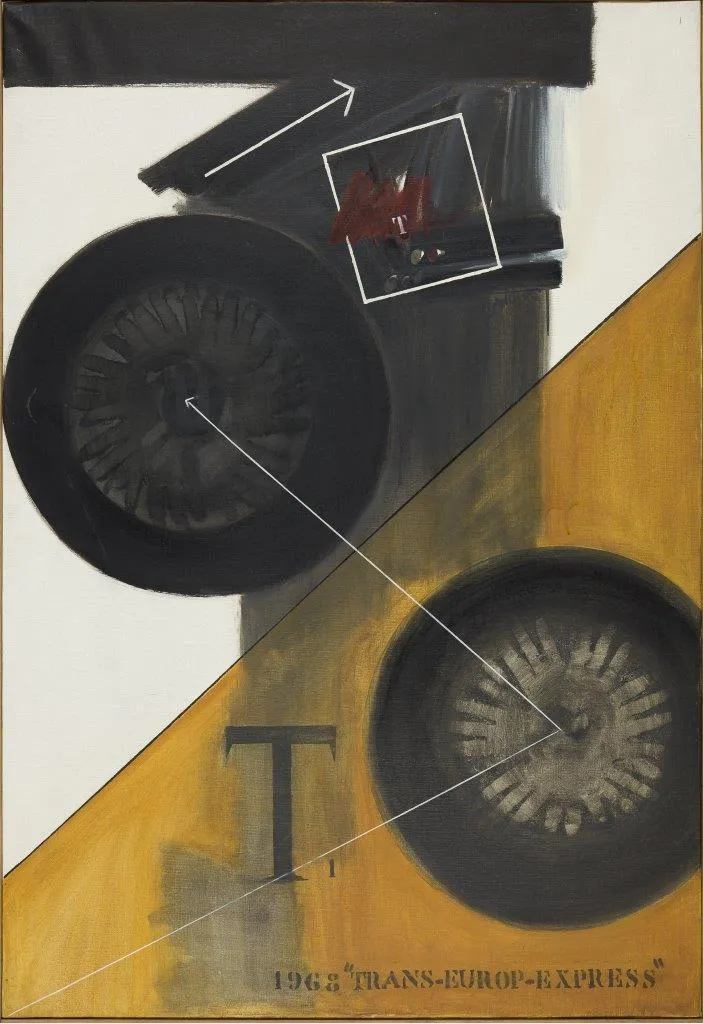
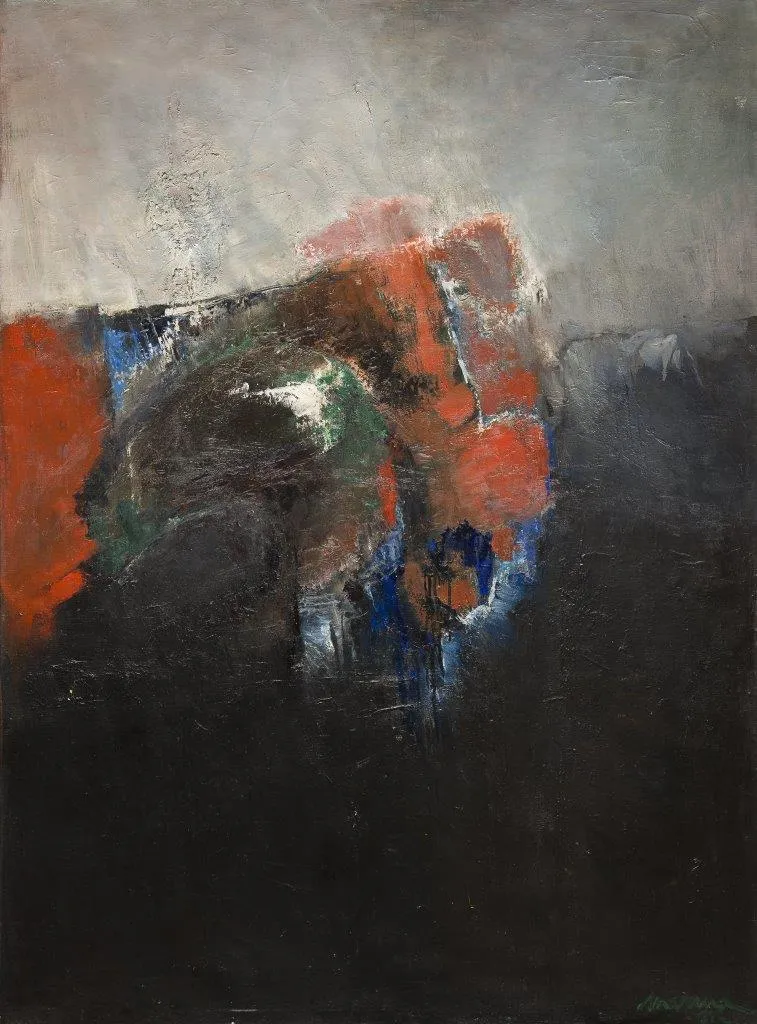
After incomplete studies in Engineering and Architecture, he devoted himself to painting, holding his first solo exhibition in 1953. Influenced by artists such as Júlio Resende, he quickly became part of the Portuguese art scene, taking part in important national exhibitions and developing a career marked by experimentation and constant aesthetic renewal.
Through the 1950s, 1960s and 1970s he benefited from the support of the Fundação Calouste Gulbenkian, travelled in various European countries and exhibited regularly in Portugal and abroad, including in the United States, Japan, Switzerland, France and Spain. In parallel, he worked in areas such as engraving, tapestry, stained glass, azulejo tilework and book cover illustration.
A central figure in the cultural life of Évora, he maintained friendships and collaborations with a number of artists, writers and intellectuals, among them Vergílio Ferreira, Lima de Freitas, João Cutileiro and Álvaro Lapa. His influence extended to several generations of Portuguese creators.
In 1990 he returned to the centre of national artistic attention with an important exhibition at Galeria Palmira Suso, followed by the publication of a book on his work and, in 2001, a major retrospective at the Museu de Évora. After the death of his wife, Maria Alcina, in 2002, he significantly reduced his activity as a painter, devoting himself above all to azulejo tilework and stained glass projects. He is recognised today as one of the most important Portuguese painters of the second half of the twentieth century.