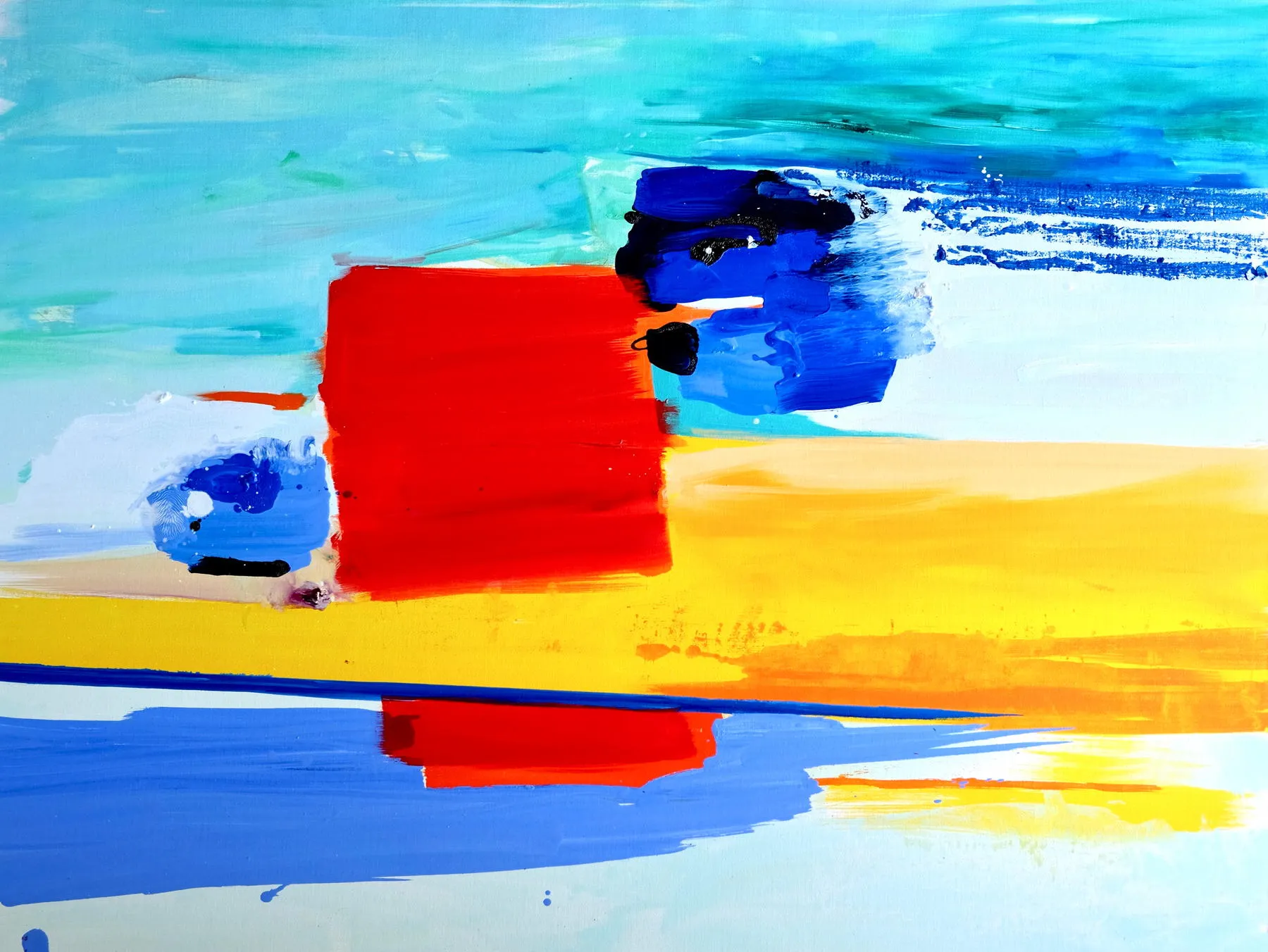
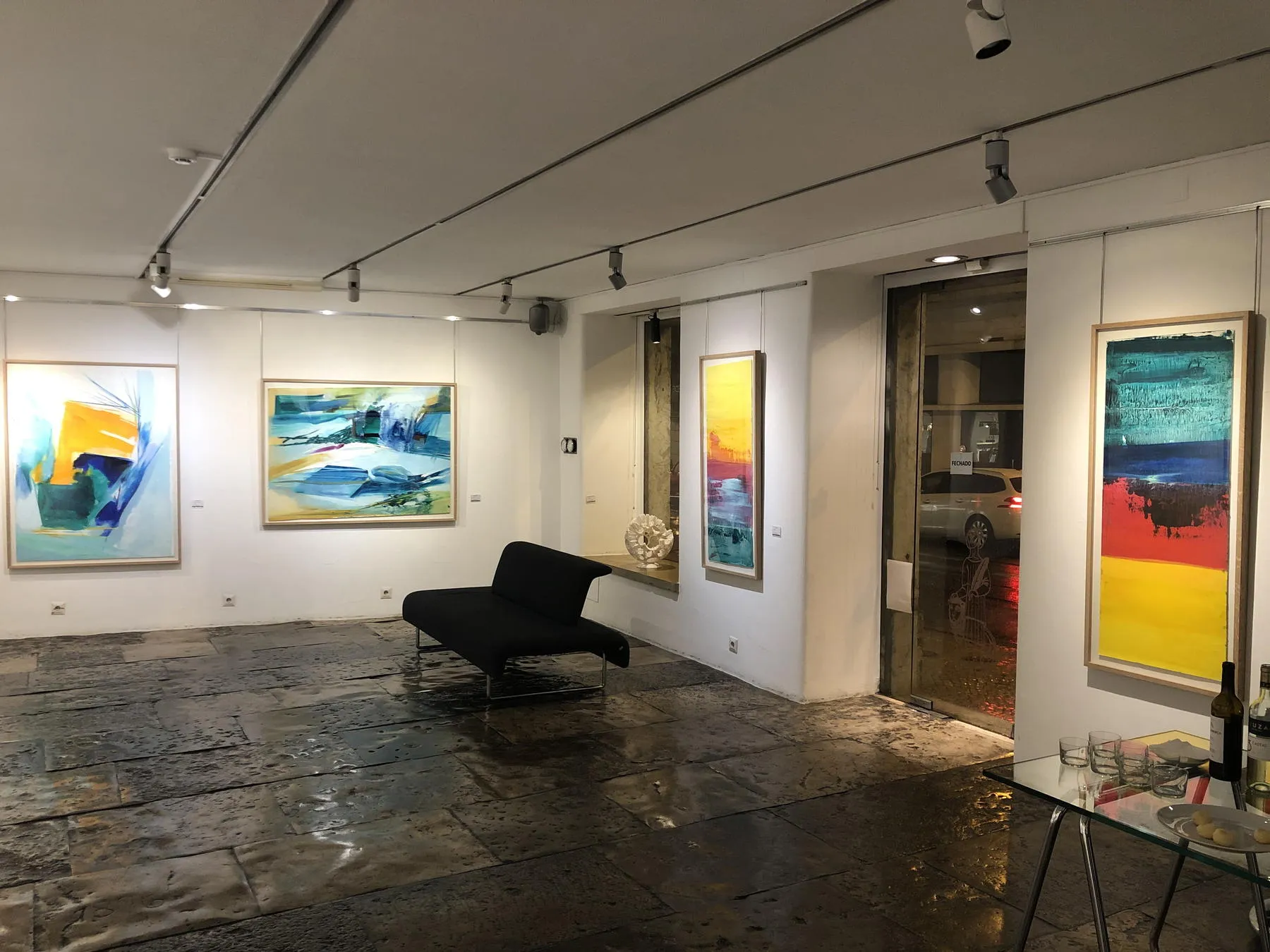
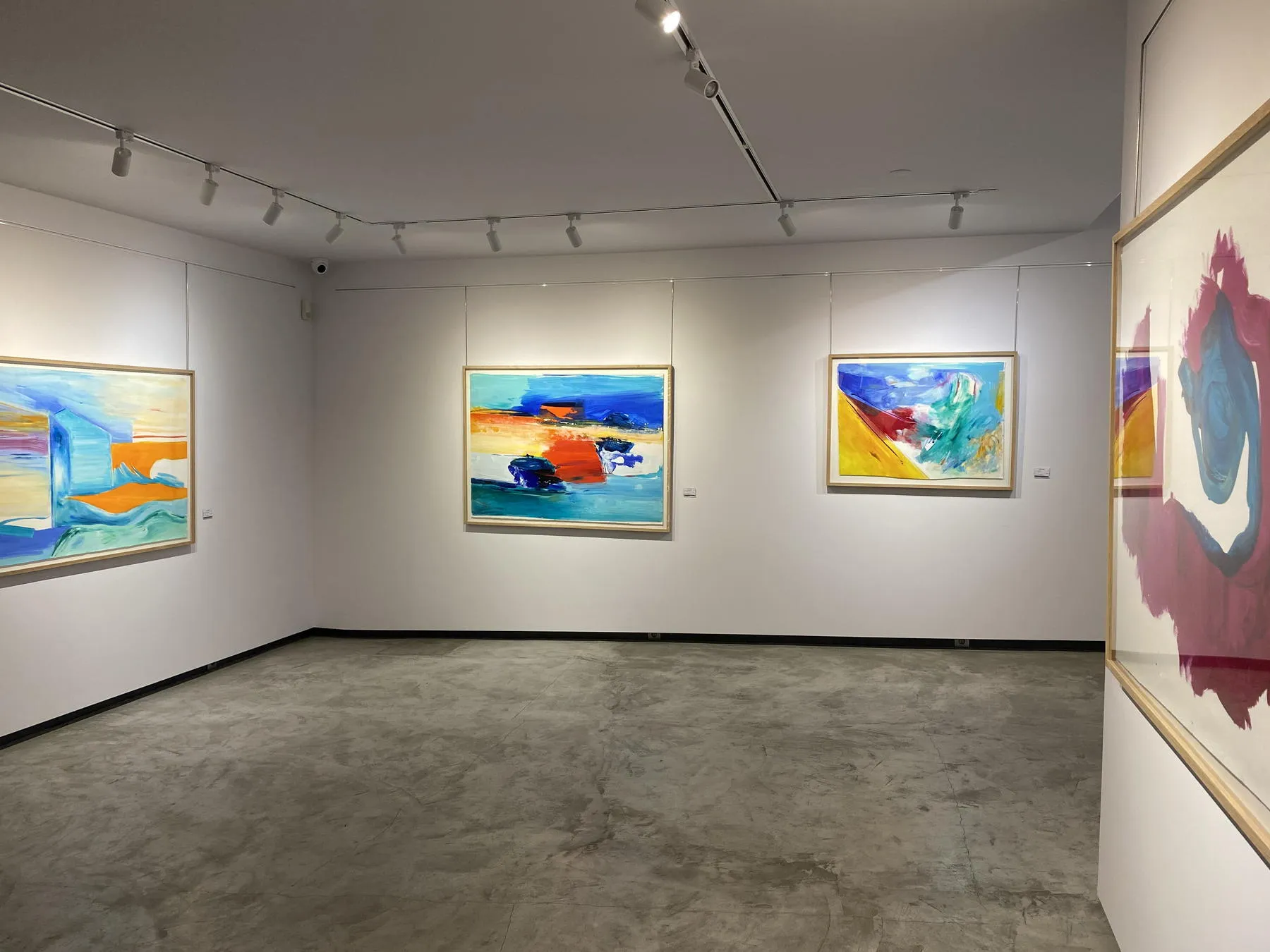
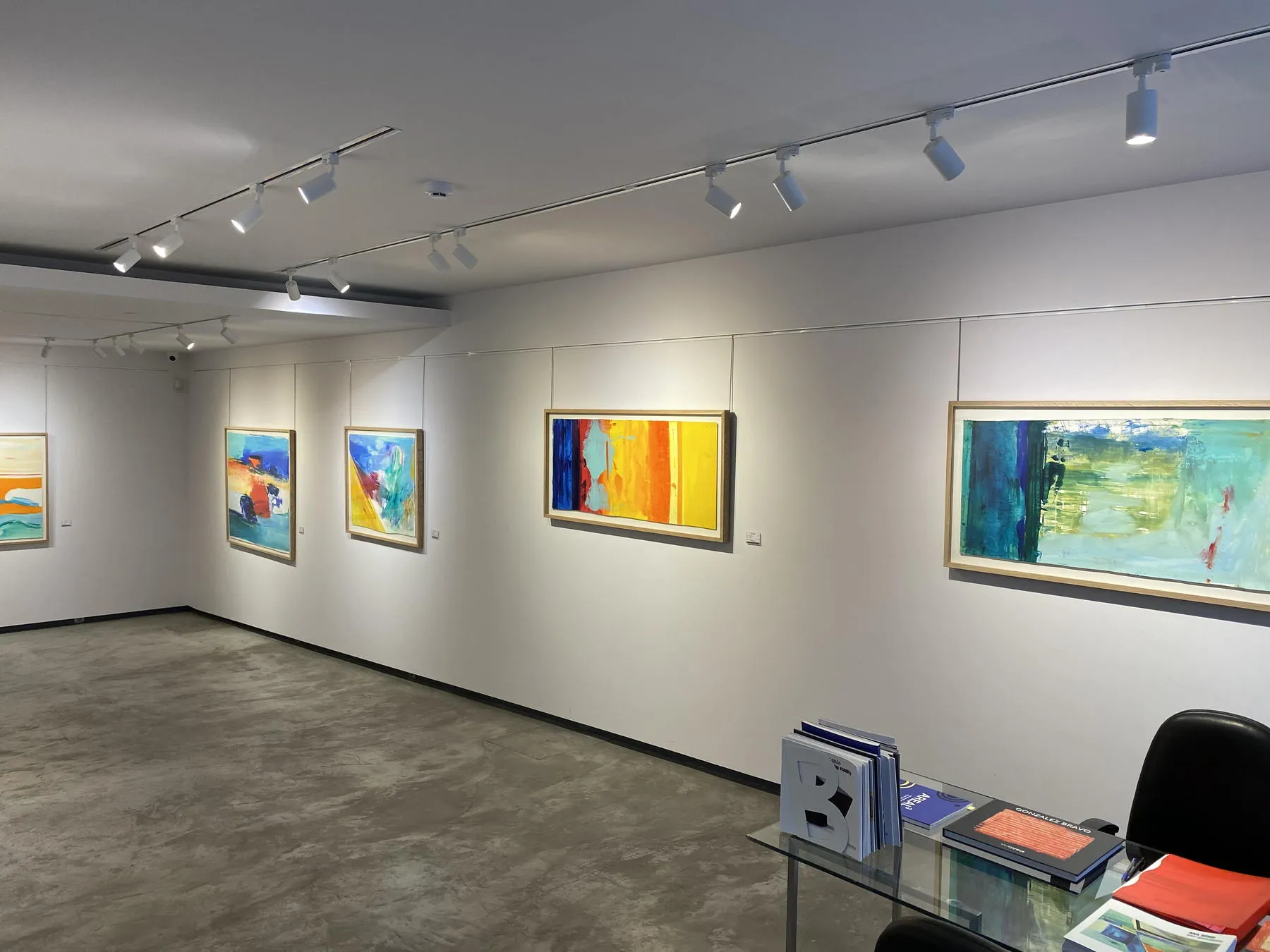
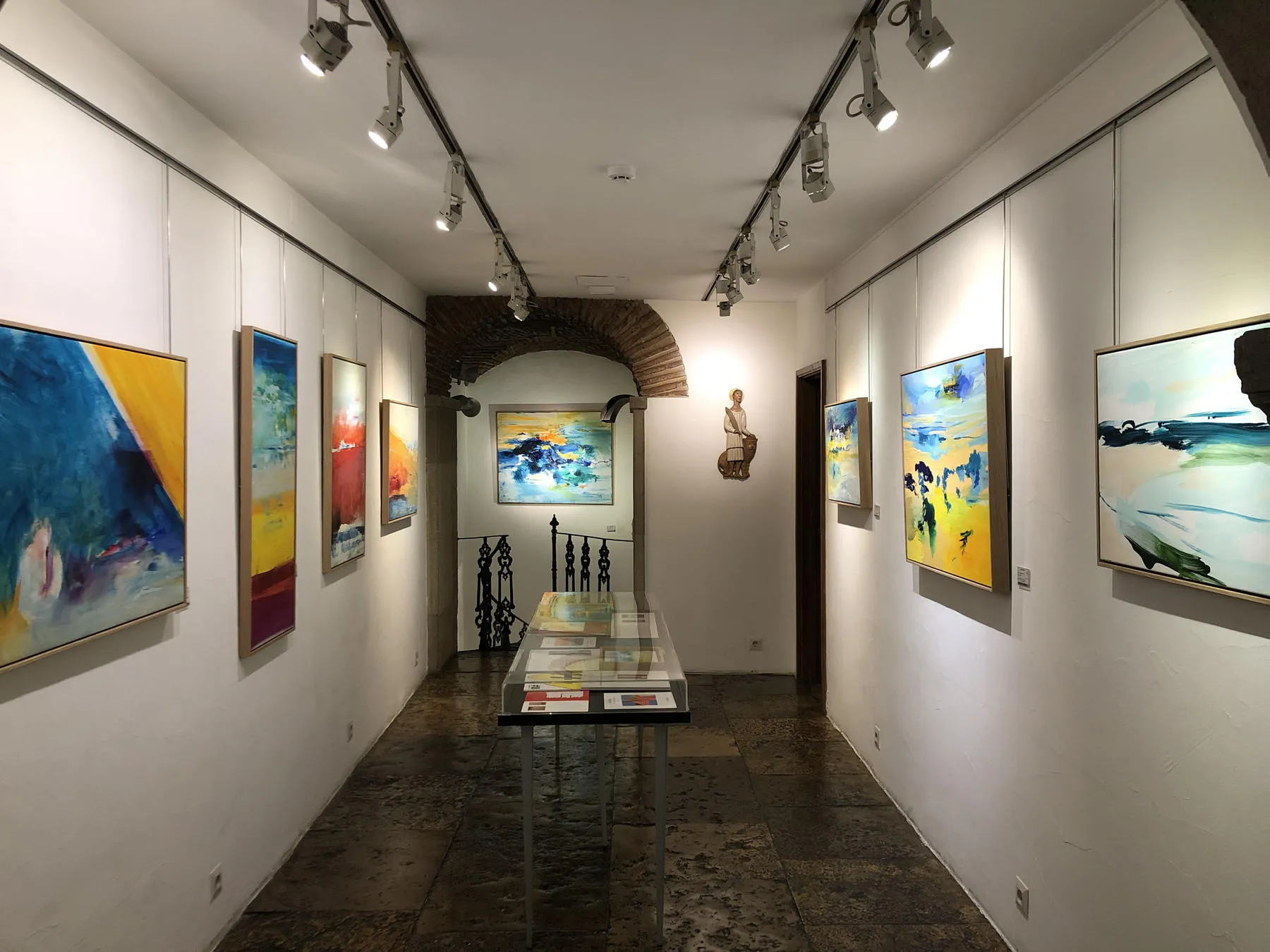
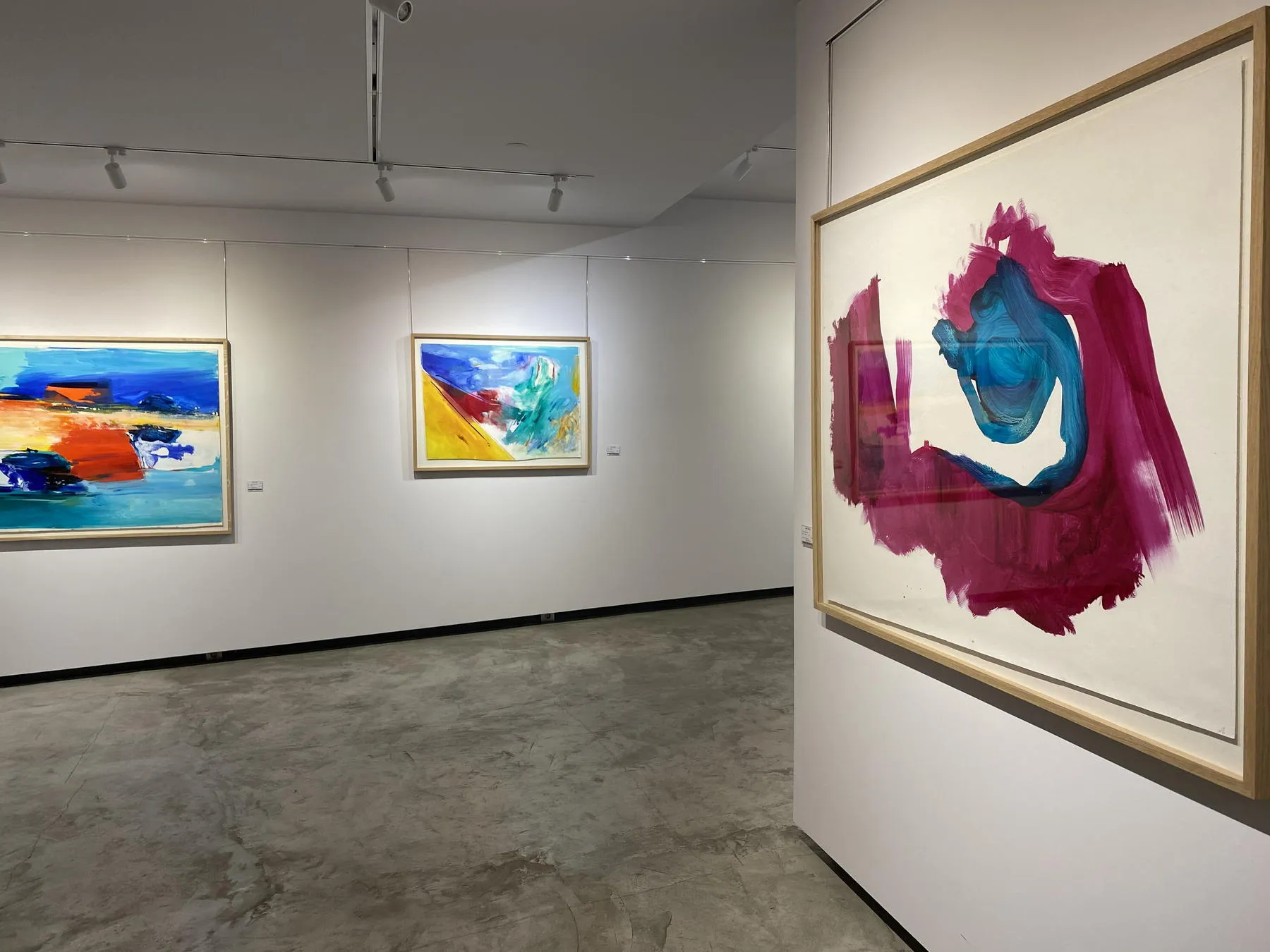
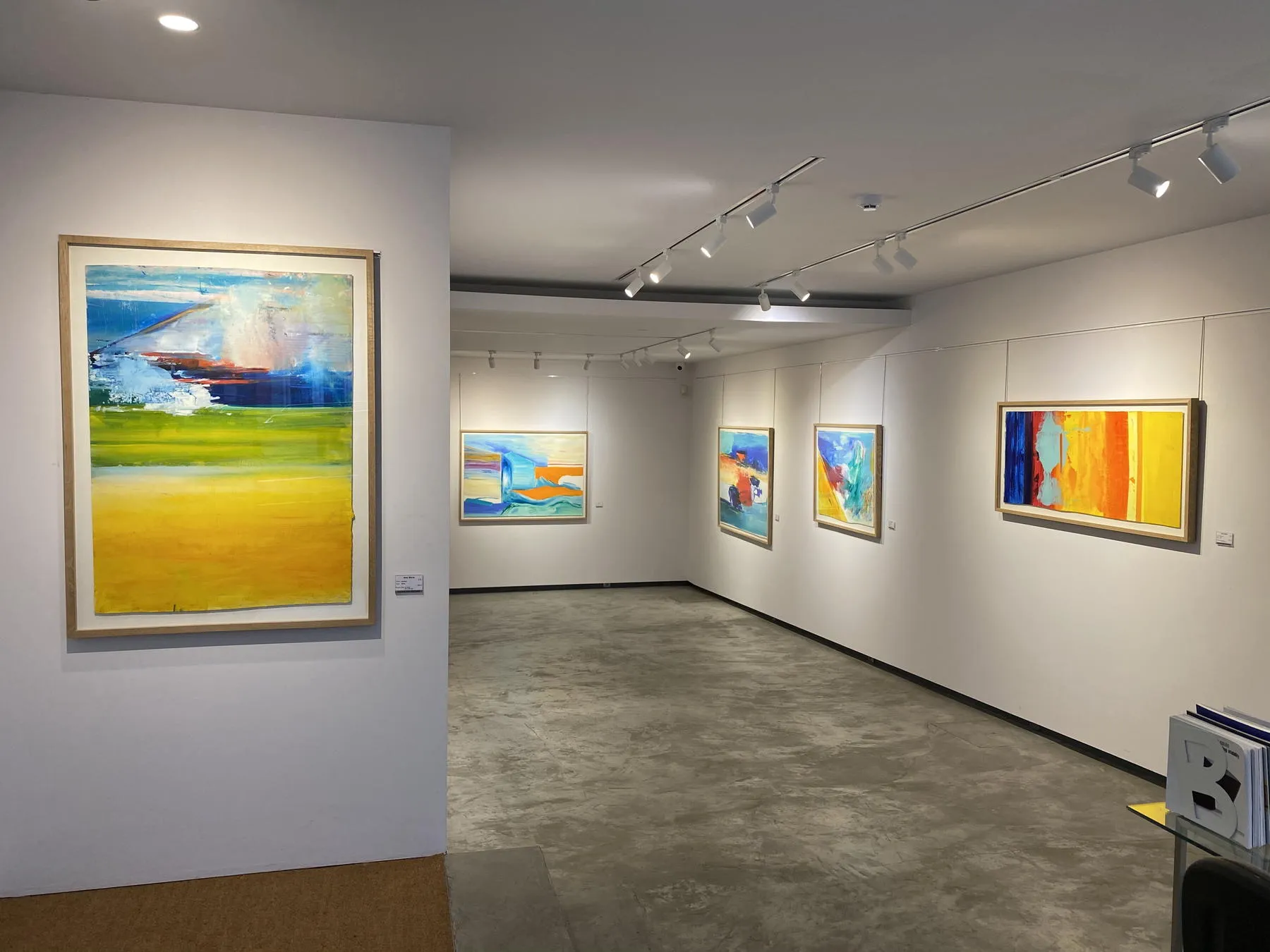
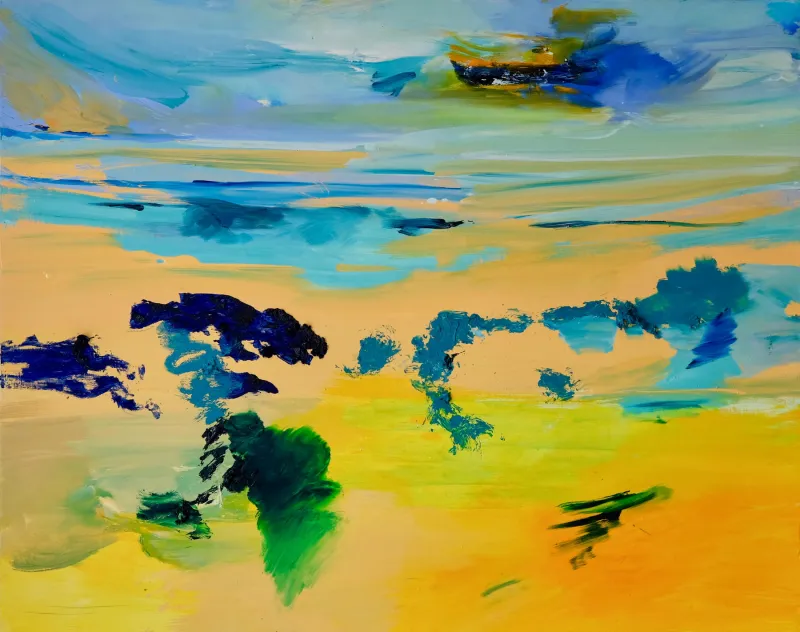
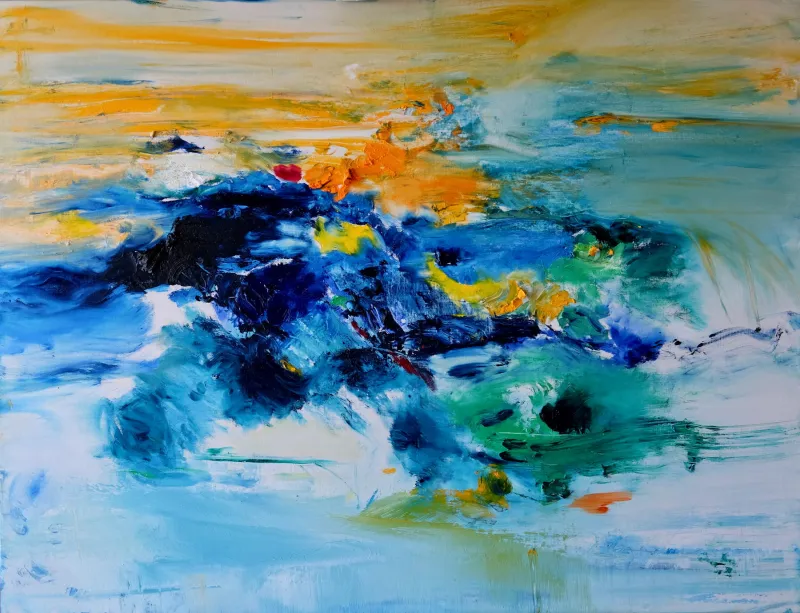
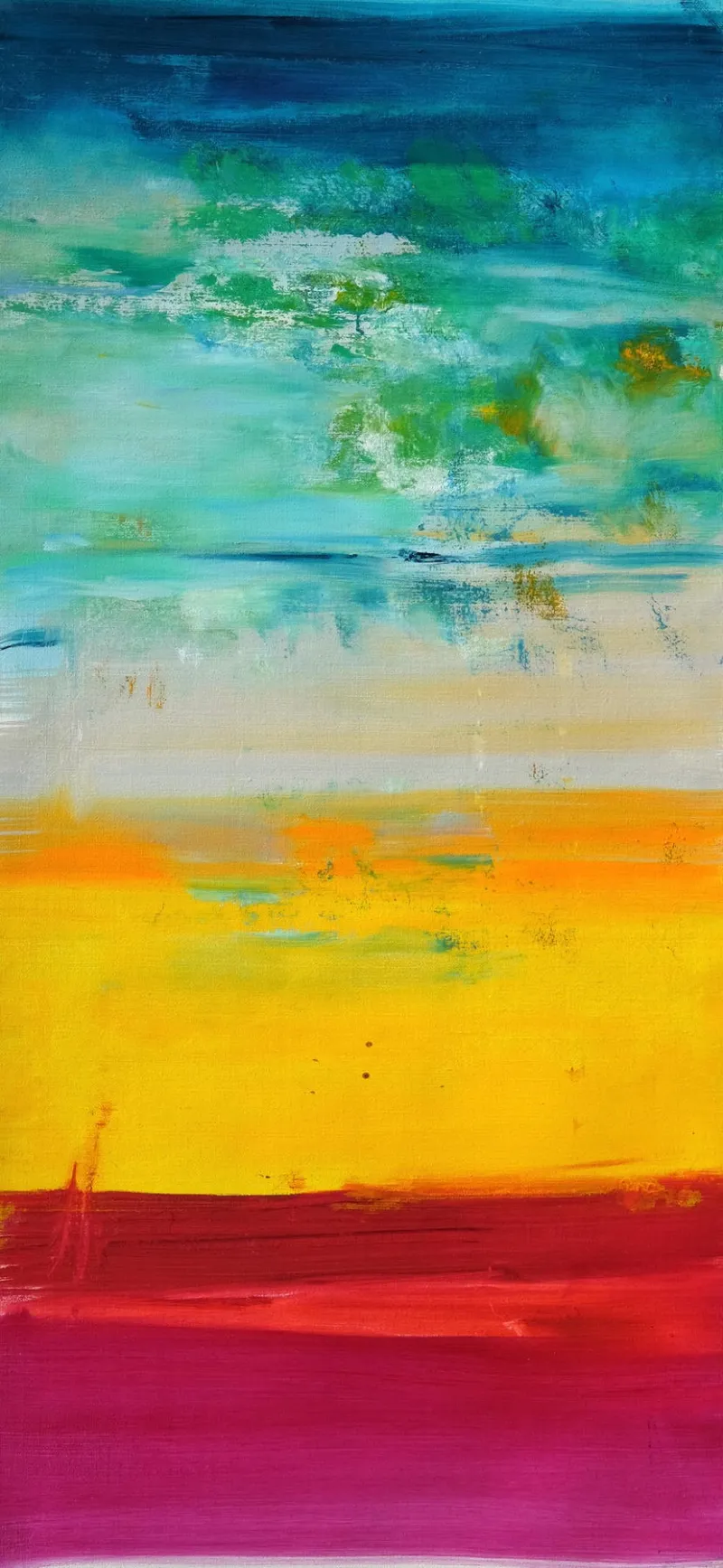
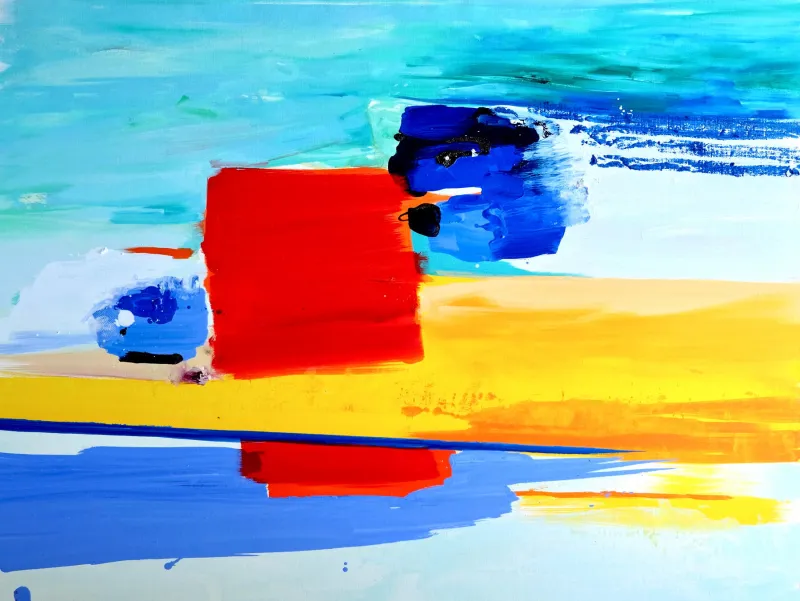
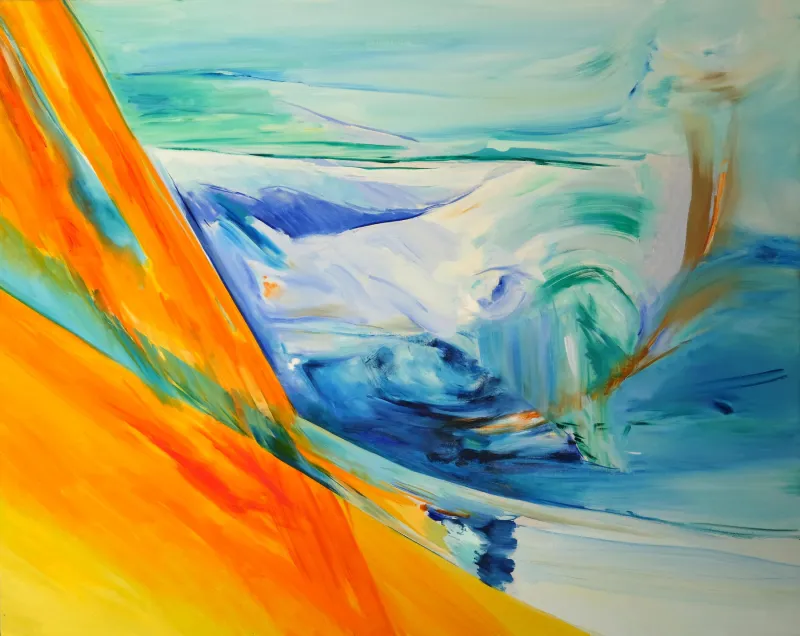
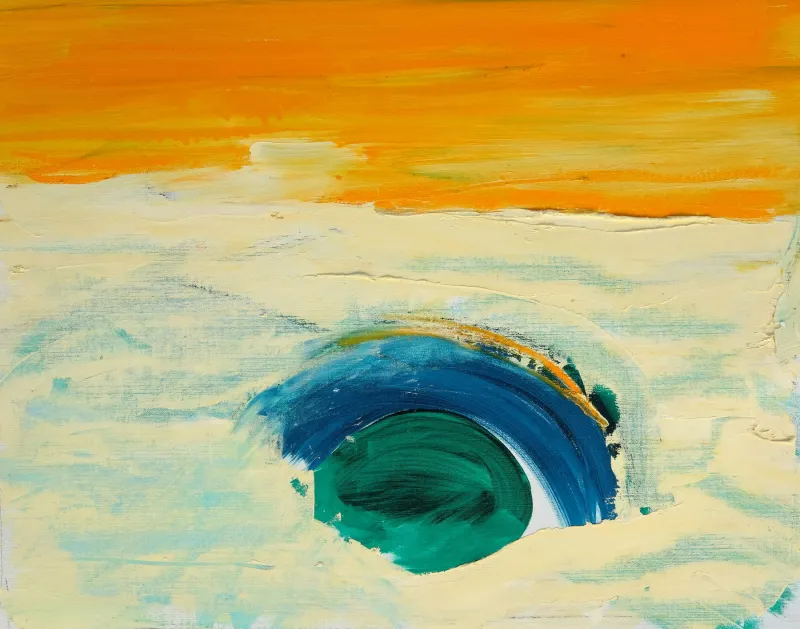
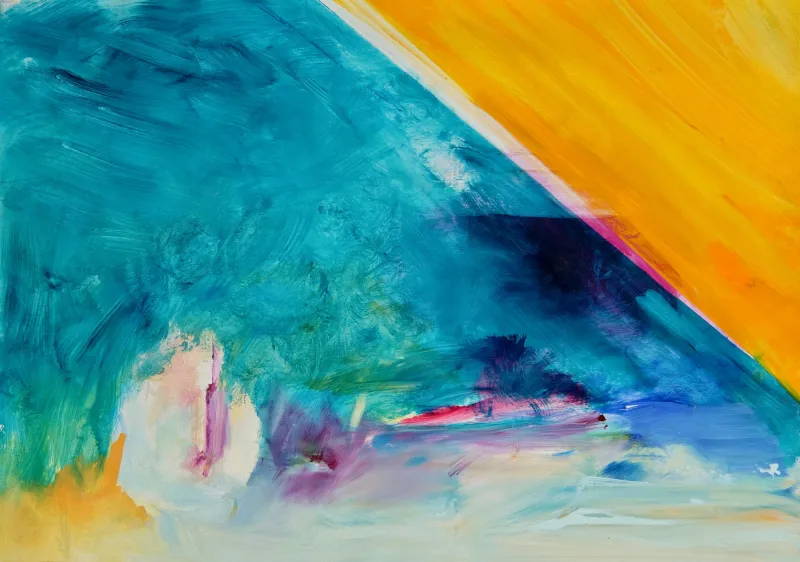
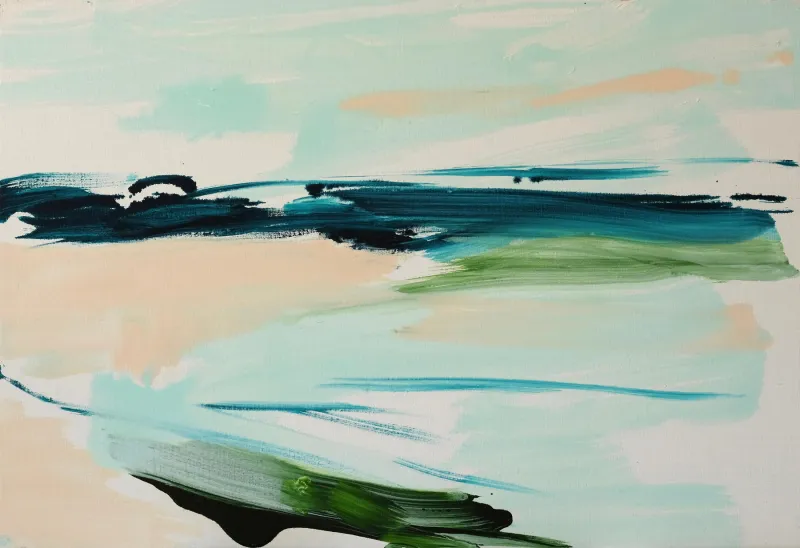
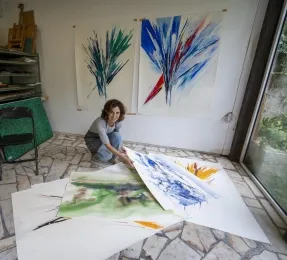
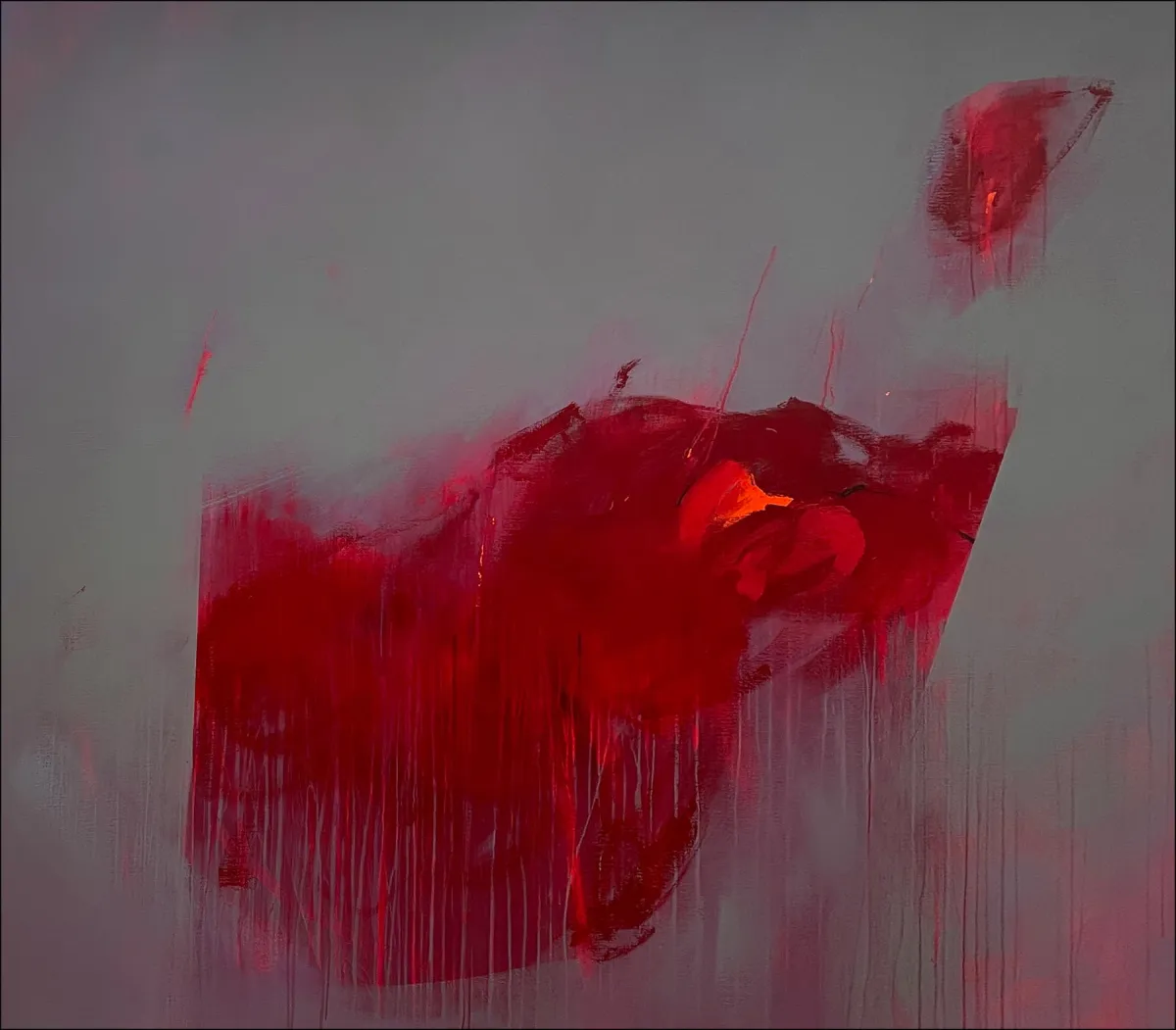
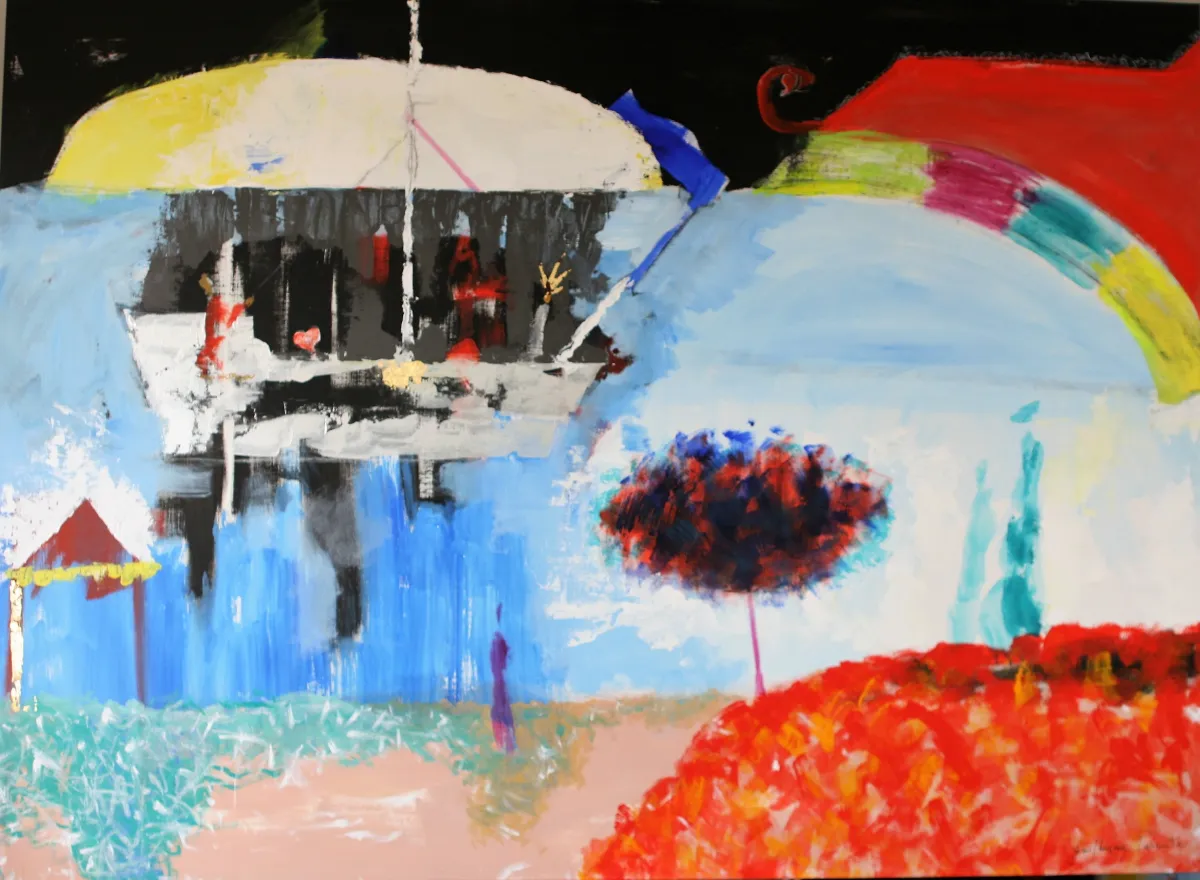
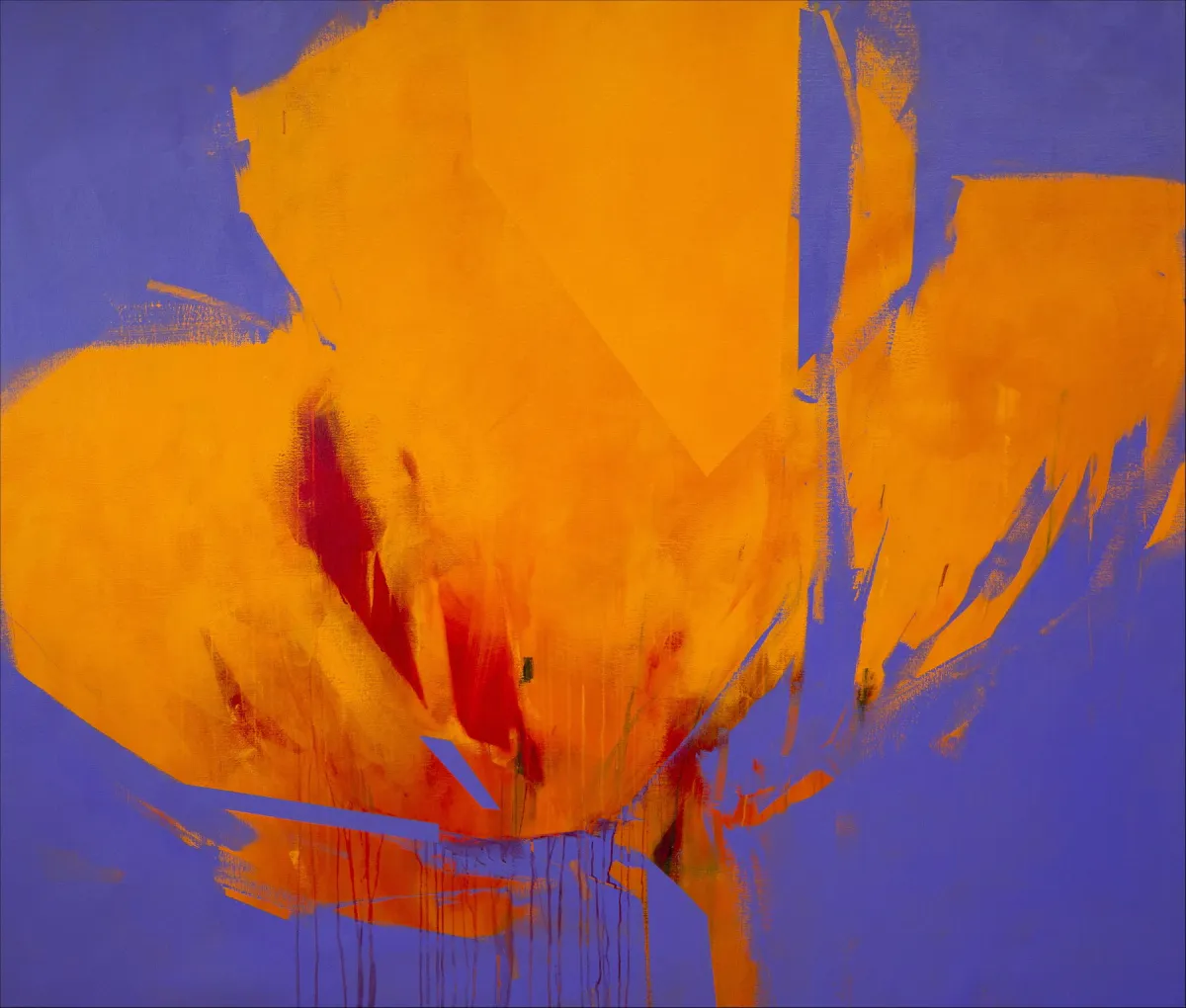
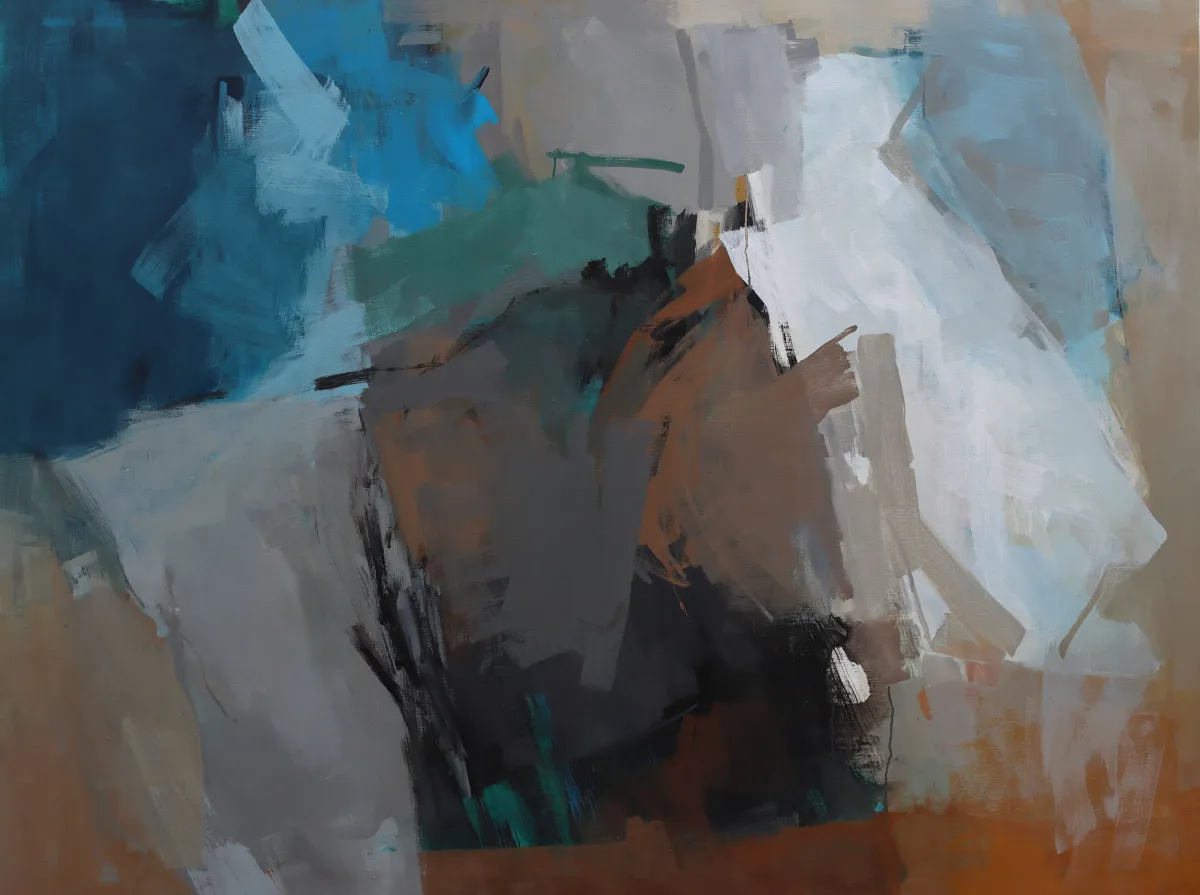
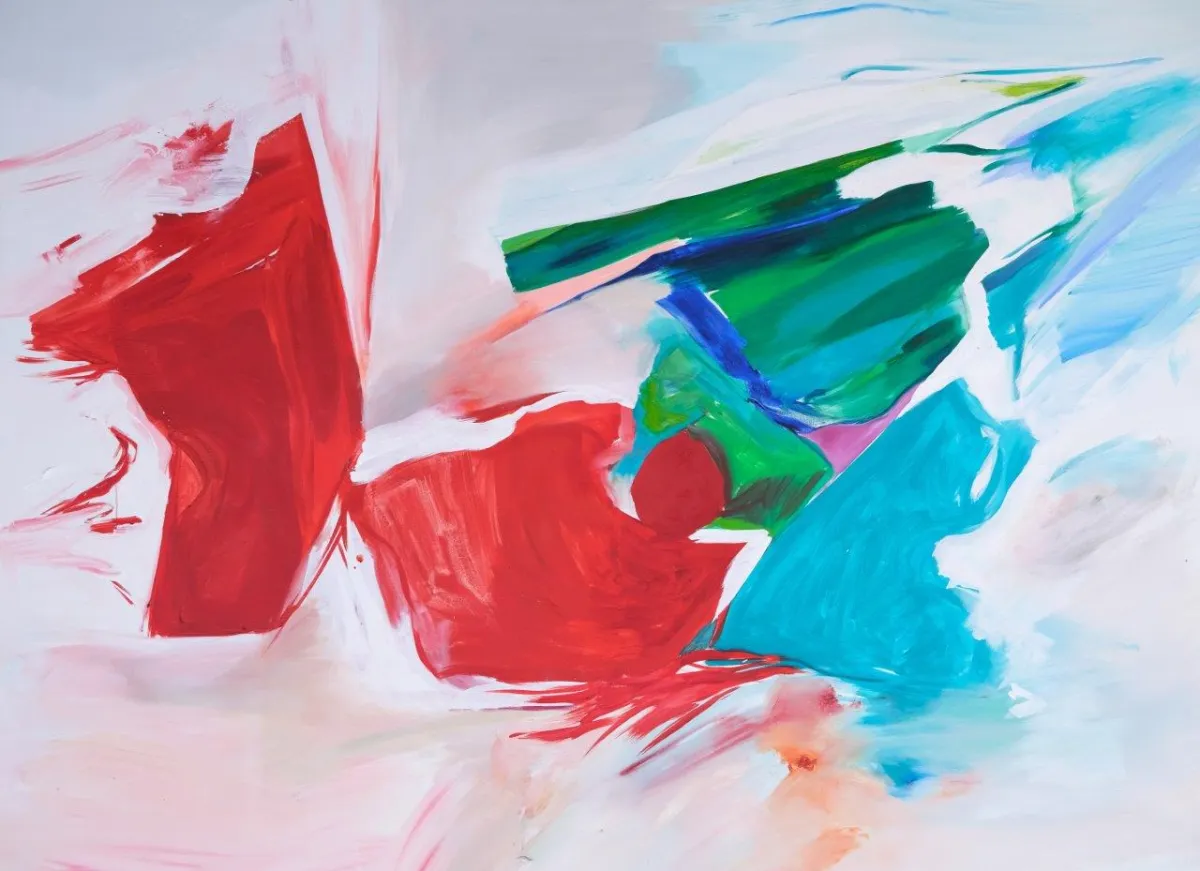
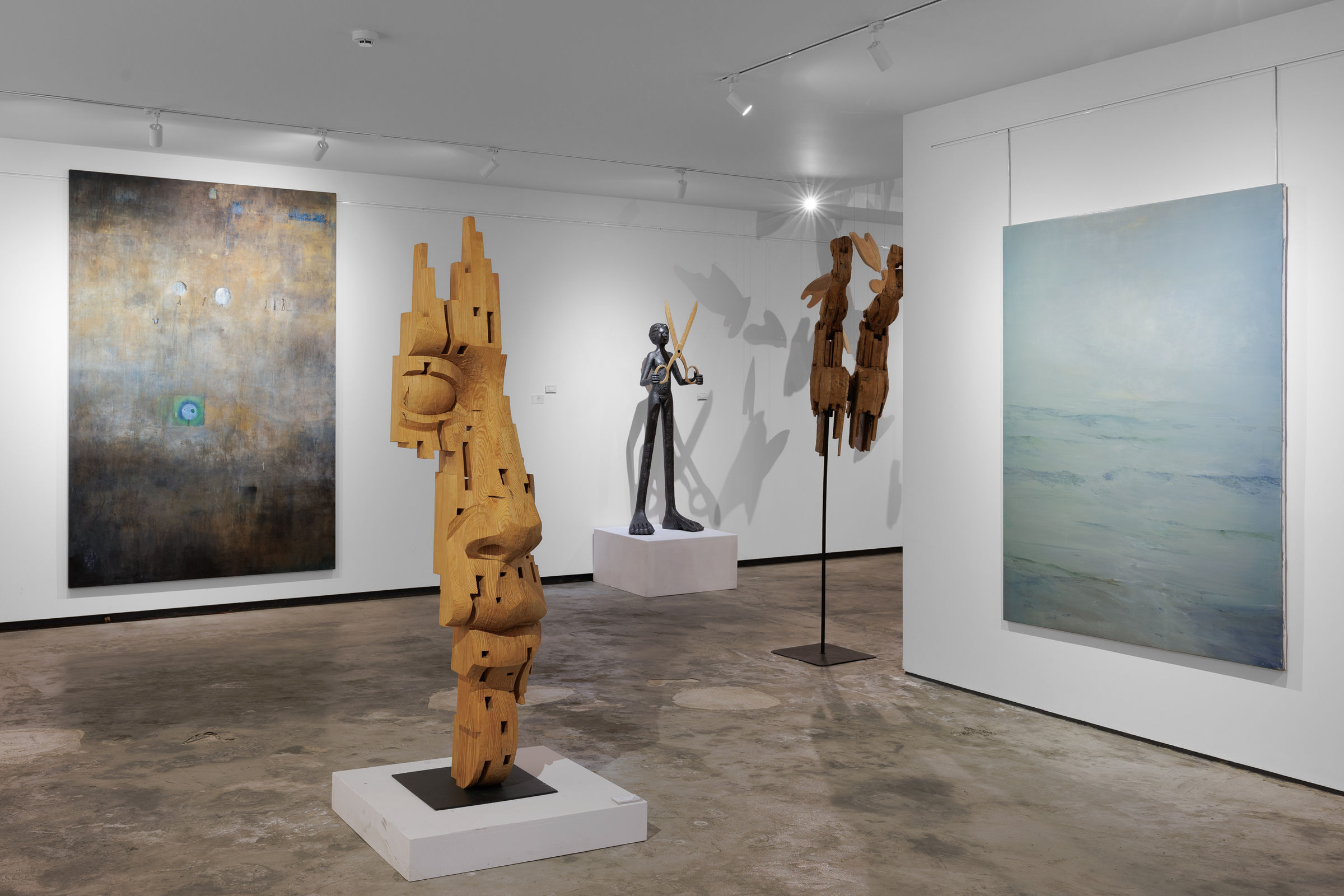
On analysing this extensive group of works by Ana Sério, we are immediately led to think of them in terms of the concept of landscape painting. Made with different techniques […] and on other […] different types of supports and dimensions, they all belong to a very precise style that values gesture, the patch of colour, the evocation of an atmosphere, in the lineage of the many, many practitioners who have devoted themselves to this pictorial genre from Romanticism to the present day.
Edmund Burke […], in considering the conditions under which nature is observed, explained to us that we can sometimes find the beautiful there, that quality which for him was the fruit of a social convention that might or might not change over the centuries; and that, even more rarely, we might in that contemplation feel the sublime, that is, establish a relationship between the magnificence - and the fear, or terror - of what we contemplate, be it high mountains or raging seas, and our own feelings. […] Without this introduction, we cannot grasp how painting, and the gesture of the painter made apparent through the patch of paint and through colour, can itself also reflect the unique individuality of the artist. […] A little under a decade ago, alongside painting conceived as pulsation, an extension of the vital breath that is compulsively carried out, Ana Sério was making wooden devices fitted with mirrors that worked as machines for showing the world. Through the ingenious placing of the viewer at a particular point of (literally) view, he or she was able to glimpse not only his or her own image but also the surrounding space, which was always, in that precise case, a variation on the immaculate, ideal white cube that the museum or the gallery always represents. Yet Ana Sério knows that the specular function of the constructed image is today, and increasingly, the quotation of a quotation of another most ancient quotation of those distant discoveries of the mimetic power of images. In other words, Ana Sério knows, because such is the wisdom of the time in which she lives, that representation is itself the reality in which we live: the distance between the object and its image is increasingly annulled, until it is reduced to the tenuous thread of the drawn line. The image, therefore, is more and more the reality that surrounds us.
Carlos de Oliveira, in the novel Finisterra, which Ana Sério likes to quote and which inspired […] the works we find in this exhibition, also has in his writing this imbrication between writing itself, the elements of the novel - landscape, atmosphere, flora, water, characters - and a spoken drawing that frequently merges with them. […] Now, the titles of the different series that Ana Sério presents here refer us back to this process of imbrication between the real and its represented image. […] they share, in their difference, an incompleteness that comes close to the mise en abîme effects of Carlos de Oliveira's poetic prose. Here, in Ana Sério's work, the map is a drawing of the territory; the landscape, a study or an unpeopled space; the invocation, an appeal with neither predicate nor complement; calligraphy, finally, a simulation surrendered to the essential, a sign without meaning, a gesture reduced to its essential purity.
Luísa Soares de Oliveira
excerpts from “Paisagem (sem povoamento) III”