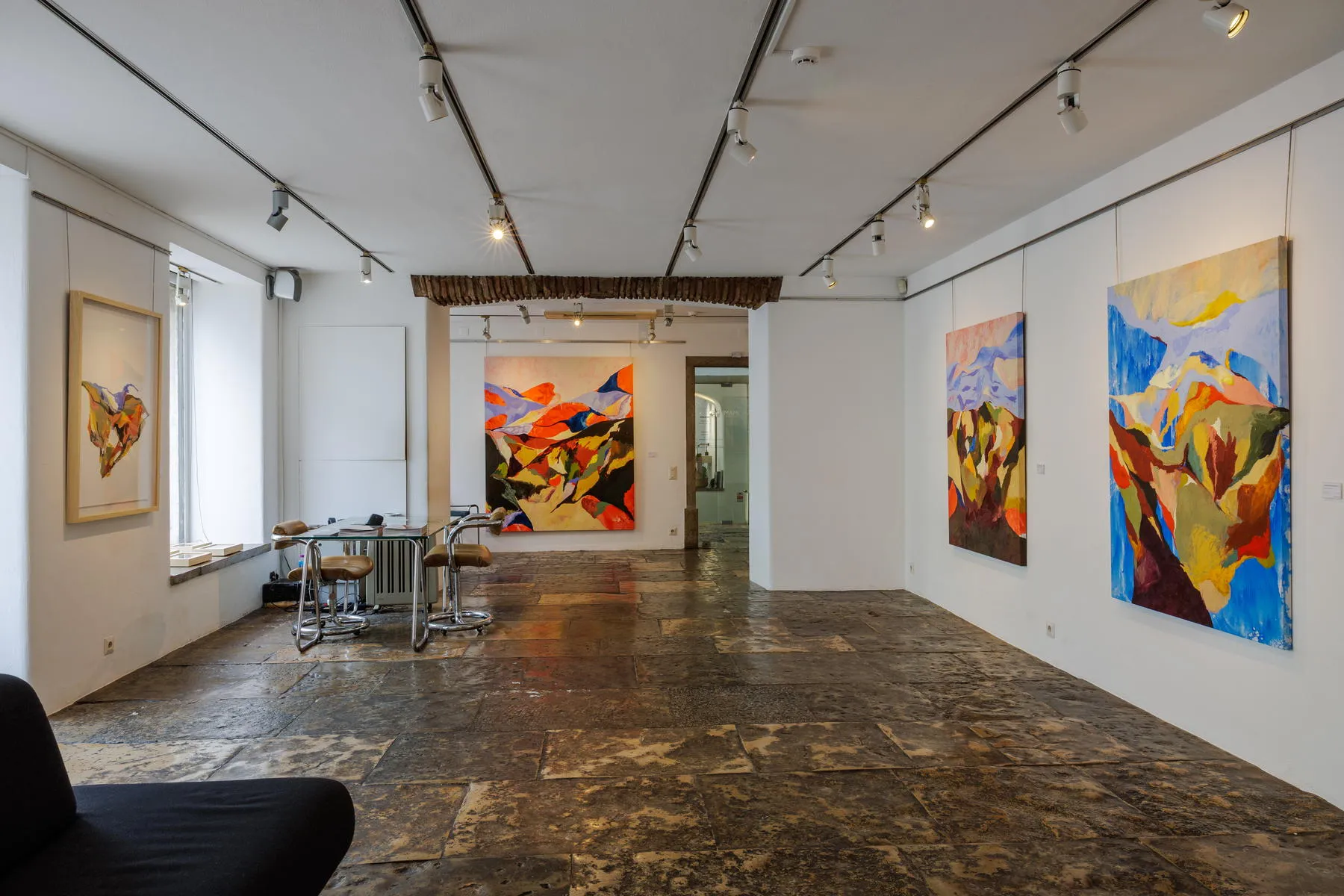
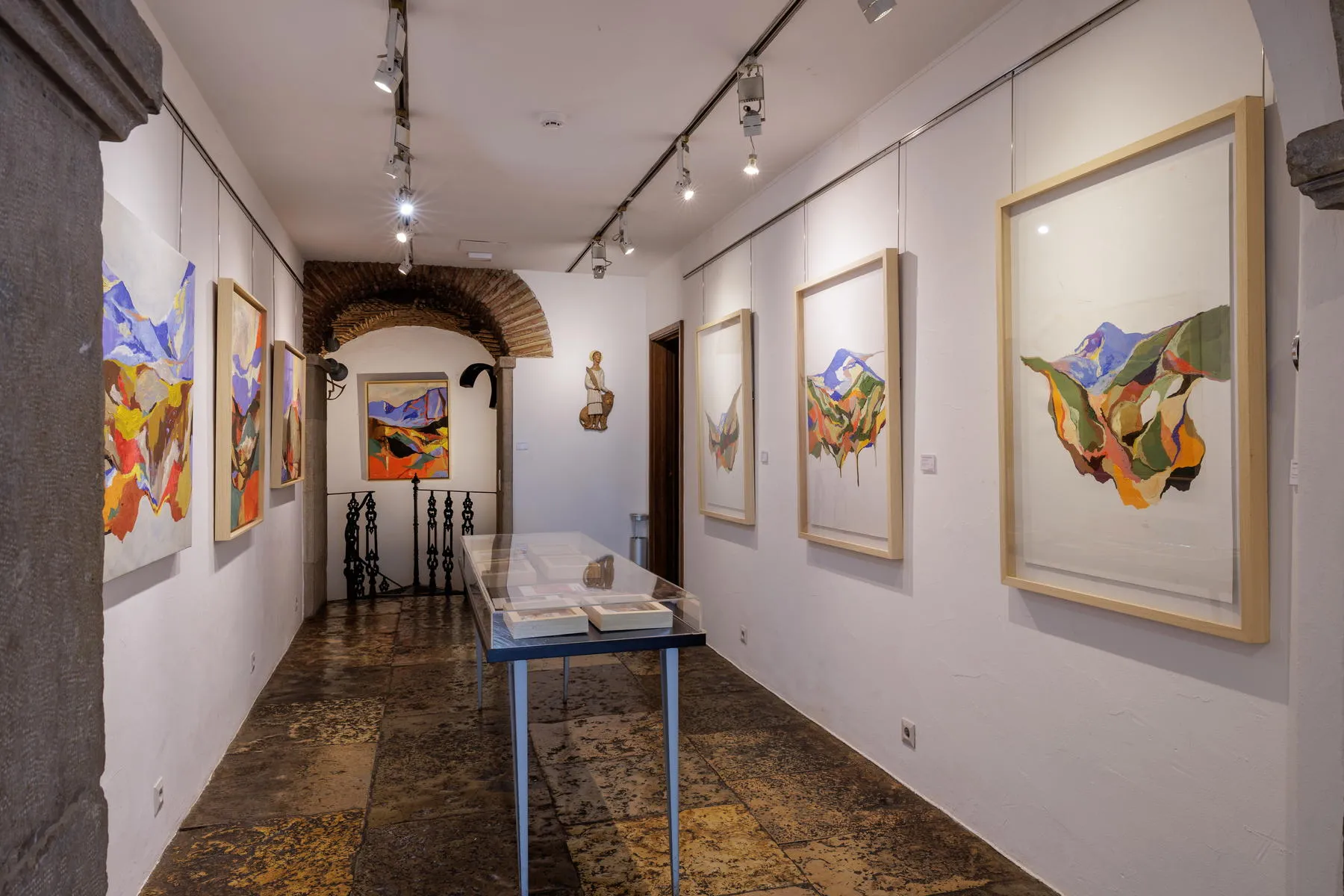
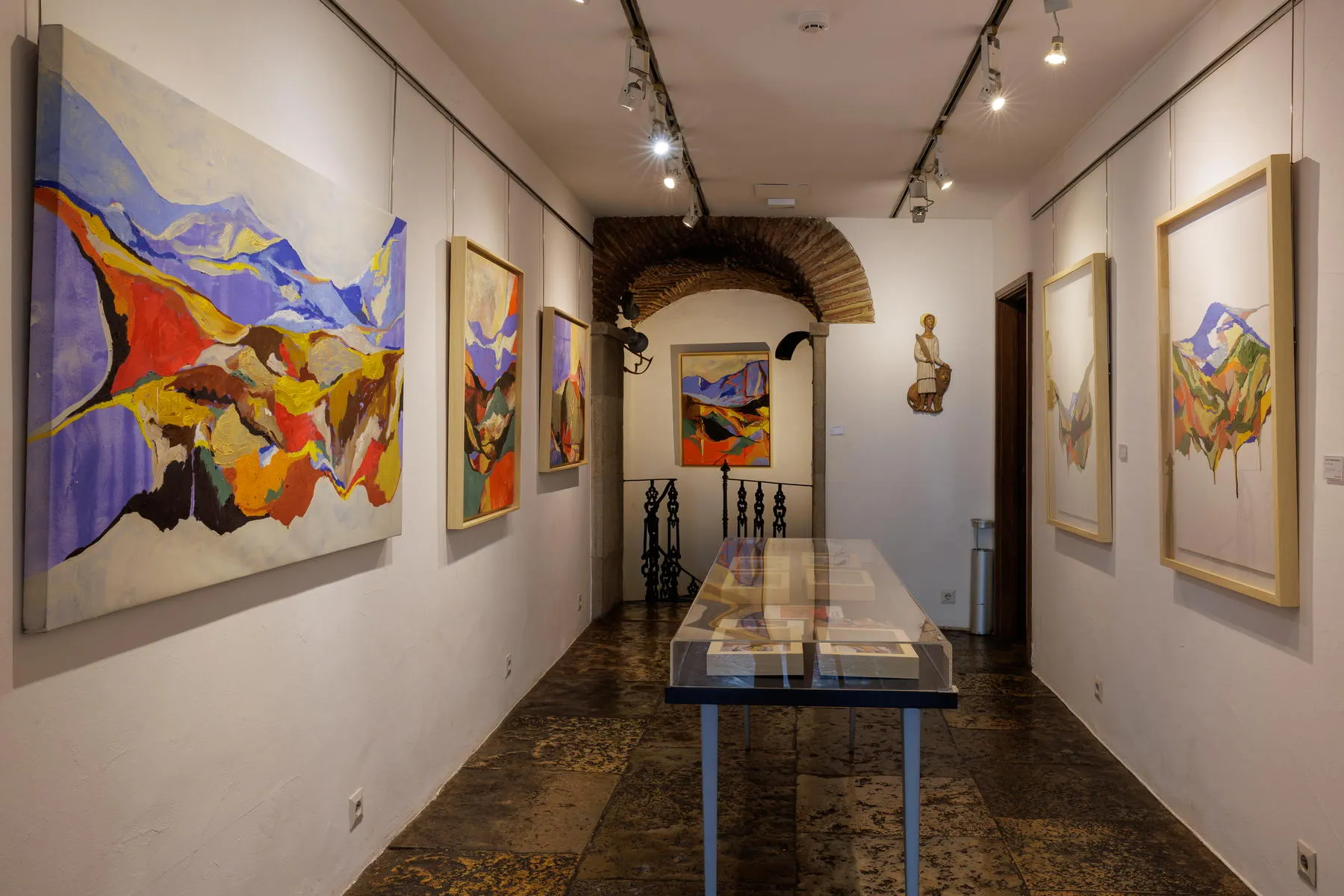
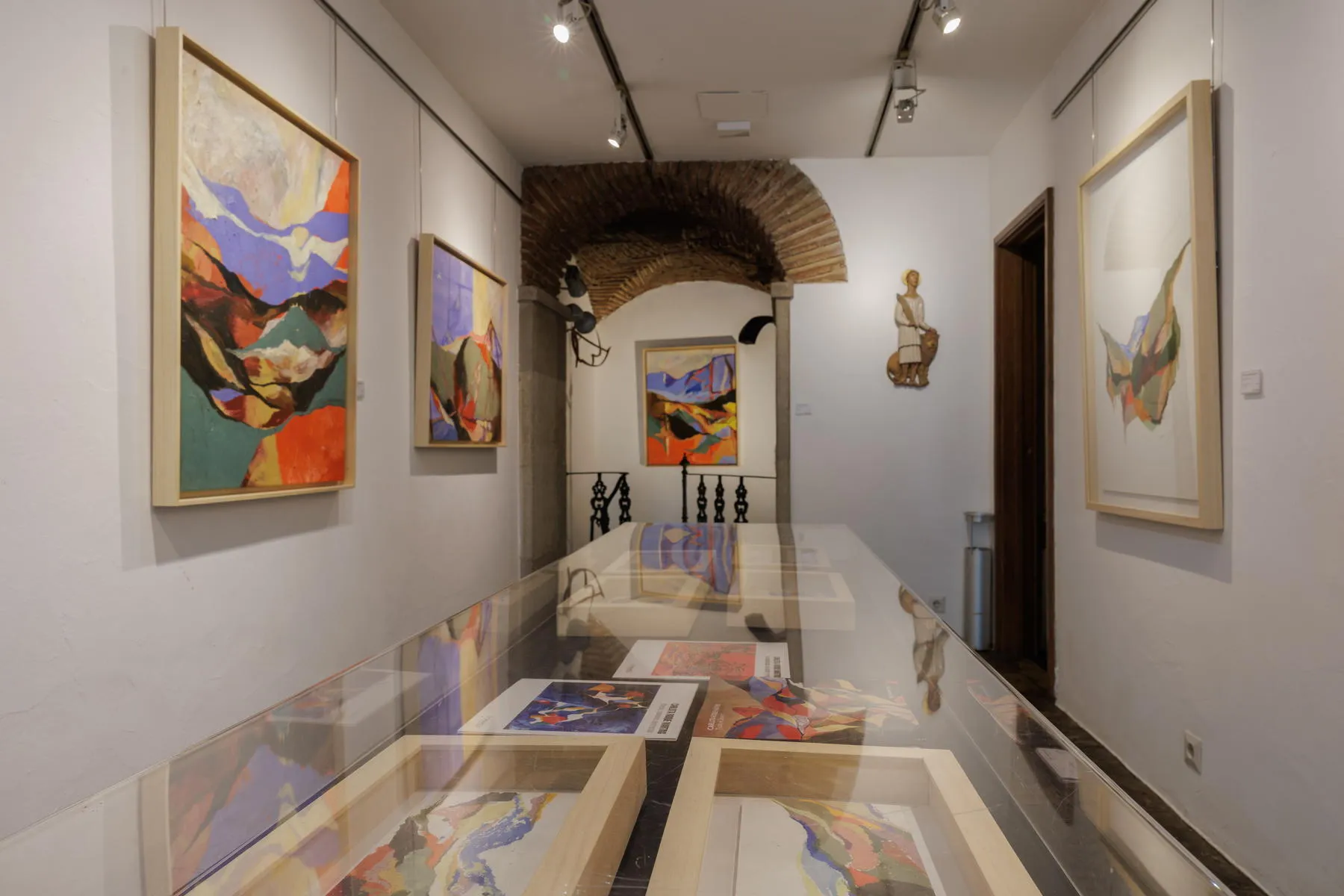
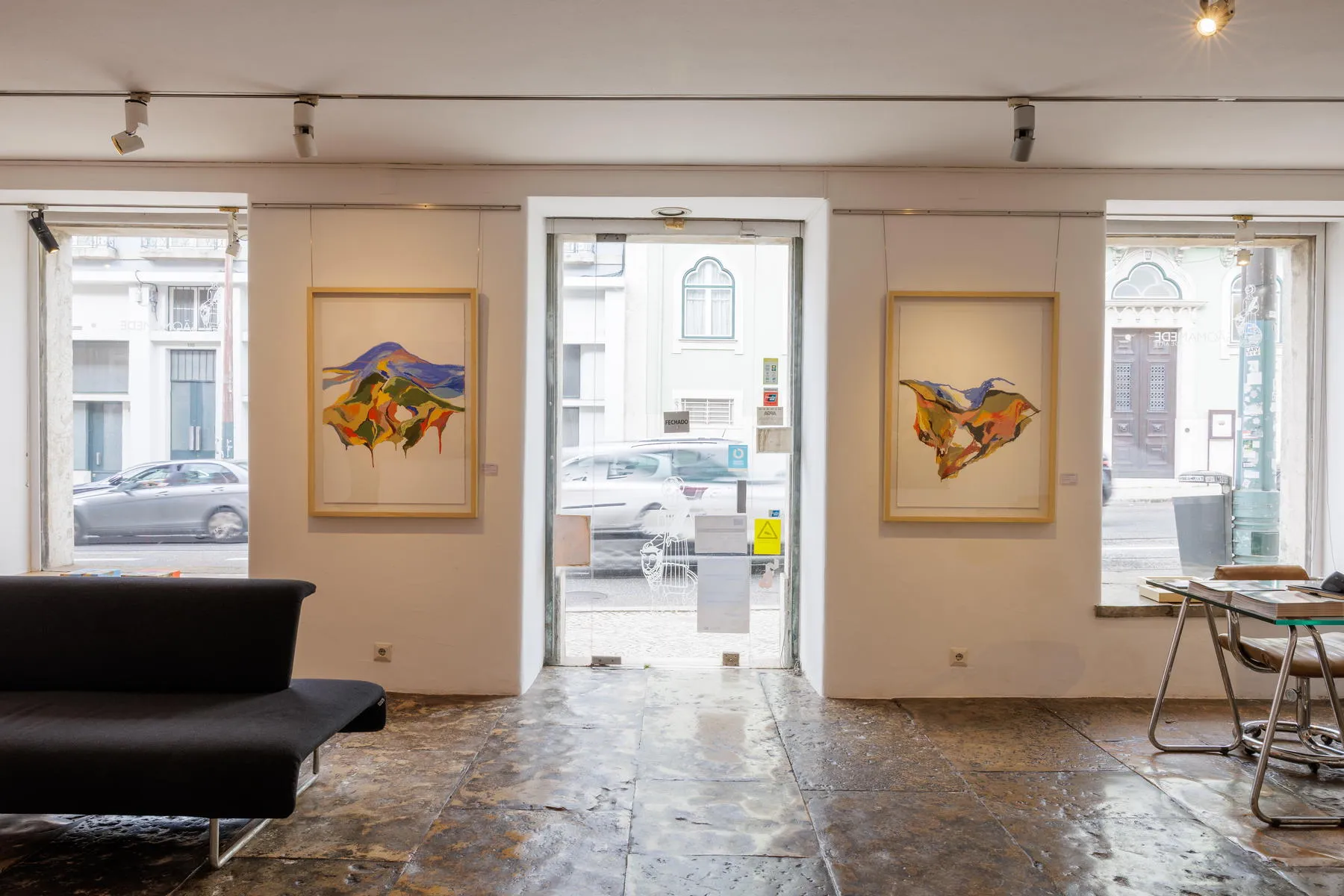
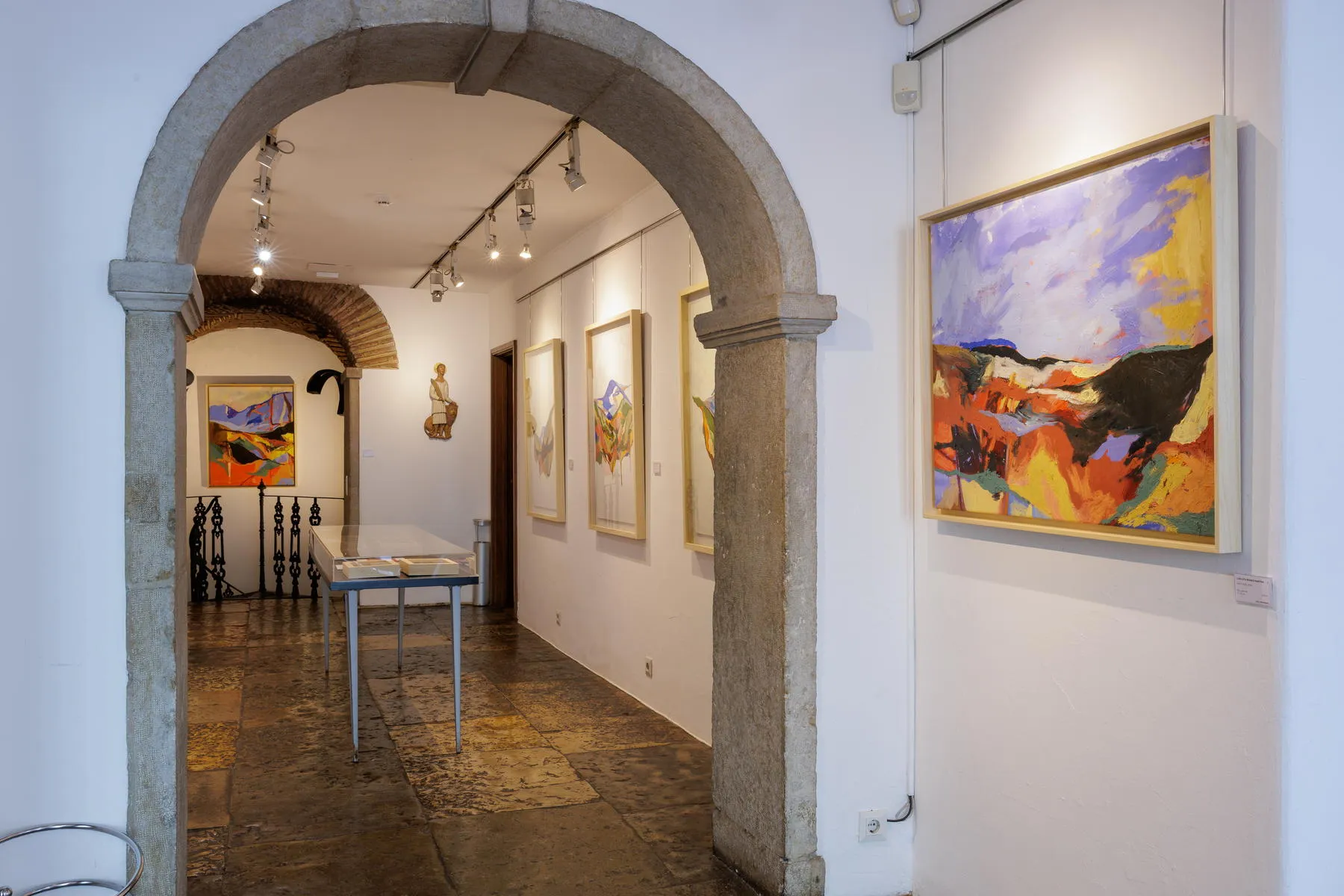
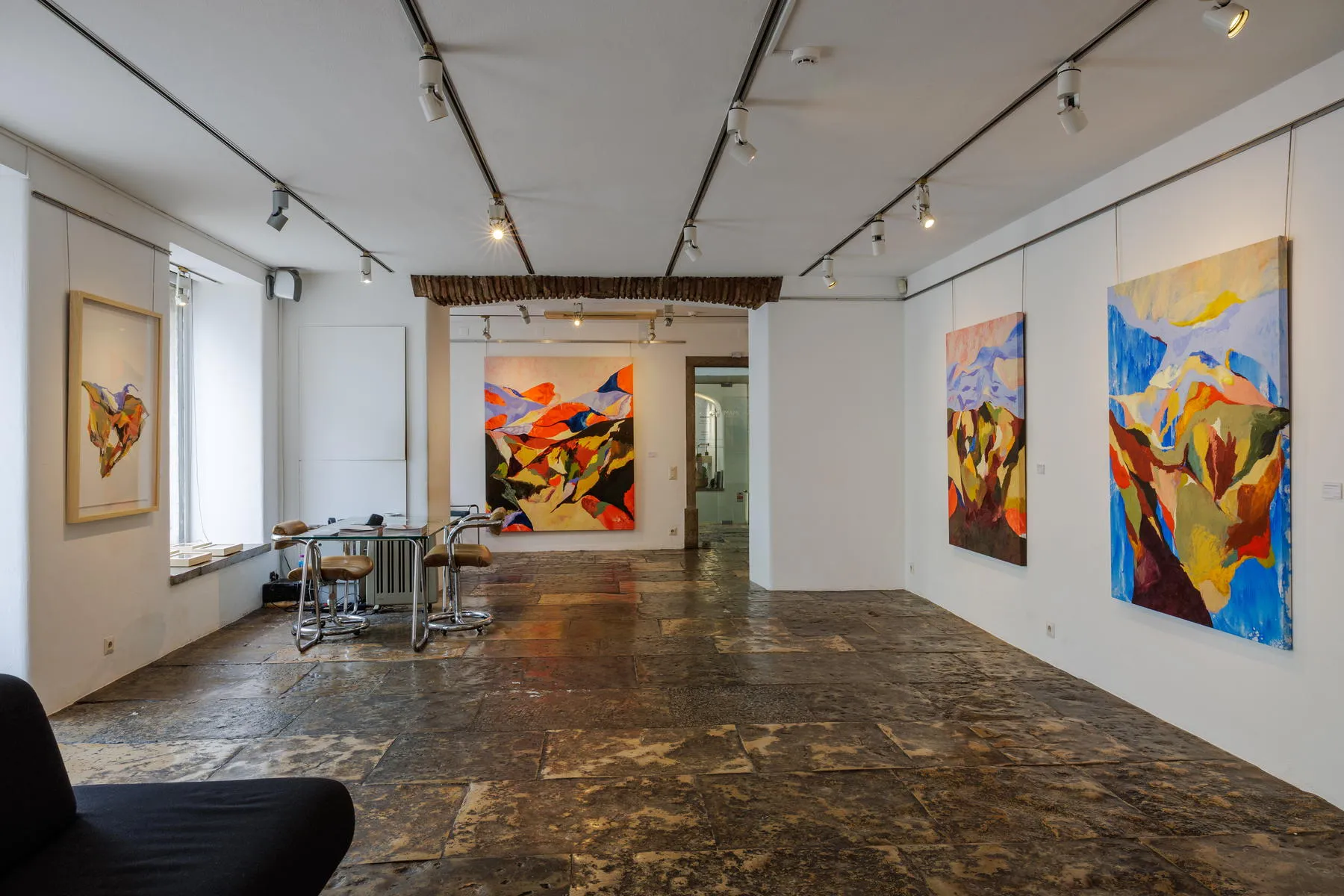
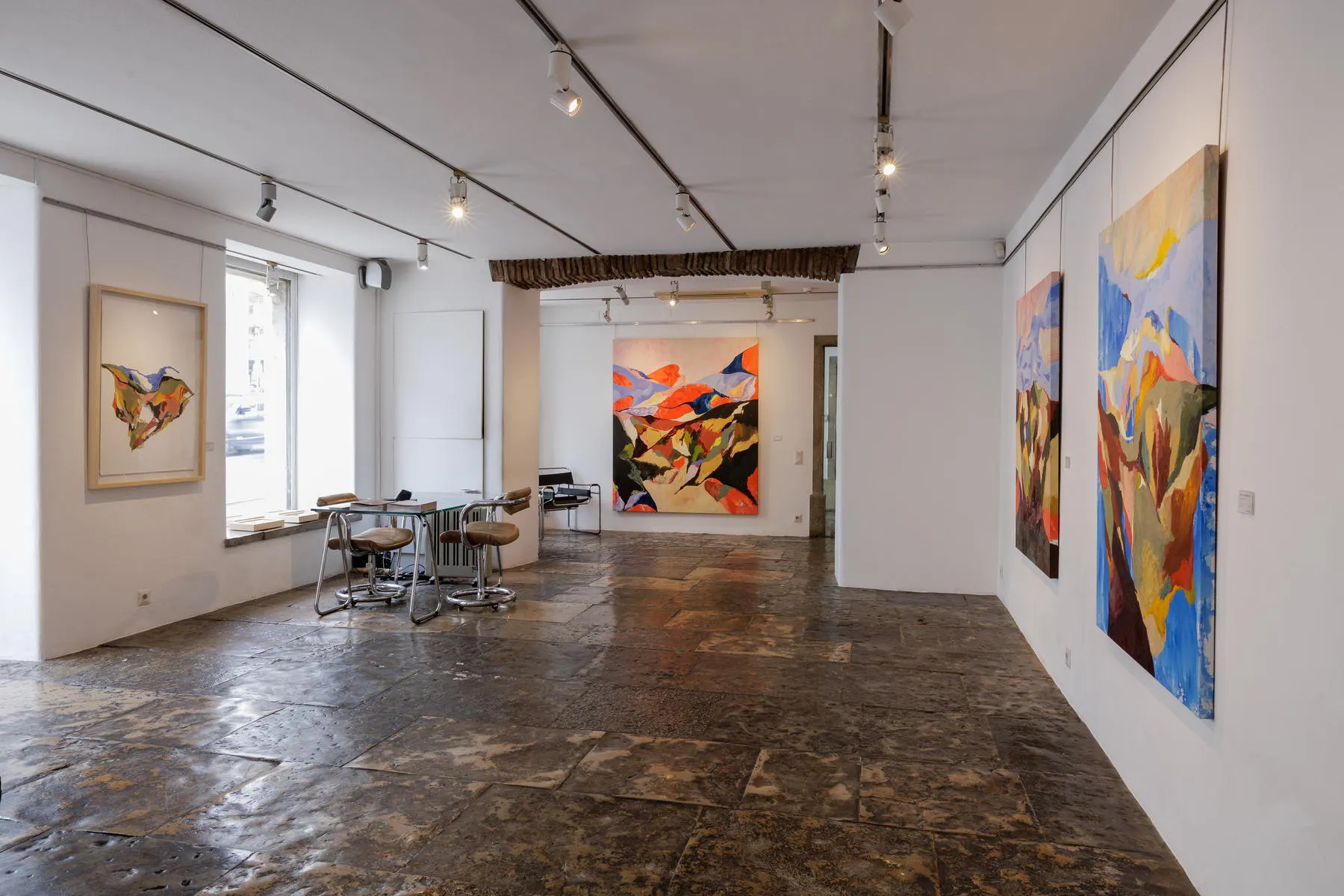
Great are the deserts, and everything is desert, wrote the poet. The same poet who called himself a feigner and who, as far as we know, never once visited a desert, but whose imagination made him a witness to every landscape, real or imagined, since to travel it is enough to exist, as we read in The Book of Disquiet.
Countless artists have created, and continue to create, from the idea of the desert. The desert offers itself as an inviting metaphor for the blank page, for the clean restart, for a new attempt without a past. The desert is also the lack of company, the extraordinary circumstance in which the artist has no comparison or genealogy, only distance.
In truth, any landscape can be a desert: one need only ostensibly subtract the people from it - think of the cities of Skapinakis or de Chirico - or any reminder of human presence, physical or emotional. The desert thus becomes the absence of us and of our own. The negative of presence.
When we speak, desert is a synonym for everything that is vast, empty or devoid of life, becoming a commonplace of our speech, perhaps more useful for everyday understanding than as a geological concept.
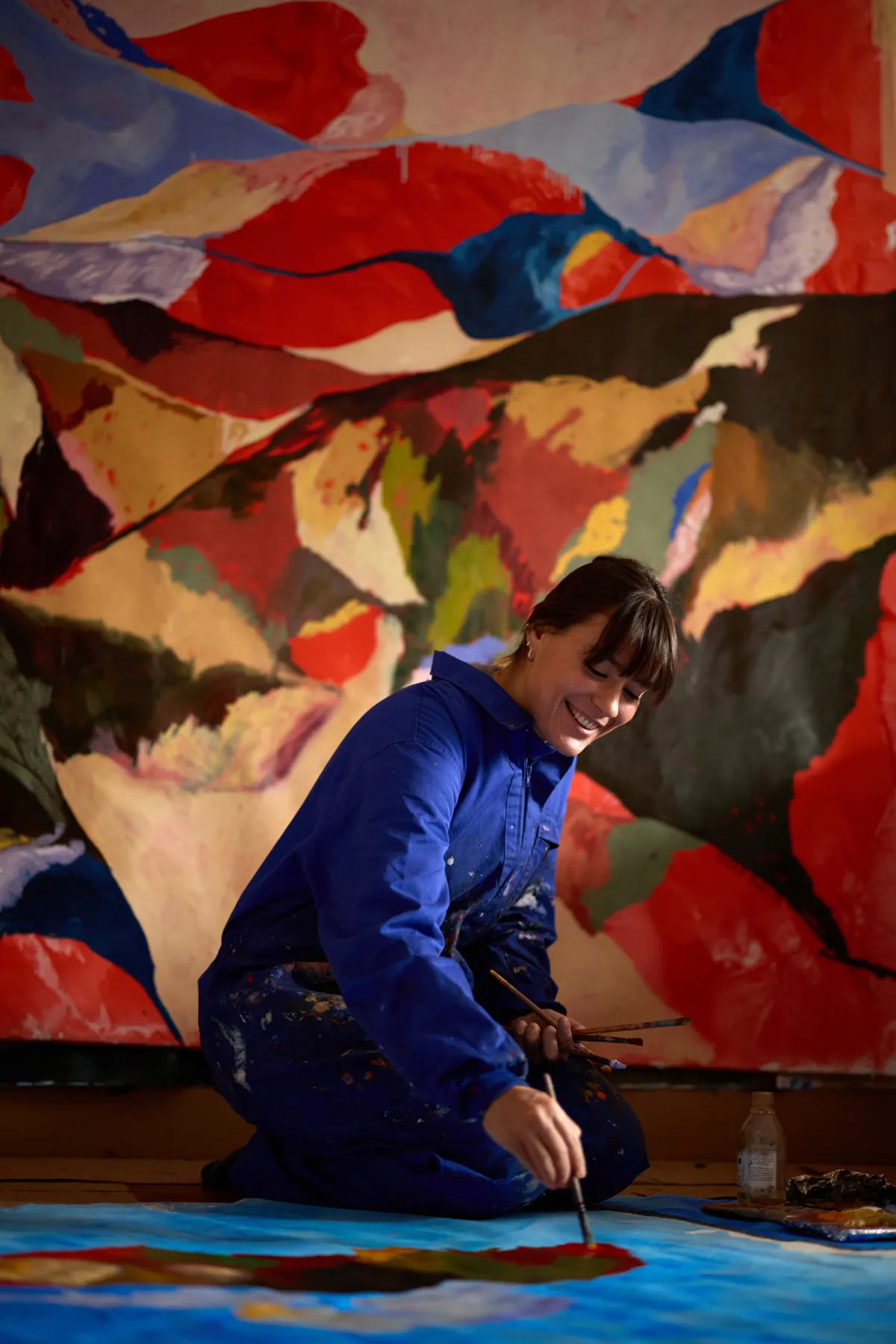
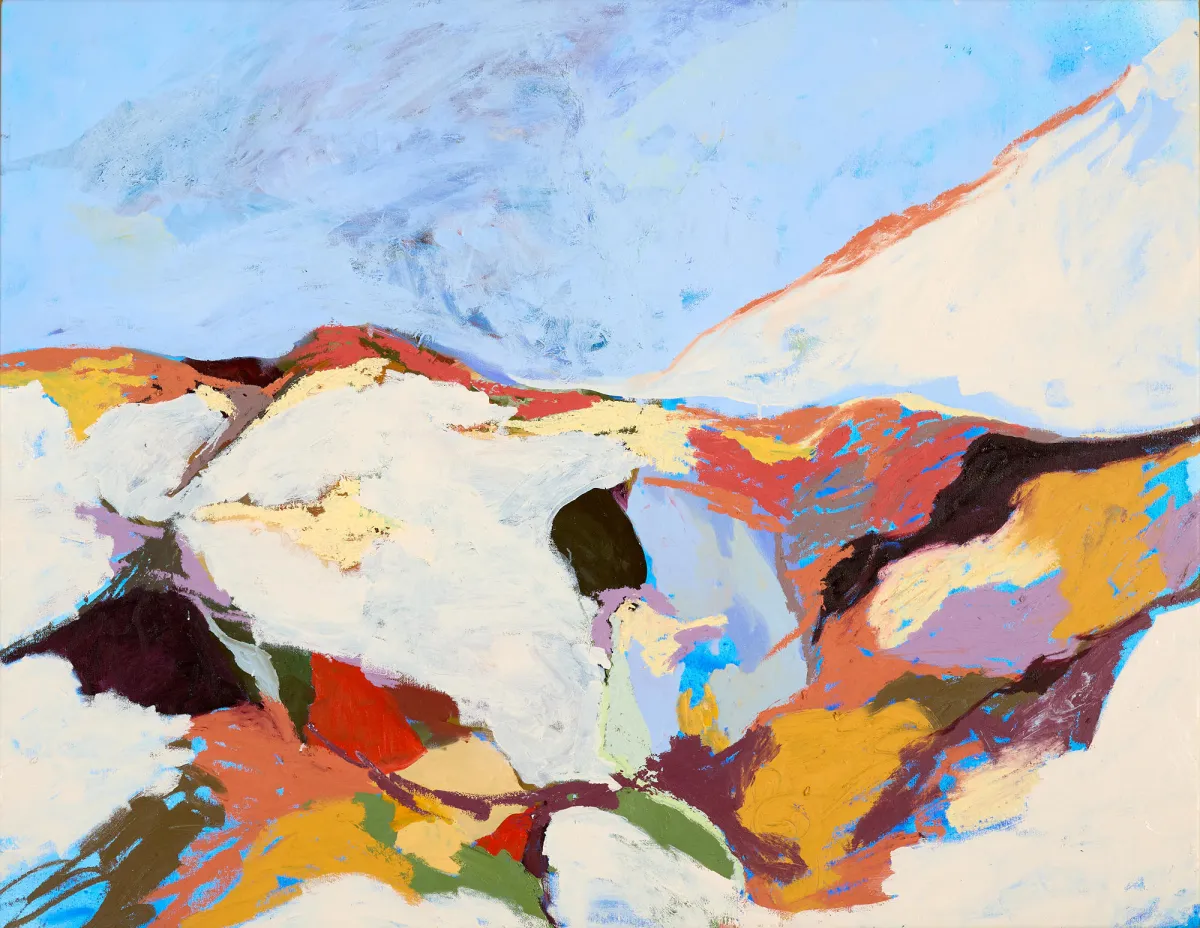
The fact is that no two deserts are alike and no desert landscape repeats itself. There are cold ones and hot ones, arid ones and humid ones, flat ones and rugged ones. Some even say that the sea is like a great aquatic desert. There are ancient deserts, of incalculable age, and recent ones, forming right now. There are those that are white with snow and those that are white with salt, just as there are those that take on the colour of the earth. There are even deserts that bloom, as in Chile, and others that yield ore, as in Australia, where Carlota Roque Martins spent a period of her life absorbing landscapes and lessons, but also tasting the flavour of measureless distance, of absurd, unchanging time, of collective and individual solitude.
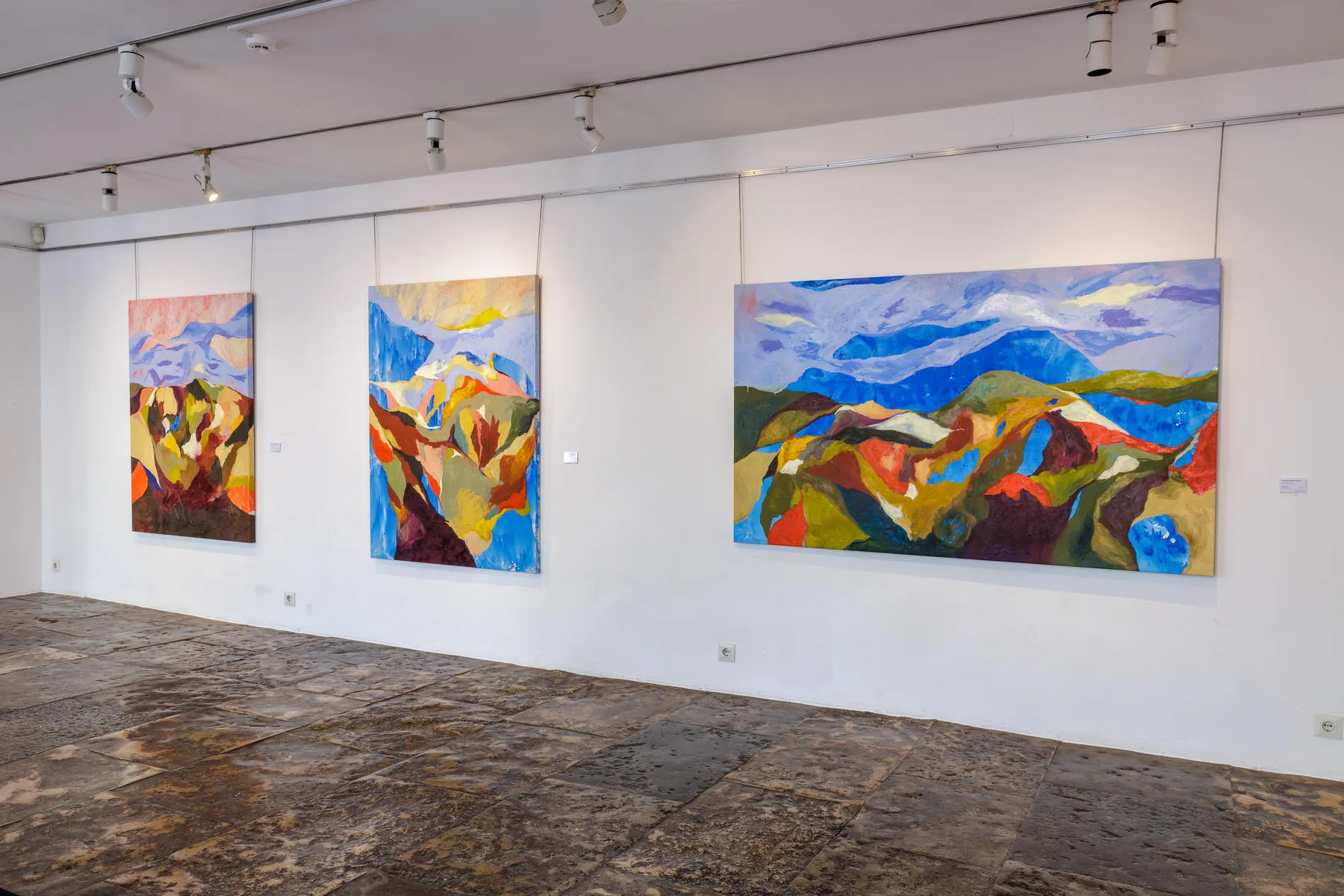
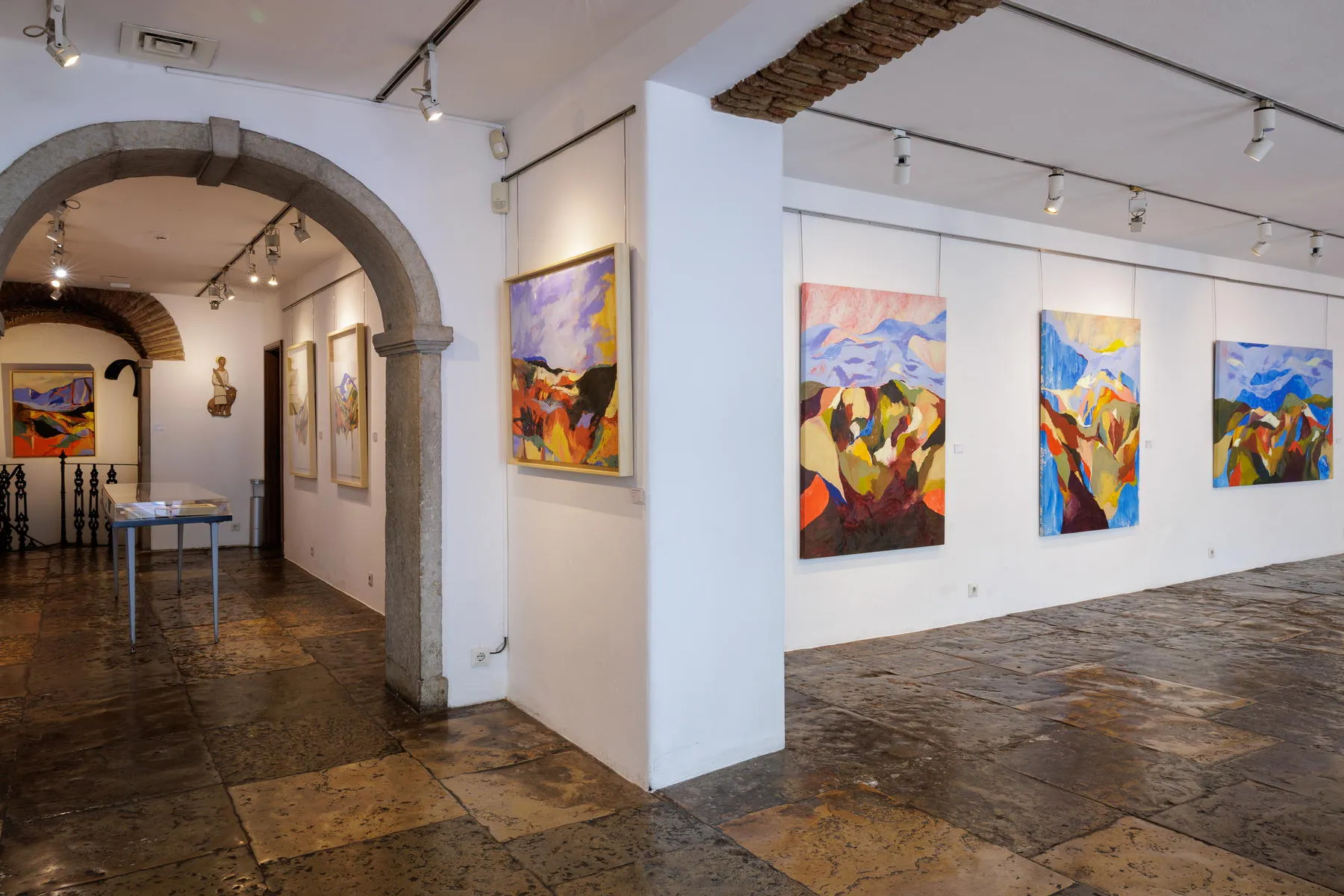
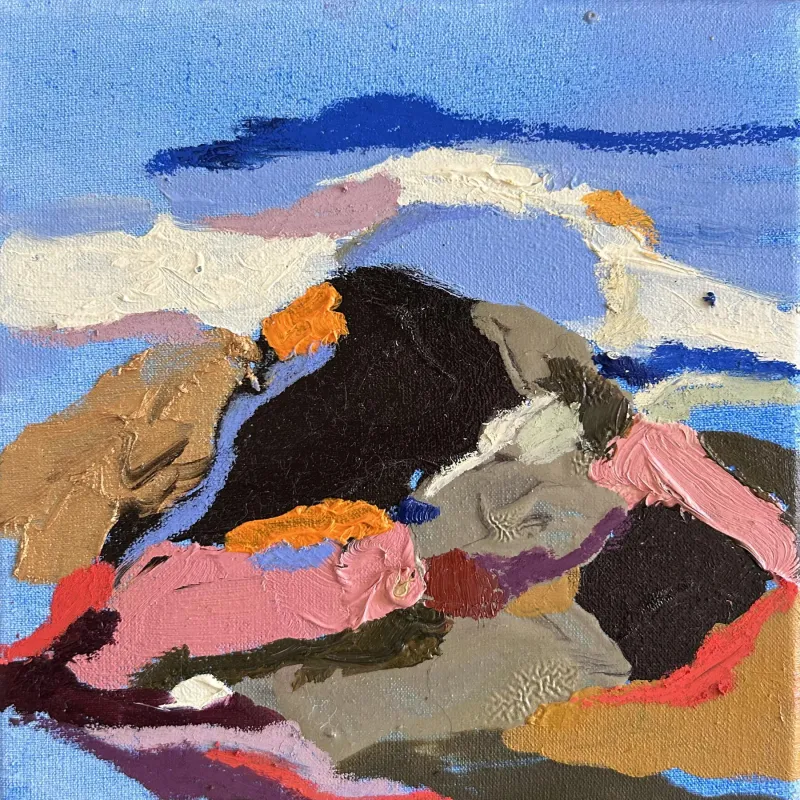
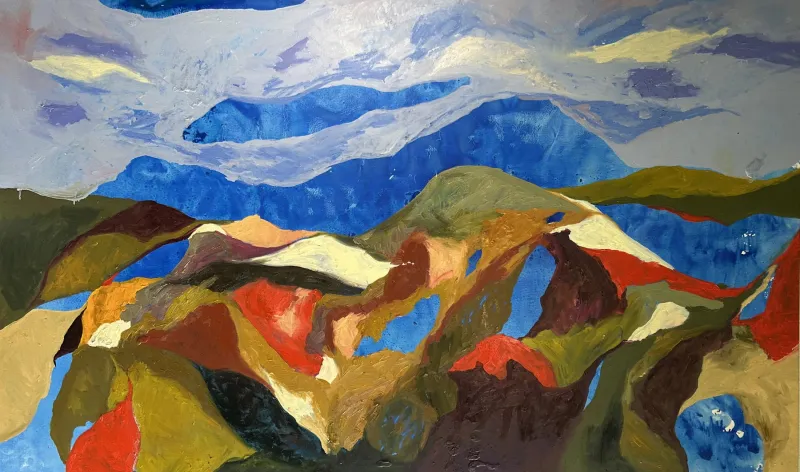
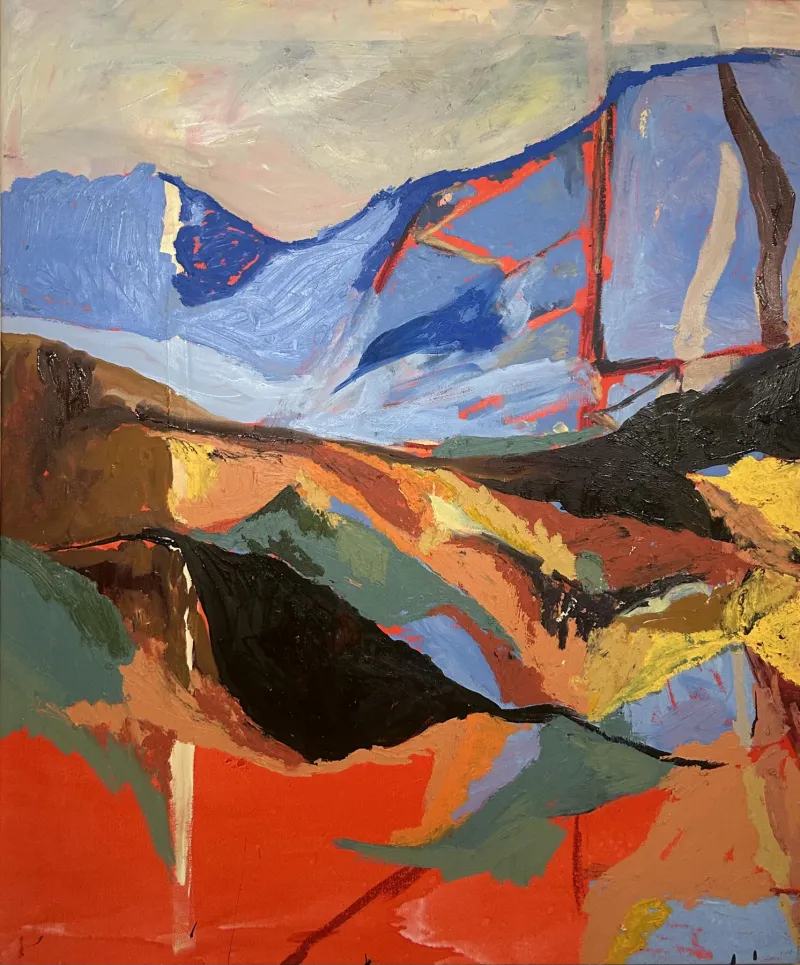
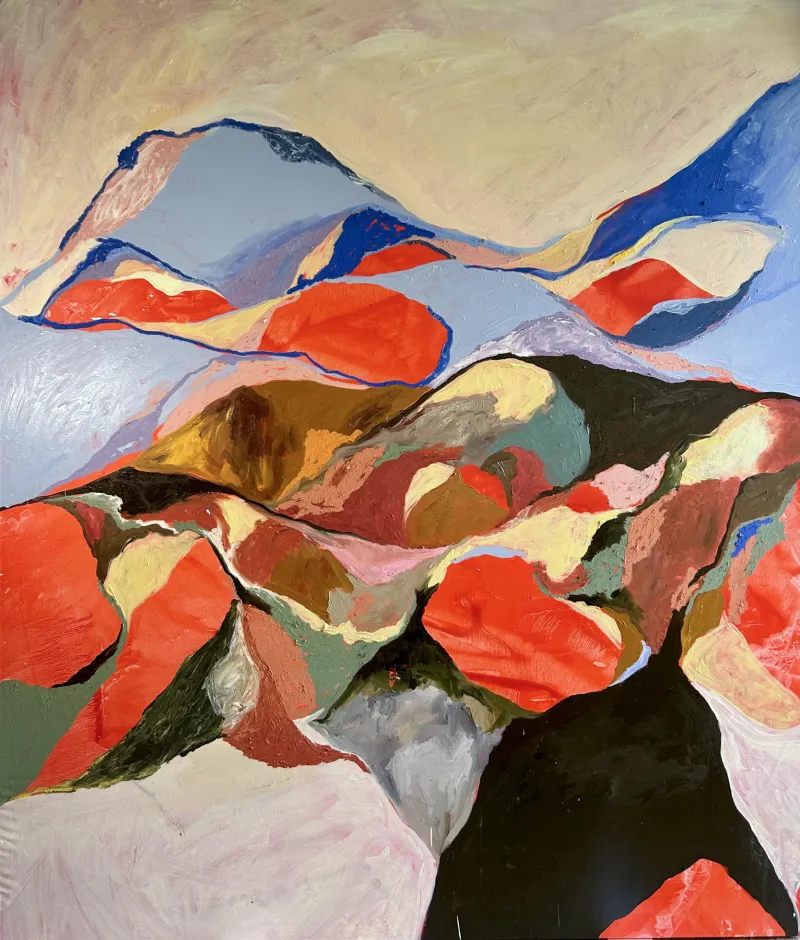
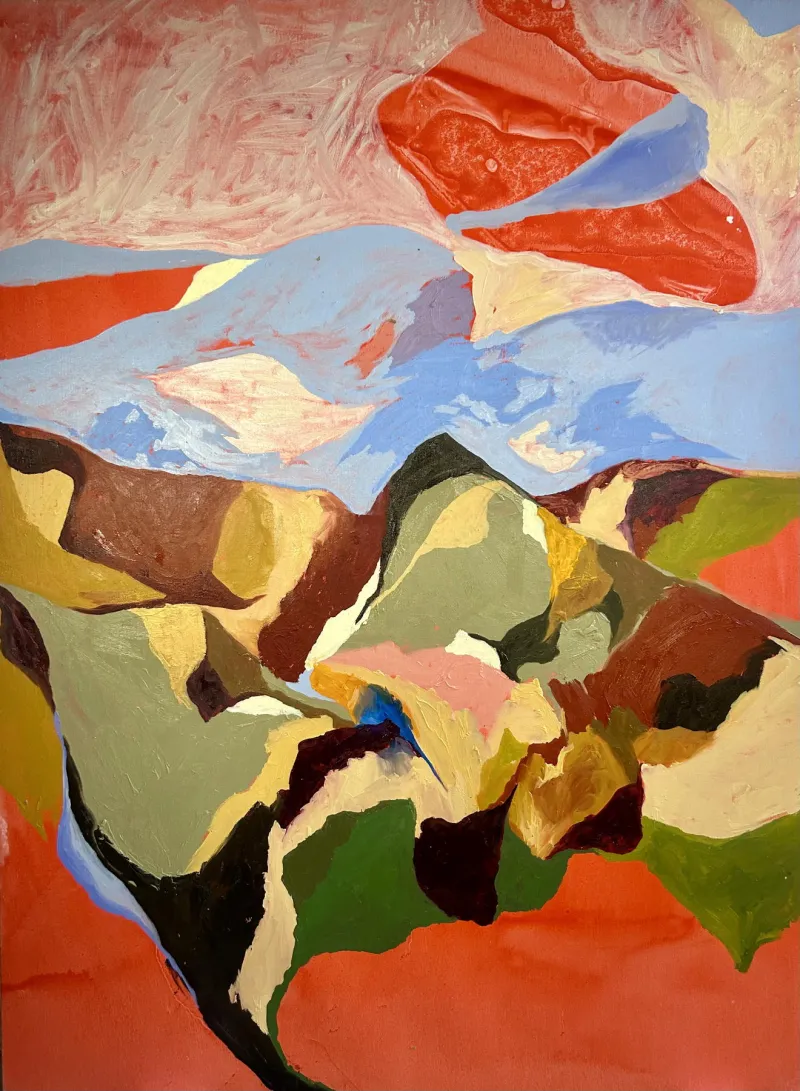
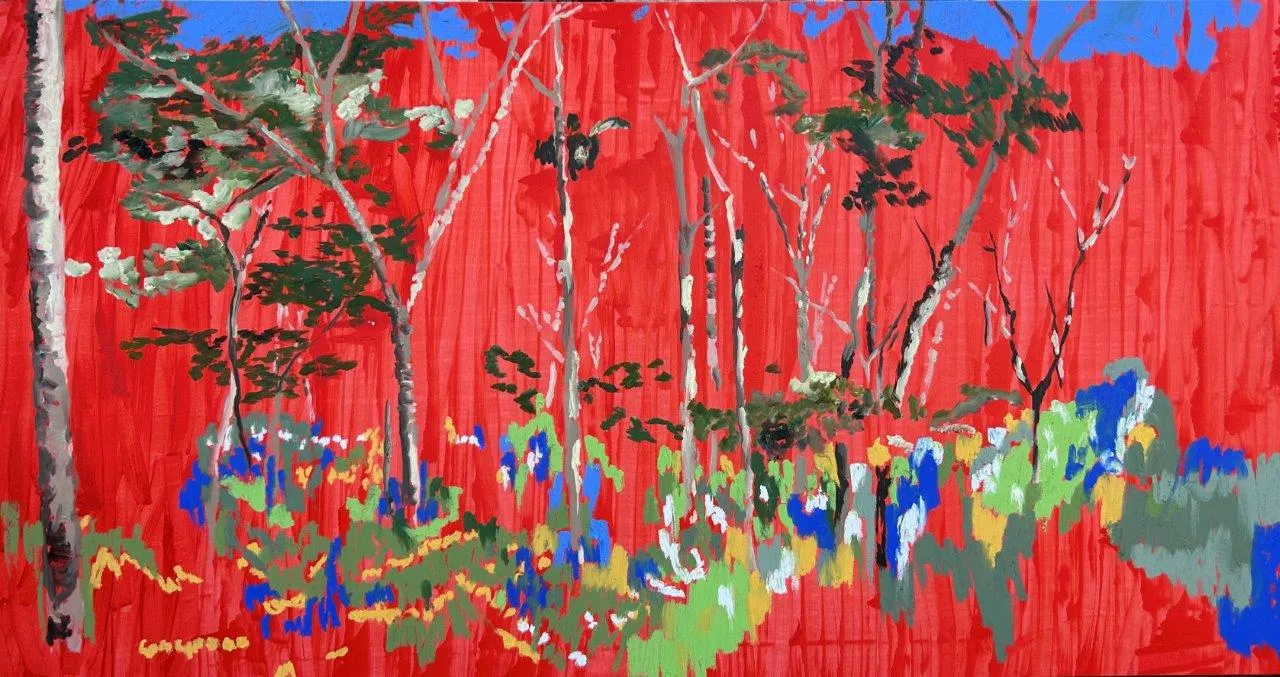
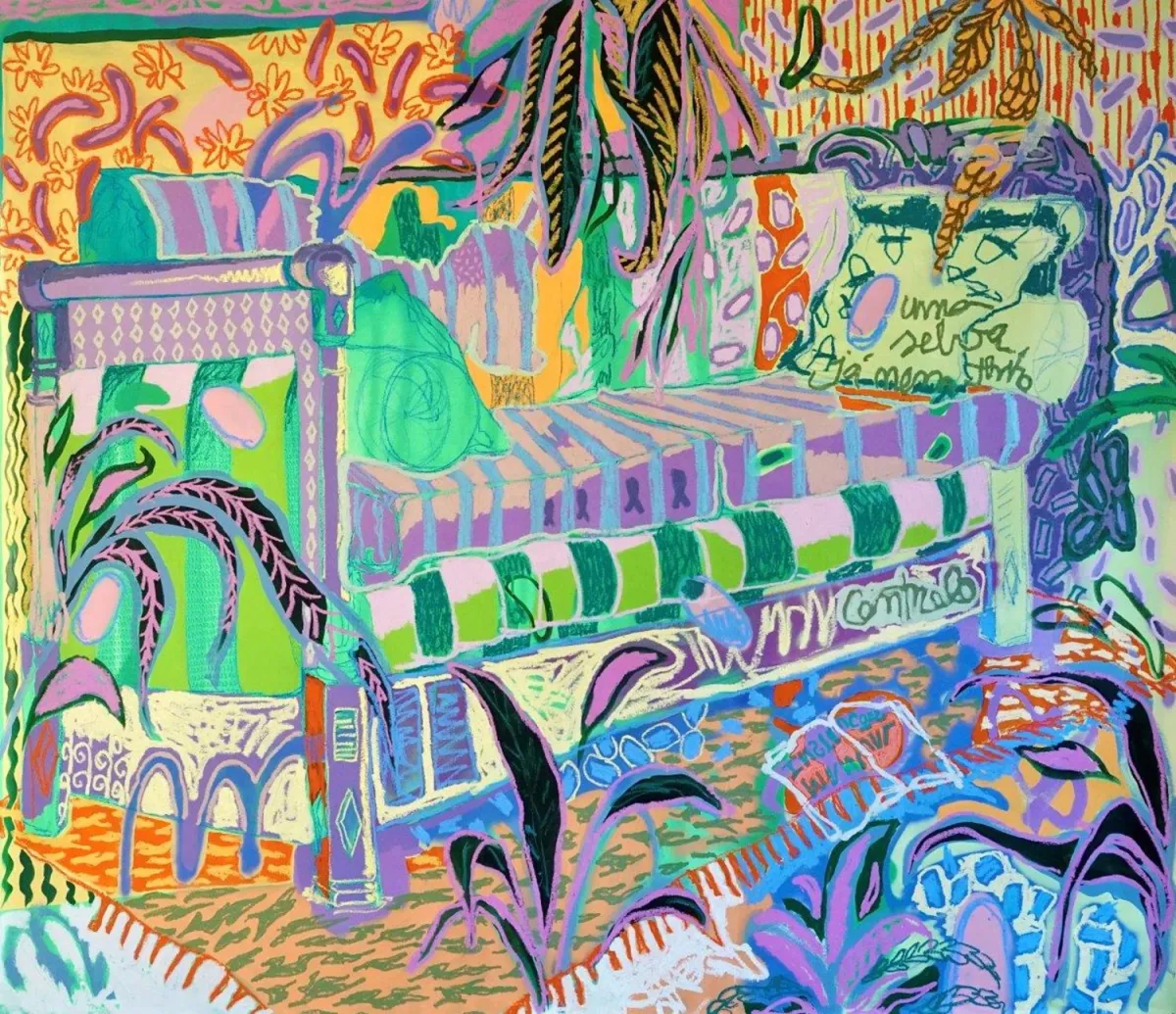
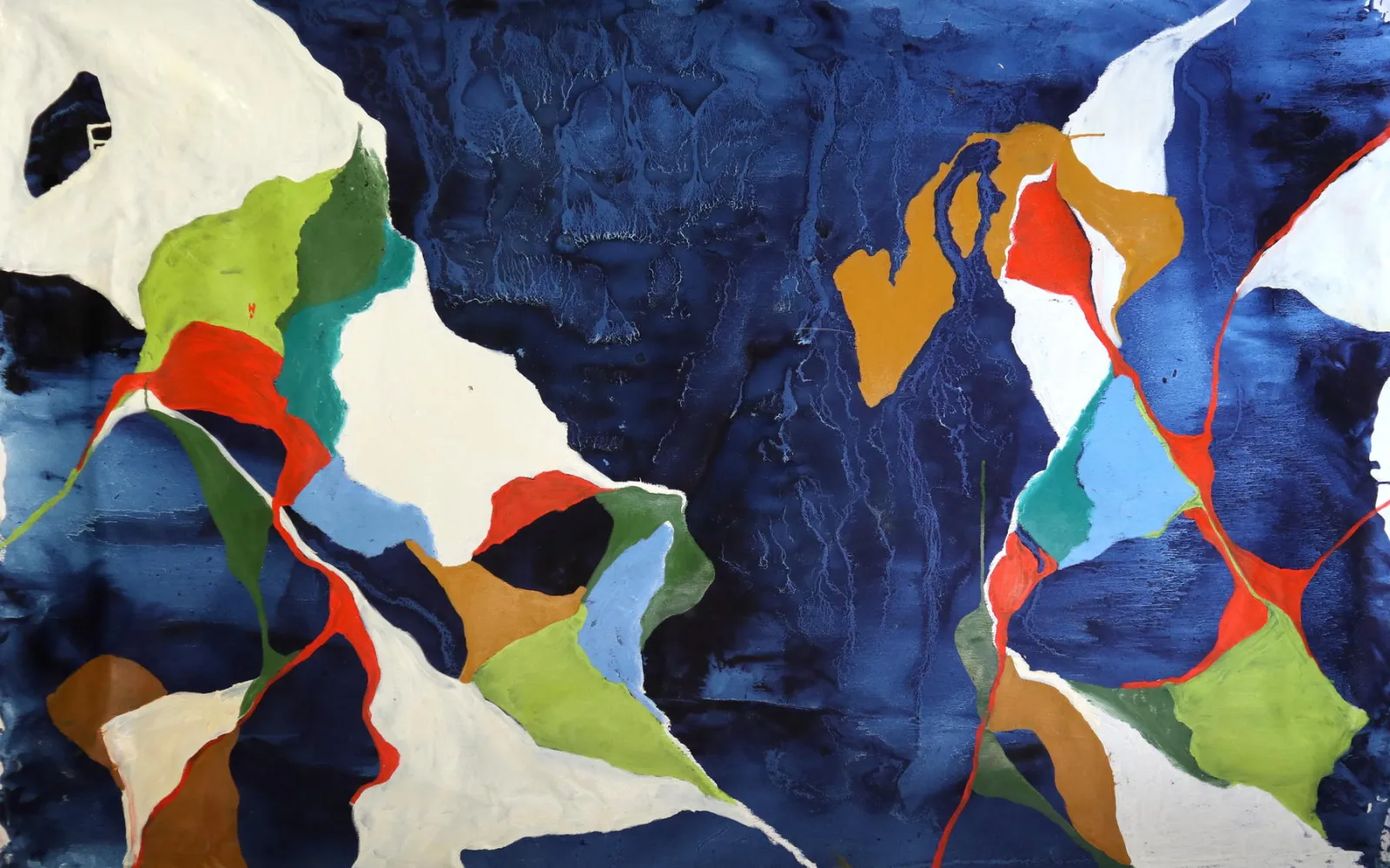
With so many possible deserts, real and imaginary, which one, after all, has the painter poured into her work? Beyond the contagious pull of deserts, everything suggests that the works in this exhibition are the result of an extraordinary collision between memories, sensations, images, dreams and even the inexplicable will of the hand itself, so often indifferent to the artist's intentions.
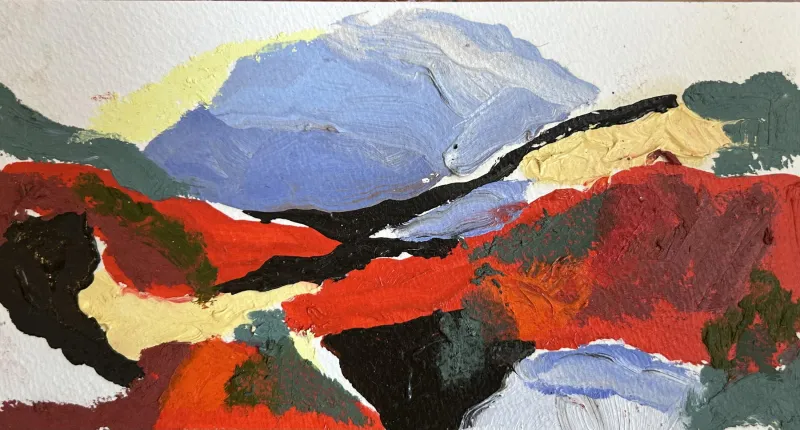
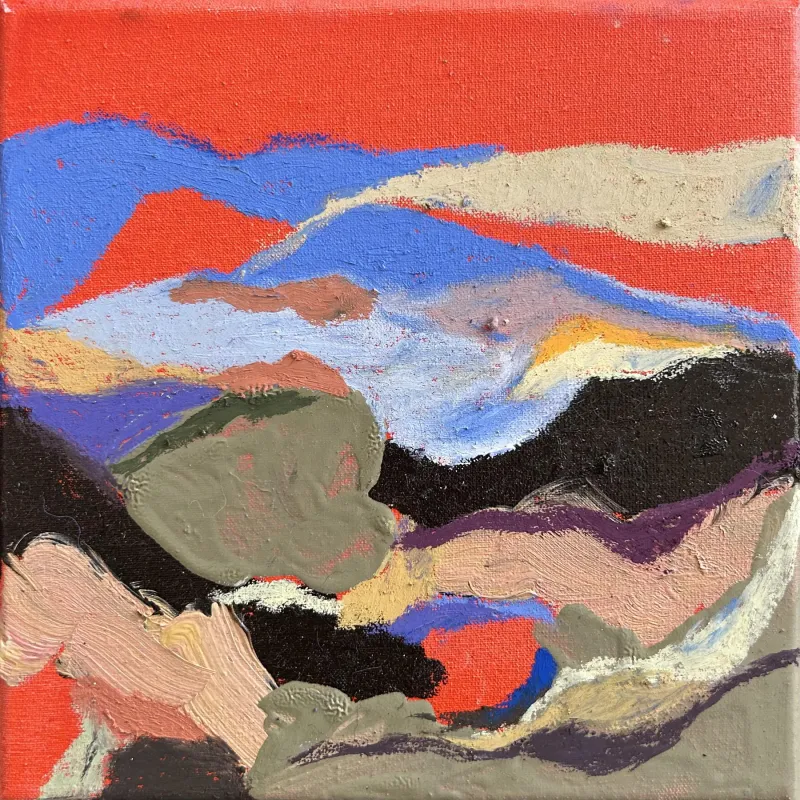
It is impossible not to notice how there seems to be, among all these colours and forms, a single human sign, a reminder of the southern mines - any good observer will find it - but also a vigorous life that spills over into the painting itself, as if the artist wanted to show us the desert as the antithesis of the arid, desolate cliché: the desert as an arena of ideas, the desert as energy and vibration.
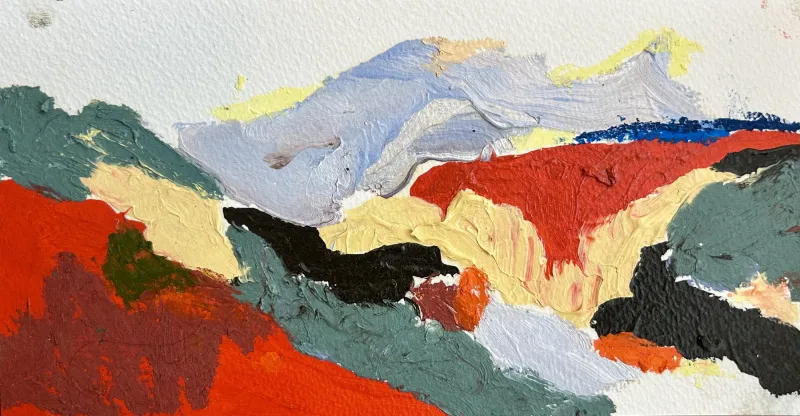
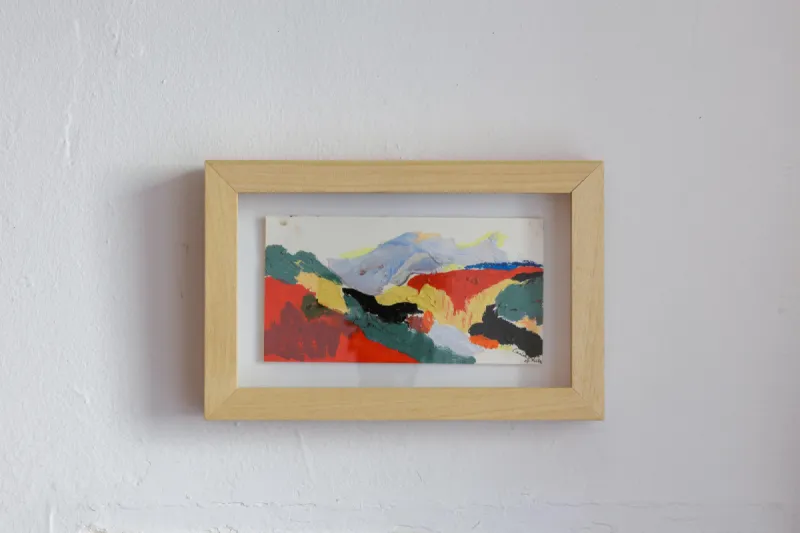
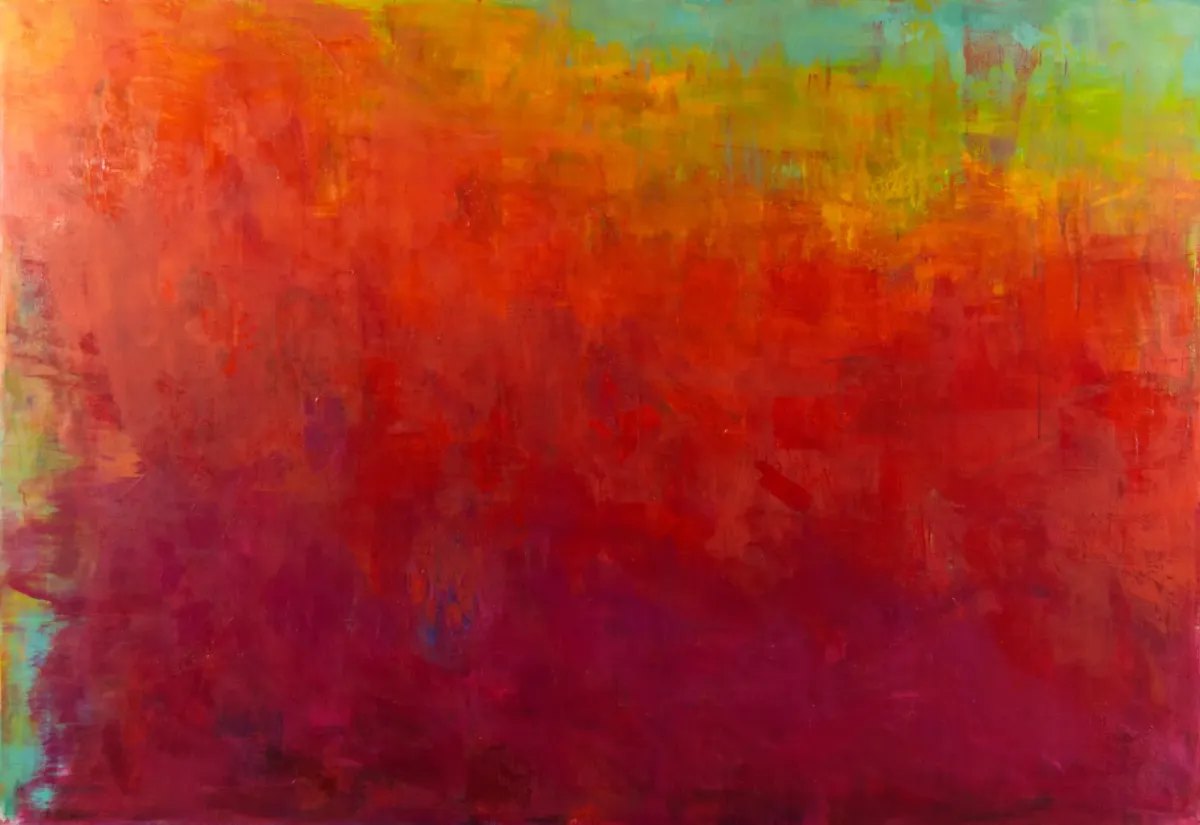
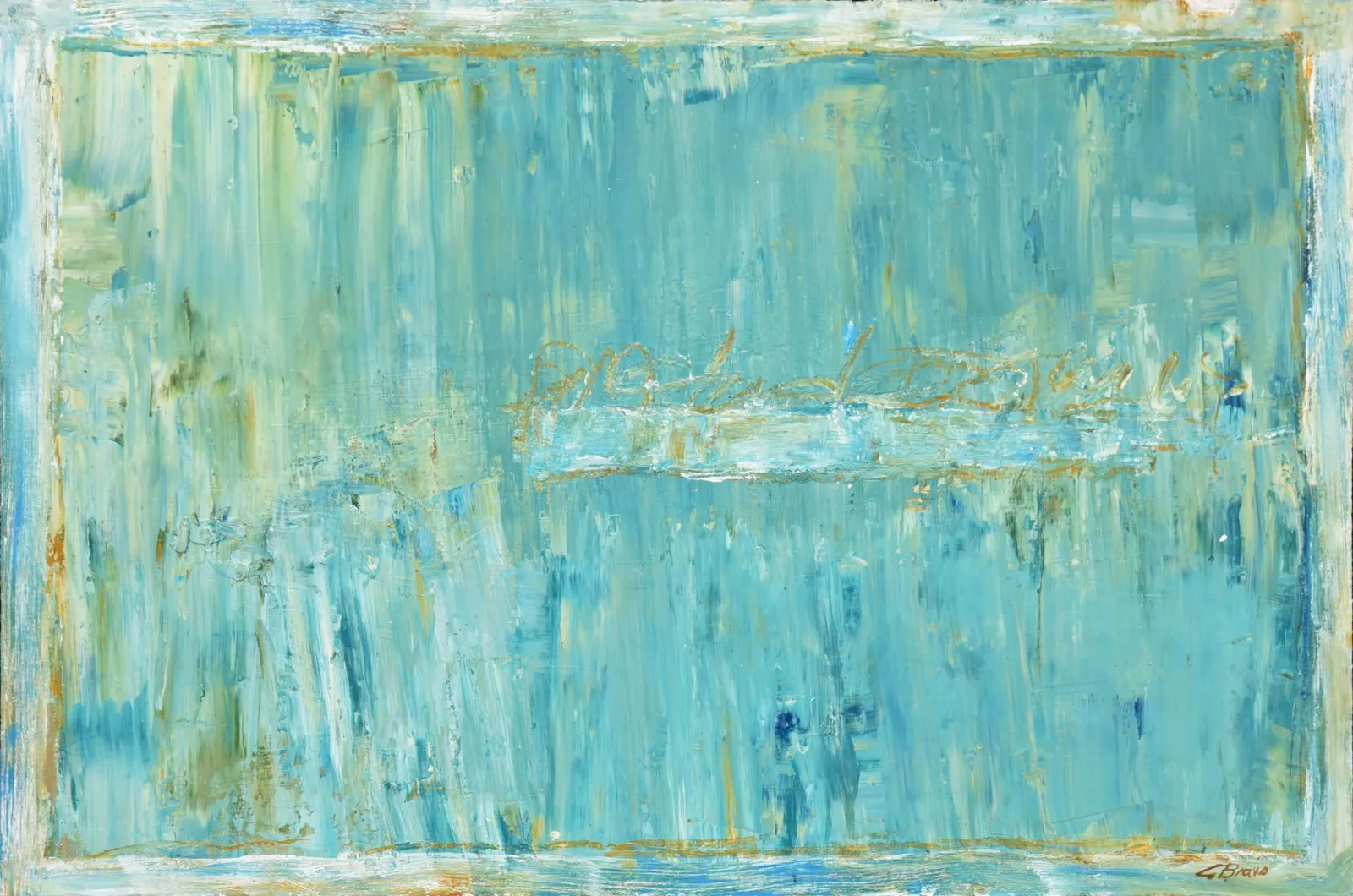
Carlota Roque Martins's deserts are the emotions that alternate between garish, convulsive topographies and soft, nostalgic skies, just like the forms, which at times take on a dreamlike volume and at others are the realistic outline of the horizon.
Tudo é deserto is surely the result of many things in the painter's life and intentions but, for those of us who look at her work, it is first and foremost the pure, intoxicating exercise of a painting that is alive and free.
Martim Sousa Tavares